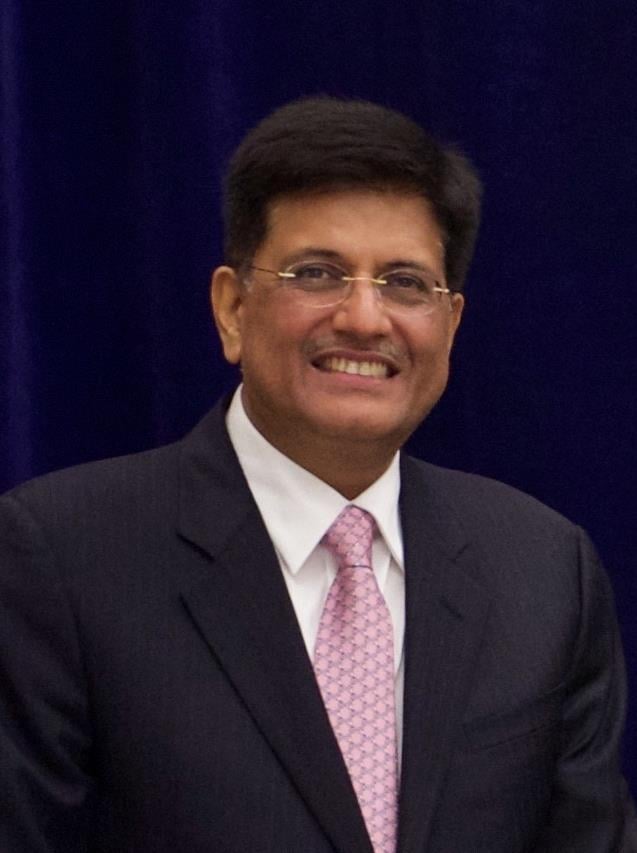

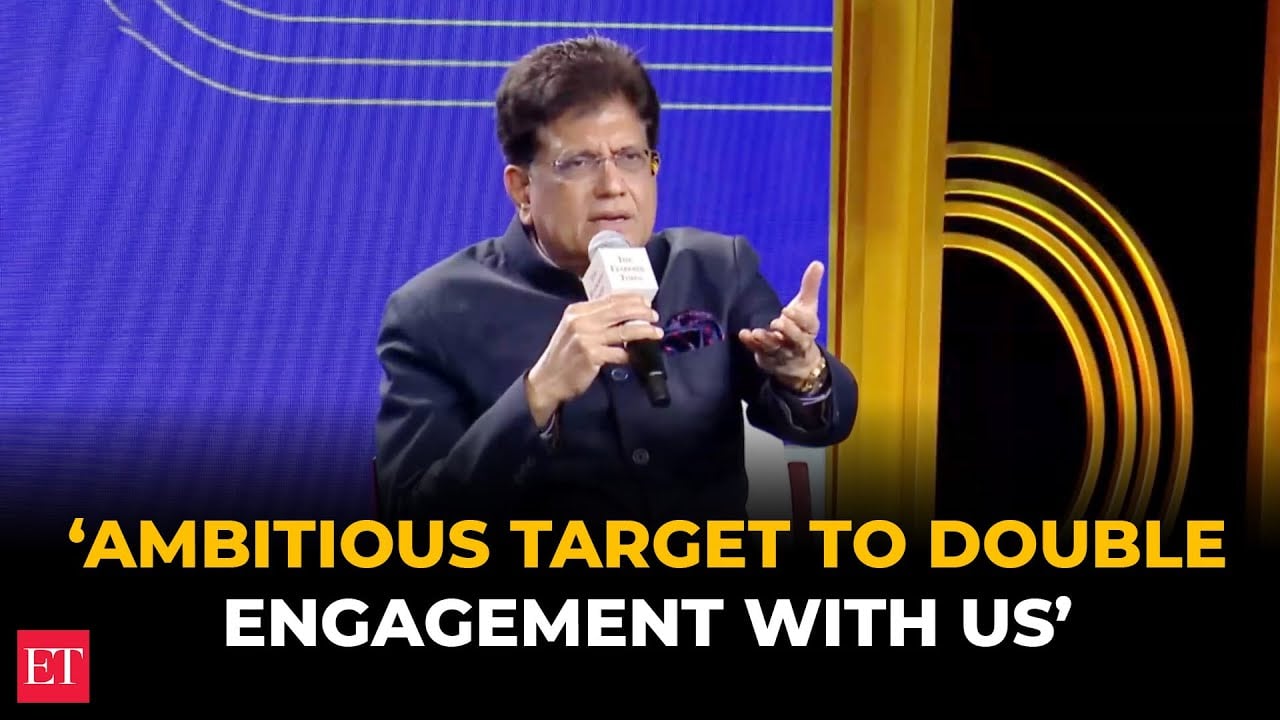
LONDON – The agreement exists. Both governments know what it says. Commerce Minister Piyush Goyal, speaking Thursday at the India Global Forum’s UK-India Week 2026 conference in London, confirmed that India and the United States have effectively concluded their trade deal negotiations. What does not exist yet is the single mechanism in American trade law that would give India a binding tariff advantage over the manufacturing economies competing against it. Without that mechanism, the deal stays closed.
The condition Goyal described is more specific than it sounds. Under the interim agreement reached on February 6, Washington agreed to reduce taxes on Indian exports from 25 percent to 18 percent. That figure made sense only against a relative backdrop: if competing economies in Vietnam, Thailand, the Philippines, Malaysia, Bangladesh, and Sri Lanka paid more to access the American market, India’s manufacturers would gain a genuine competitive edge in textiles, pharmaceuticals, and engineering goods. The 18 percent rate was never a win in isolation; it was a win because of what the neighbours would pay. Goyal framed the impasse to Reuters in one sentence: “The day the US finds appropriate tools to give us a competitive advantage, the deal is on.”
The structural problem is that the current American tariff architecture does not guarantee that differential. Washington’s baseline tariff of 10 percent on all trading partners, set to expire on July 24, applies indiscriminately across the economies India is competing against. A separate Section 301 investigation, triggered by allegations of forced-labour links in Indian supply chains, has proposed a 12.5 percent rate on Indian imports. Trade economists say that figure would compress the competitive gap so narrow that it would not meaningfully redirect supply chains from Bangkok or Dhaka to Mumbai or Surat.
Goyal was describing not a negotiating position but an engineering problem. For Washington to give India a legal tariff advantage over specific competing countries, it would need to treat India differently from those countries inside a framework that either squares with World Trade Organization most-favoured-nation rules or accepts the legal vulnerability of departing from them. That tool does not currently exist in US trade law. “We cannot enter a deal with the US until the framework of having a comparative advantage is finalised,” Goyal added at the conference, where he was addressing global business and investment leaders.
The meetings that preceded his London remarks established how close both sides believe they are without yet reaching the finish line. US Trade Representative Jamieson Greer concluded a two-day visit to New Delhi on June 25, meeting Finance Minister Nirmala Sitharaman on June 23 and Goyal the following day to review progress on the interim pact, covering rules of origin provisions, investment guarantees, and sector-specific cooperation. Both sides described the talks as productive. Neither side announced that the legal condition was resolved.
The London statement and the New Delhi meetings form the third formal round of talks since the February 7 joint statement in which both governments announced the interim pact’s framework. That announcement was widely read as signalling imminent closure; four months later, the deal is described by Goyal himself as “very close” and simultaneously held up by a condition the American side cannot yet satisfy with a legal instrument.
The expiry of the 10 percent baseline tariff on July 24 narrows the options significantly. Once that window closes, the tariff schedule reverts to a set of bilateral rates that carry higher political stakes for both governments. Washington is running parallel negotiations with Vietnam, Indonesia, and Thailand under pressure from the same calendar, at a moment when broader US monetary tightening and dollar strength are already reshaping Asian export economics. The outcome of those parallel talks will determine whether India’s demand for legal distinction is a practical ask or a structural impossibility: if the US offers comparable treatment to multiple Asian economies simultaneously, the case for an India-specific advantage becomes harder to construct without triggering the WTO obligations both sides are working to avoid.
What India is asking for is not a lower rate. It is a guarantee that its rate is lower than everyone else’s. That distinction matters enormously in the manufacturing supply chains that drive both countries’ interest in signing a deal at all. A company choosing between Vietnam and India does not turn its decision on 18 percent versus 25 percent in absolute terms; it turns the decision on 18 percent versus whatever Vietnam pays. That gap, and who controls it, is the question the United States has not answered.
Goyal left London without announcing a resolution. The legal architecture under examination involves a combination of preferential rules of origin, import quotas, and sector-specific safeguards that could achieve the functional equivalent of a tariff advantage without formally departing from most-favoured-nation obligations. Whether that approach is viable, and whether it can be agreed before July 24, is the question that remains unanswered.
What the Commerce Minister made clear on Thursday, speaking to an audience of investors and executives who would prefer a signed agreement to a pending one, is that India is not asking for more than it was promised in February. It is waiting for the legal instrument that makes the agreed deal mean what both sides intended it to mean, Times of India reported.