
NEW DELHI — Indian exporters got an eight-point tariff cut this week, and it had nothing to do with anything India’s own negotiators did. The Supreme Court did it for them.
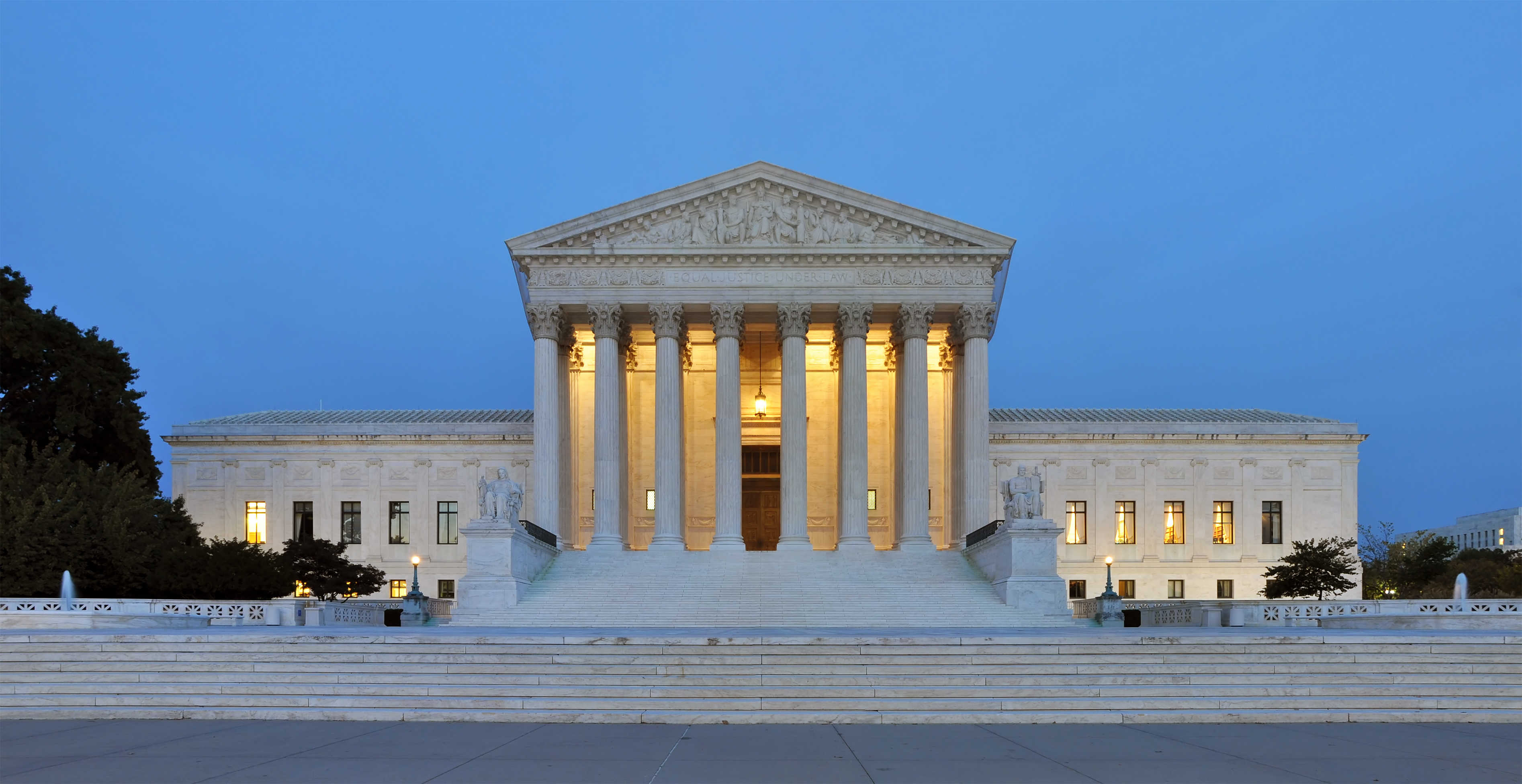
The White House confirmed that goods imported from India will face a temporary 10 percent tariff, down from the 18 percent rate that had been negotiated as part of the framework for an interim US-India trade agreement. The change is not a concession to New Delhi. It is the fallout from Learning Resources, Inc. v. Trump, a 6-3 Supreme Court ruling handed down February 20 and written by Chief Justice John Roberts, which found President Trump exceeded his authority when he imposed sweeping global tariffs under the International Emergency Economic Powers Act.
With IEEPA foreclosed as a legal foundation, the administration pivoted to a narrower and older statute. Trump signed a proclamation titled “Imposing a Temporary Import Surcharge to Address Fundamental International Payments Problems,” invoking Section 122 of the Trade Act of 1974, a provision built for balance-of-payments emergencies rather than the trade-leverage campaign IEEPA had been repurposed for. Section 122 authorizes a surcharge of up to 15 percent for a maximum of 150 days without congressional approval. The White House set the rate at 10 percent, applied broadly rather than calibrated country by country, which is why India’s rate fell even though nothing about the underlying US-India negotiation actually moved.
Certain categories are carved out of the surcharge entirely: critical minerals, energy products, agricultural goods, pharmaceuticals, electronics, and vehicles, sectors the White House fact sheet described as necessary either for economic resilience or for the surcharge to function as intended. What remains is a blunt, temporary, across-the-board instrument standing in for the more targeted tariff architecture the Supreme Court just declared illegal.
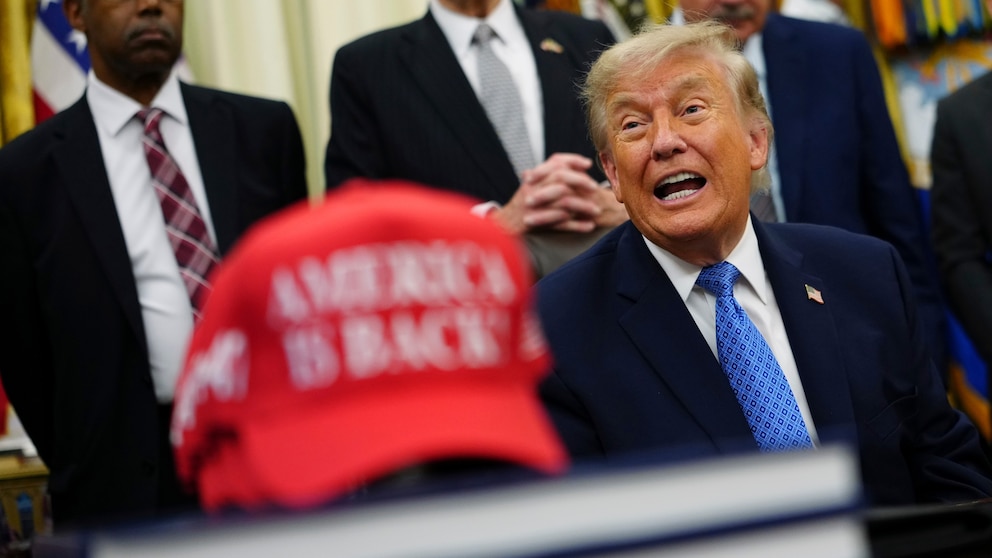
Trump’s own framing of the change managed to be both dismissive and contradictory in the same breath. “Nothing changes” in the trade relationship, he said, before adding that India “was ripping us off” on trade for years, then pivoting to call Prime Minister Modi “a great gentleman.” The White House was more precise than the president: officials clarified that the 10 percent rate replaces the IEEPA duties rather than stacking on top of them, meaning India’s effective tariff burden is genuinely lower for as long as the 150-day window lasts, not merely re-labeled.
India’s Ministry of External Affairs did not treat the change as a diplomatic opening. Spokesperson Randhir Jaiswal said only that both countries are “working to finalize the mutually beneficial trade agreement,” and that an Indian delegation led by the country’s chief trade negotiator would travel to Washington the following week. The muted response reflects a government that has learned, across two years of tariff whiplash, not to treat any Trump-era number as durable until it survives more than one news cycle.
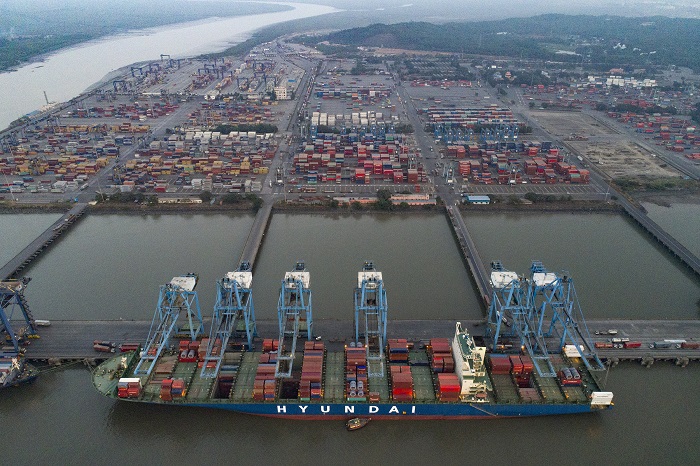
The Section 122 surcharge is not the only tariff action bearing on India right now, and the two should not be confused. The USTR has separately proposed a 12.5% Section 301 tariff on India tied to unproven forced-labor allegations, with public comments closing July 6 and hearings the following day. That proposal, unlike the Section 122 surcharge, is additive and targeted specifically at India rather than applied as part of a global measure. Commerce Minister Piyush Goyal has already dismissed that threat as likely to hand India a competitive edge rather than a burden. The 10 percent Section 122 rate announced this week runs on an entirely separate legal and political track from that forced-labor case, and nothing about this week’s news resolves it.
What the 150-day cap actually guarantees is not relief but uncertainty with an expiration date. Section 122 was written as a stopgap statute, not a durable trade policy, and Congress retains the power to disapprove the surcharge before that window closes if it chooses to act, though nothing in the current political alignment suggests it will. Whether the administration extends the measure, replaces it with something else the courts have not yet struck down, or lets it lapse into a return of the higher negotiated rate is a decision that has not been made publicly, and may not be made until the 150 days are nearly spent.
For now, Indian exporters are paying less to sell into the American market than they were a week ago, a fact more attributable to nine unelected justices than to anything Goyal’s ministry negotiated. Whether that arithmetic holds past the fall is the question New Delhi’s delegation will be asking in Washington next week, without much confidence that anyone on the other side of the table has a firm answer.