
BENGALURU — Somewhere in one of Manipal’s 49 hospitals right now, a patient is being wheeled into an operating theater with no idea that the value of the bed they are lying in is about to become a subject of public debate. By the end of July, if the timeline holds, it will be.
Manipal Health Enterprises has received approval from the Securities and Exchange Board of India to proceed with an initial public offering targeting roughly Rs 8,000 crore, about $1 billion, through a combination of fresh shares and an offer for sale from existing investors including Temasek, the Singaporean state investment firm that has backed the chain for years. The company is targeting a valuation between $10 billion and $13 billion, a range that will be tested, not confirmed, once institutional investors actually start placing orders.
The scale behind that valuation is real. Manipal operates 49 hospitals across more than 24 cities, with combined capacity exceeding 12,600 beds, treating approximately 70 lakh patients a year. For the fiscal year just closed, the company reported revenue of Rs 9,426.10 crore and net profit of Rs 1,143.66 crore, a margin that public-market investors will scrutinize closely against India’s other large listed hospital operators once the prospectus is finalized.
What the IPO actually tests is not whether Manipal runs hospitals well. Its patient volumes and profit margins already answer that question. What remains genuinely open is whether India’s hospital sector, which has drawn increasing private equity and sovereign wealth interest over the past five years, can sustain a valuation multiple in the public markets that reflects the growth story its backers have been pitching privately. Temasek’s decision to sell down part of its stake through the offer-for-sale component, rather than holding for a later exit, is itself a signal about how confident the fund is that this valuation window will still be open a year from now.
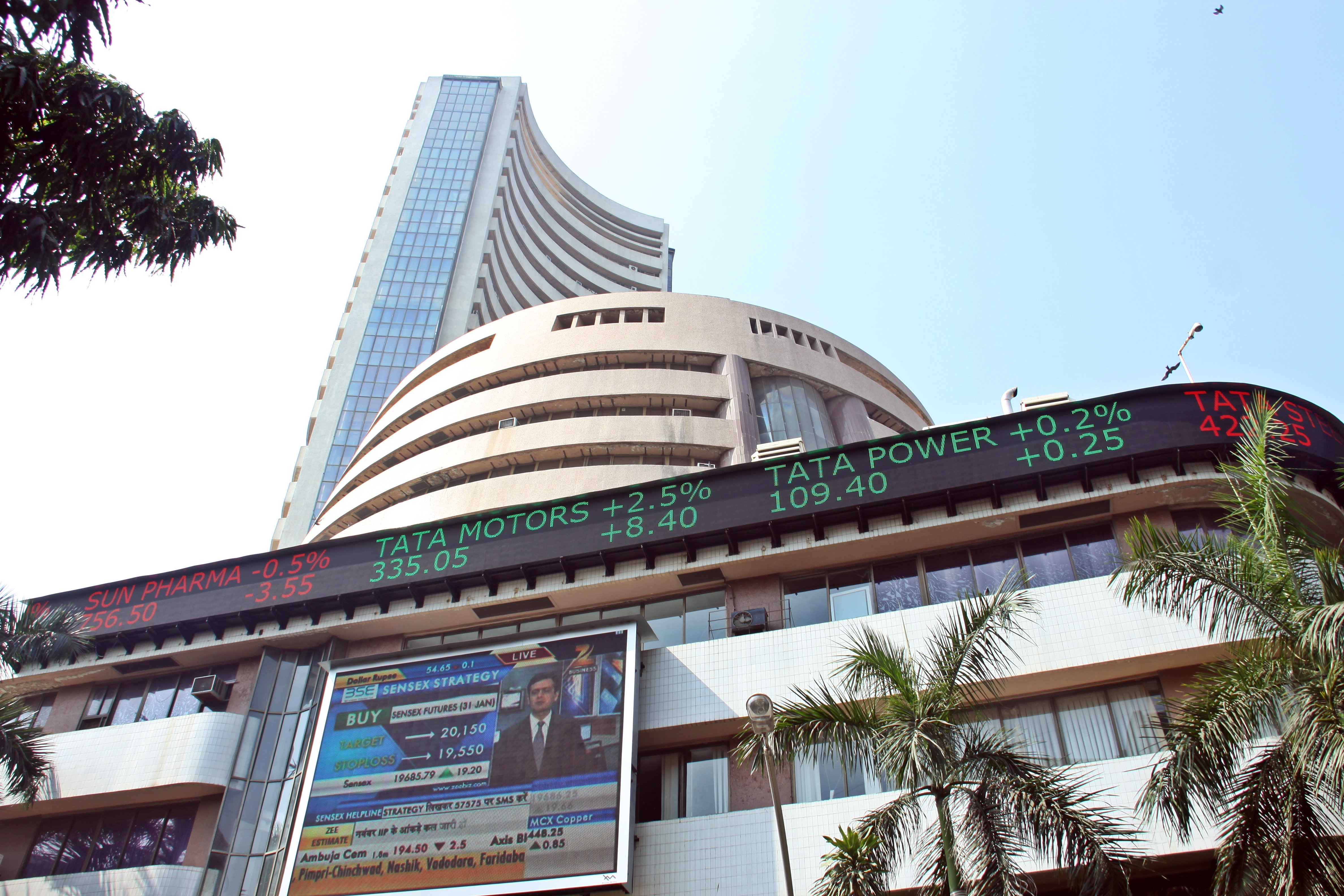
Seven investment banks are running the offering: Axis Capital, DBS Bank, Kotak Mahindra Capital, Goldman Sachs, Jefferies, JPMorgan, and UBS. That is an unusually large syndicate for an Indian healthcare listing, and it reflects both the size of the raise and the international investor base the company is trying to reach beyond India’s domestic mutual fund and insurance buyers who typically anchor large IPOs.
The listing is arriving inside a broader Indian IPO cycle that has grown considerably more ambitious this year. Investors have already been tracking a slate of major 2026 listings, and Manipal’s offering will share calendar space with two considerably larger issues: the National Stock Exchange’s own long-anticipated Rs 30,000 crore listing, and a Jio Platforms offering that could reach Rs 37,000 crore. A hospital chain, however large, competes for investor attention differently than a stock exchange operator or a telecom-and-digital conglomerate, and Manipal’s bankers will need the healthcare growth narrative to stand on its own merits rather than ride the coattails of bigger, more headline-grabbing offerings landing in the same window.
India’s hospital sector has been a magnet for this kind of capital precisely because the underlying demand story is not in dispute. An aging population, rising incomes, and a chronic shortage of quality tertiary care outside major metros have made large hospital networks one of the few consumer-facing healthcare bets that scales predictably. What public markets have not yet fully priced is how much of that growth story is already reflected in a $10-13 billion ask, and how much is aspiration that the IPO itself is being asked to validate.
Whether the listing prices at the top of its range, whether Temasek’s exit signals more sovereign wealth funds looking to monetize Indian healthcare bets this year, and whether the 12,600 beds behind the balance sheet actually justify the multiple being asked, none of that is settled by SEBI’s approval. That approval only means Manipal is now permitted to find out.
Related Posts