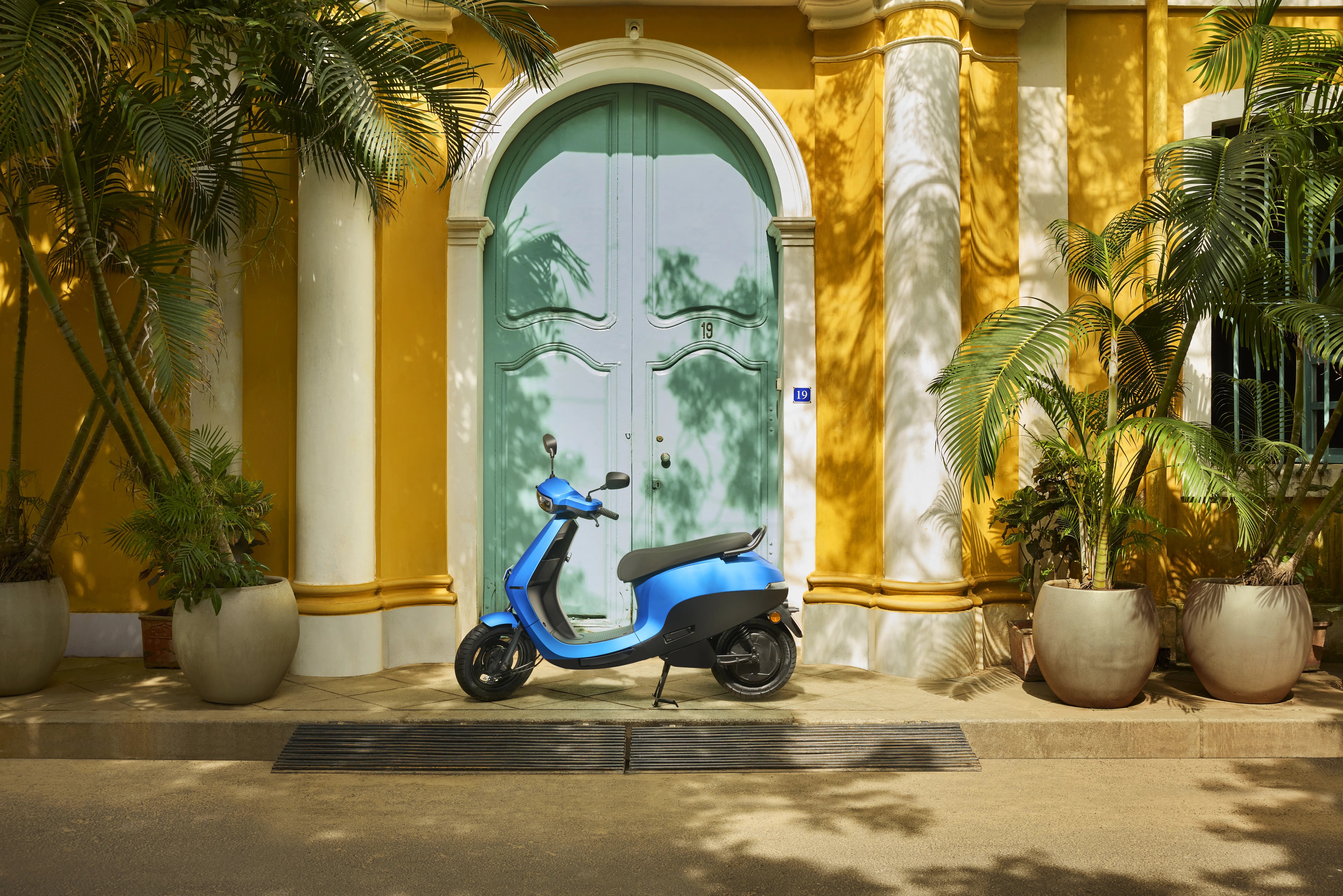

NEW DELHI — Ten percent is the number the global motorcycle industry had been watching. Not for its symbolic weight alone, but because it marks the threshold at which electric two-wheelers stop being a policy story, something mandated, subsidized, and nudged into existence, and become a market story. Something consumers are choosing at scale, with their own money.
In June, India crossed it.
The Federation of Automobile Dealers Associations reported this week that electric two-wheelers accounted for 10.60 percent of all two-wheeler retail in June, the first time in Indian automotive history that the segment has broken double digits. A year ago, the same figure was 7.34 percent. That kind of acceleration, sustained across more than one financial quarter, begins to look less like subsidy-driven pull-forward and more like structural change.
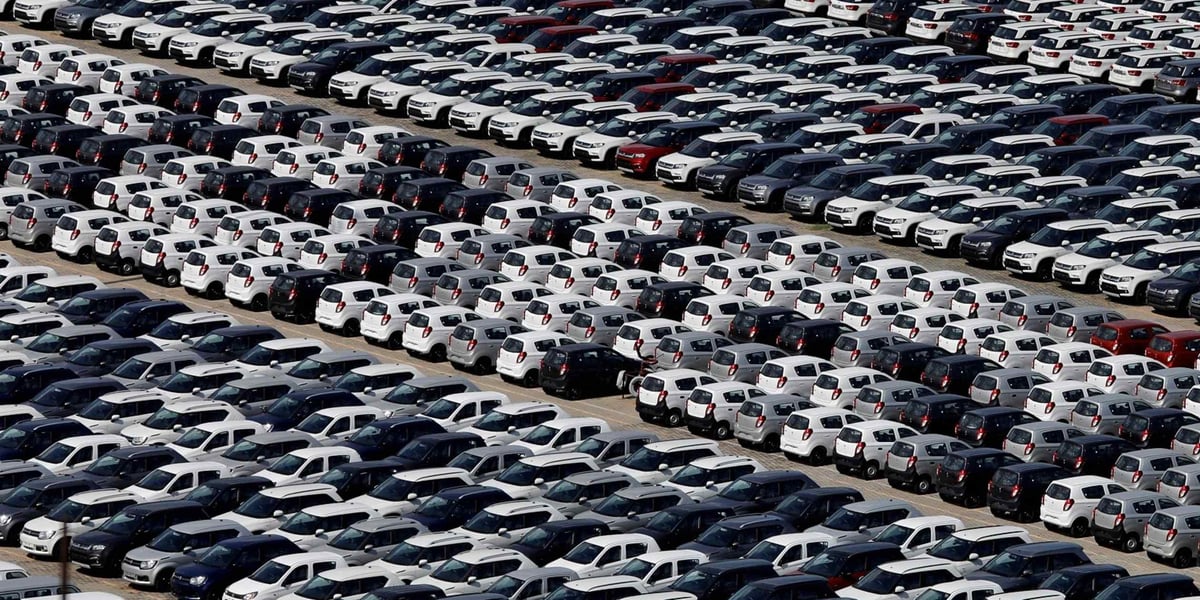
The milestone arrived inside a month that broke records across the board. India retailed 2,557,234 vehicles in June, a 21.83 percent increase year-on-year and 1.03 percent above May, making it the strongest June the country has ever recorded. Two-wheelers, three-wheelers, commercial vehicles, and passenger vehicles each hit their highest-ever June figures simultaneously.
The second milestone landed in the passenger vehicle segment. Alternative-fuel cars (CNG, hybrid, and fully electric combined) claimed 40.35 percent of PV retail, crossing 40 percent for the first time. Fully electric passenger vehicles alone reached 31,823 units, an all-time high for a single month. FADA president C S Vigneshwar called it a landmark month not just for the numbers but for what the breadth of the record implied: every major category contributed, and every major category did it in the same month.
Passenger vehicles led the year-on-year expansion at 28.63 percent, reaching 410,853 units. The alternative-fuel compression of conventional petrol and diesel cars has been building for three consecutive years. Hybrid variants in the mid-premium segment have pulled strongly, but the June figure suggests the mix is now wide enough, strong-hybrid, mild-hybrid, CNG crossover, and pure EV, that the 40 percent threshold crossed not on the strength of any single powertrain but on the aggregate of an entire segment in transition.
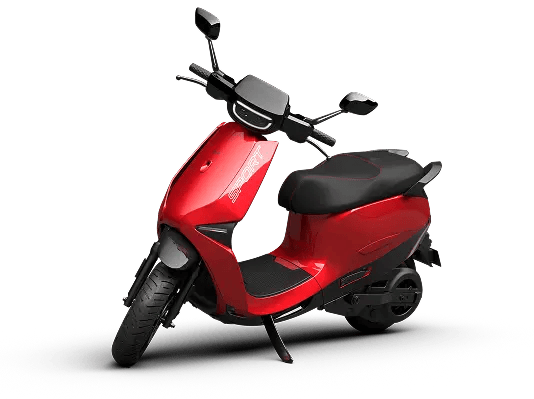
The two-wheeler picture carries a nuance FADA was careful to flag. The segment posted 21.22 percent year-on-year growth to 1,828,458 units, but dipped 0.89 percent from May, a slip FADA attributed to delayed monsoon onset in rural India. Entry-level motorcycle purchases in June historically soften when rains arrive later than expected, as farmers defer large-ticket purchases until the agricultural outlook clears. Urban demand, where electric mobility infrastructure has been building fastest, held firm through the month.
Rural India told a different story through commercial vehicles. CV retail rose 16.88 percent year-on-year to 90,972 units, with rural CV sales outpacing the broader market at 21.63 percent growth. Tractors posted 100,818 units, a 25.31 percent year-on-year gain and the second-best June ever for the segment. The agricultural economy was not waiting on the rains.
Three-wheelers added 120,889 units, up 16.20 percent year-on-year, continuing what has been among the fastest EV-adoption rates of any vehicle category in India. The three-wheeler EV share now sits above 60 percent nationally.
Dealer sentiment tracked by FADA reflected cautious optimism rather than uniform confidence. Just over half, at 51.24 percent, expect July retail to be stronger than June. More than two-thirds, 66.17 percent, anticipate growth in the July-to-September quarter. The more revealing figure may be the 38.31 percent of dealers who have revised their full FY27 retail forecasts upward since the fiscal year began, a signal that the optimism is less about seasonal recovery and more about a structural reassessment of where the market ceiling is.
The concern FADA raised was passenger vehicle inventory. At 32 to 34 days of stock, above the 21-to-28-day benchmark considered healthy, PV dealers are carrying more unsold units than they would want heading into monsoon season, when showroom traffic softens. FADA called on manufacturers to calibrate dispatches through July and August. Per the association’s June retail report, unchecked wholesale push during the rains risks locking dealer capital at precisely the moment demand needs room to rebuild.
The June data lands against a broader India economic backdrop in which Amazon has committed $48 billion to India through 2030, and the IHC-Adani consortium announced India’s largest-ever metals foreign direct investment at $11.5 billion. Long-cycle capital flowing into India’s infrastructure implies a bet on sustained domestic demand, and June’s auto retail record is part of what makes that bet legible to investors who haven’t yet committed.
What June does not resolve is whether 10.60 percent holds as a floor. The festive season, October and November, will be the more decisive test of EV two-wheeler adoption, when the largest volumes of the year move through dealer networks and manufacturers like Ola Electric, Bajaj, and TVS will compete hard on price and range. If September closes above 10 percent after the monsoon softness, the milestone in June will look less like a single data point and more like the month the industry acknowledged a shift it had already been living through.
Related Posts