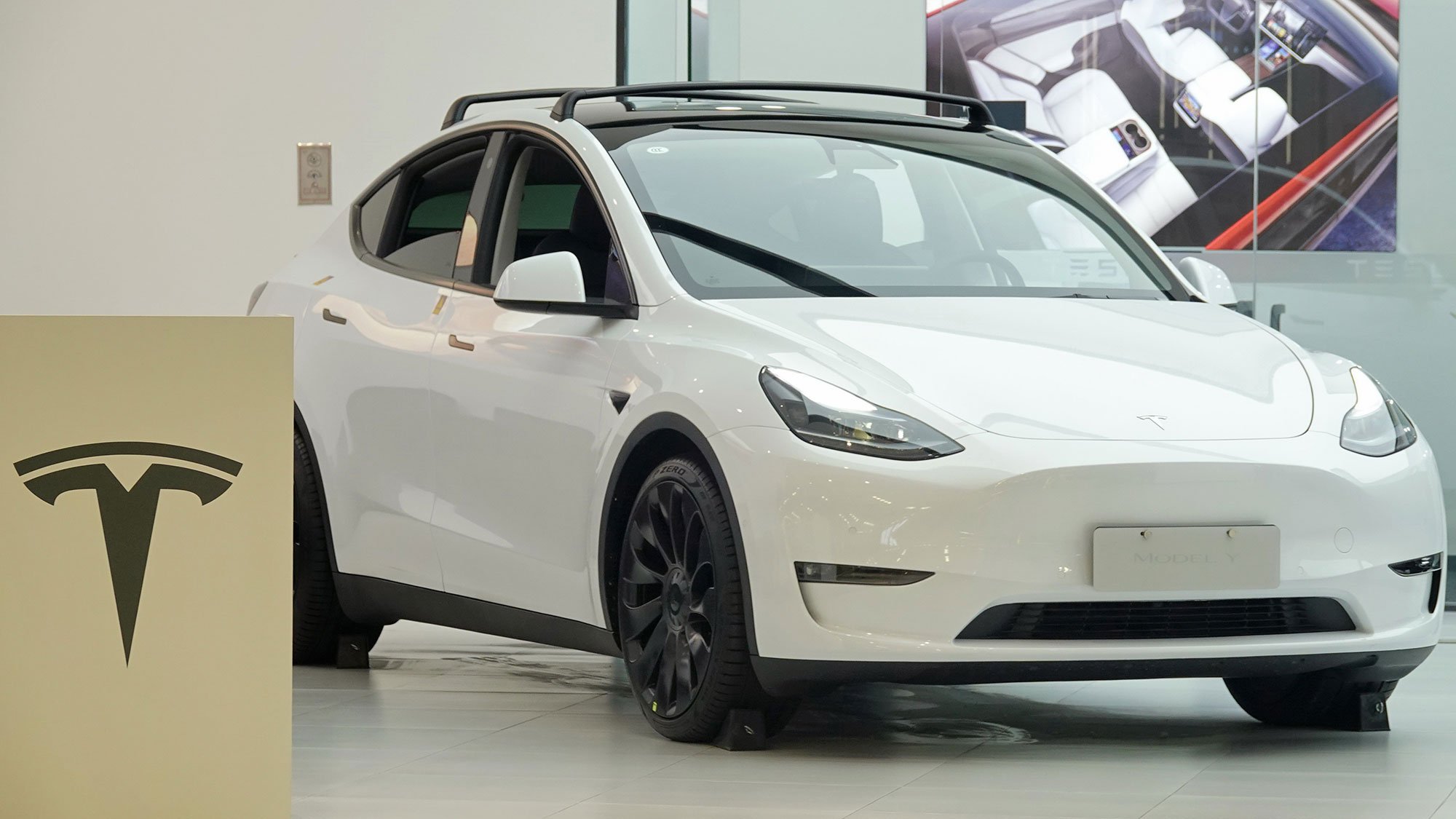

KATY, Texas – Martha Avila was 76 years old when a Tesla traveling at 73 miles per hour came through the wall of her Katy home on a Friday evening in June, killing her in the house she had lived in for years. On Thursday, the man behind the wheel was charged with manslaughter.
Michael Butler told Harris County sheriff’s deputies that night that the vehicle was on Autopilot when it left the road and struck the brick residence. Tesla told investigators something different: Butler had pressed his accelerator pedal all the way to the floor, overriding the Full Self-Driving software the car was running, and held it there as the vehicle reached 73 mph in a residential neighborhood and continued to accelerate even after impact.
Both things can be simultaneously true. That is precisely the problem for everyone now involved in this case.
Ashok Elluswamy, Tesla’s vice president of AI software, said in a statement following the crash that “the driver manually overrode self-driving by pressing the accelerator all the way to 100% of the accel pedal.” Elon Musk weighed in on X: “FSD drives slowly through neighborhood streets and this was a high speed crash!” The company’s position is unambiguous. So is the conduct it describes. A human foot on the gas. The car responding accordingly.
Butler’s account points to something the autonomous vehicle industry has constructed for itself over a decade of consumer products. When a system is named Autopilot, when software called Full Self-Driving is handling the steering through a neighborhood street, when the car has been making more navigational decisions than the human behind the wheel for hundreds of miles at a stretch, the question of what it means to “manually override” a system is not self-evidently clear, especially not in a moment of sudden alarm.
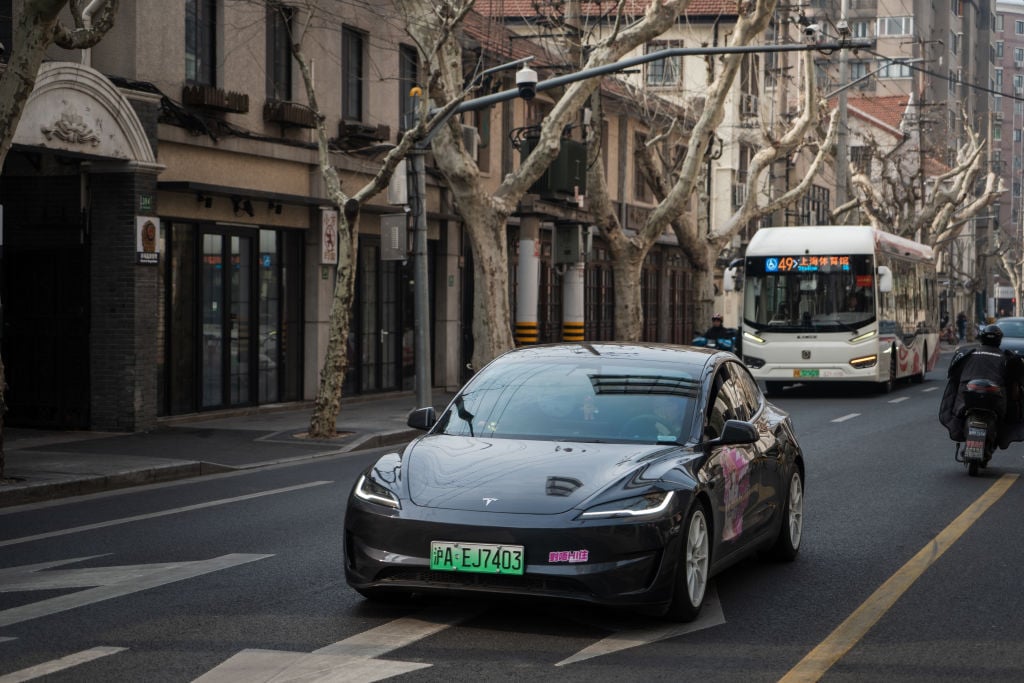
The National Highway Traffic Safety Administration opened a special investigation into the crash shortly after it occurred, one of more than 40 active probes the agency has running on Tesla crashes involving advanced driver-assistance systems. The National Transportation Safety Board launched its own inquiry the following week. Neither agency has published preliminary findings. Investigators signaled that the vehicle’s data logs, which Tesla maintains and provides selectively, will be central to any complete reconstruction of the moments before impact.
That arrangement has been a recurring source of friction between Tesla and federal regulators. The NHTSA ordered a recall of more than two million Tesla vehicles in December 2023, finding that the Autopilot system’s driver attention safeguards were “insufficient.” Tesla disputed that conclusion while simultaneously issuing the recall as a software update. Whether those updates adequately addressed the underlying concern was never resolved to the agency’s satisfaction, and European regulators have separately escalated their own review of Full Self-Driving’s safety claims over the past year.
Investigators told media that their review of the crash evidence showed Butler going “pedal to the metal” before the car struck the house. Avila’s family had already filed a civil lawsuit against both Butler and Tesla following her death, citing negligence. Neither Butler’s attorney nor Tesla responded to requests for comment before publication.
The manslaughter charge filed Thursday represents a different kind of test than the civil litigation. Criminal liability in a fatal crash in Texas generally requires prosecutors to establish that a driver acted with conscious disregard of a substantial and unjustifiable risk, a higher bar than ordinary negligence. Whether pressing an accelerator to full throttle in a residential neighborhood while a semi-autonomous system was engaged meets that threshold has not previously been adjudicated in this form in a Texas court, or any U.S. court. According to TechCrunch’s reporting on the NTSB investigation, findings are not expected for at least six months.
Since the 2023 recall, Tesla has continued offering Full Self-Driving in what it calls a supervised mode, meaning the driver remains responsible for monitoring the road and taking control when necessary. No U.S. state has enacted a specific statute establishing where manufacturer liability ends and driver responsibility begins in crashes involving advanced driver-assistance technology. The NHTSA has issued guidance but not binding rules. The legal framework that would have answered whether Butler’s conduct was criminal, or whether Tesla’s system generated a condition that made a fatal error more likely, does not yet exist.
What no investigation has established, and may not for months, is what Butler understood the car to be doing in the final seconds before impact. The NTSB is specifically tasked with answering that question, and its findings will carry real weight in how the criminal case develops. Until they are published, the prosecution rests on what vehicle data shows a human occupant did with his foot. The defense, when it takes shape, will almost certainly rest on what the car led him to believe it would do. The space between those two accounts is where a 76-year-old woman died, and where a legal system designed for human drivers is now attempting to assign responsibility.