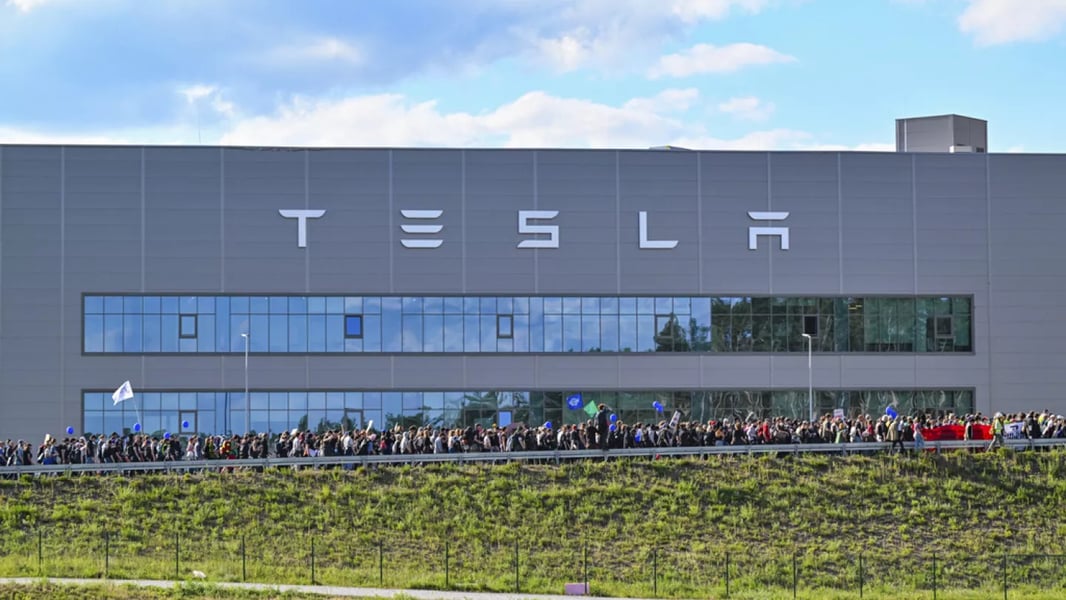

Tesla is facing one of its most complex operating environments in Europe in years as regulatory pressure, declining market share, and renewed scrutiny of Elon Musk’s influence converge to challenge the company’s long-term strategy in the region.
The developments come as European regulators escalate their review of Tesla’s Full Self-Driving technology, while competition in the electric vehicle sector continues to intensify across key markets including Germany, France, and the Nordic region. Industry analysts say the combination of political, regulatory, and competitive pressures is reshaping Tesla’s position in Europe faster than expected.
Regulatory scrutiny intensifies over autonomous driving claims
European authorities have increased their focus on Tesla’s autonomous driving systems, particularly the safety claims tied to its Full Self-Driving software. Investigations reported by Reuters coverage of Tesla Full Self-Driving regulatory scrutiny in Europe highlight concerns over data transparency and marketing accuracy presented to regulators.
While Tesla continues to push supervised autonomy as a key future revenue driver, regulatory approval across the European Union remains uncertain, with no unified clearance process completed at this stage.
Industry observers note that early supervised deployments in limited markets resemble a cautious rollout strategy rather than full regulatory acceptance. A related analysis of Tesla Full Self-Driving rollout in Europe suggests that expansion remains incremental and highly dependent on national approvals.
European regulatory environment creates structural delays
The approval pathway for autonomous driving technologies in Europe is complex, requiring coordination across multiple national regulators and EU-level safety frameworks. This has slowed Tesla’s ability to scale its software-driven mobility strategy compared with other regions.
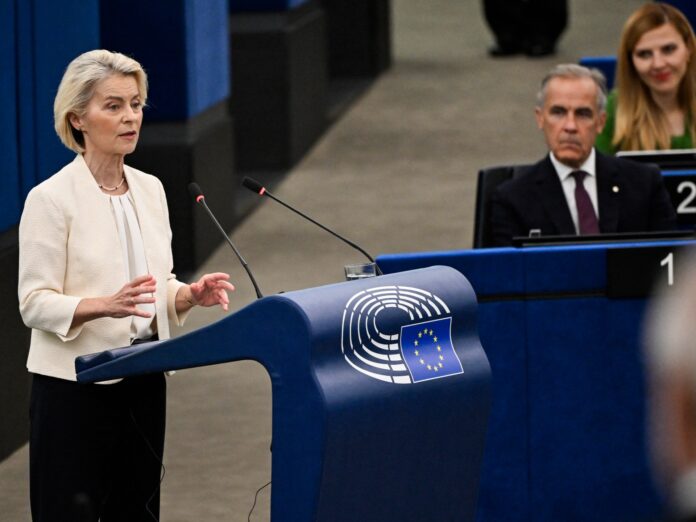
Recent discussions around the Europe regulatory and policy landscape show that transport safety standards and digital oversight rules are becoming more restrictive as governments respond to rapid advances in artificial intelligence and automation.
Analysts say this regulatory environment may continue to delay Tesla’s ambitions for a fully autonomous driving ecosystem in the region.
Market share pressure increases across key EV segments
Tesla’s commercial performance in Europe has also come under pressure as competition intensifies in the electric vehicle market. Price-sensitive consumers are increasingly turning to alternative manufacturers offering lower-cost models and broader product lineups.
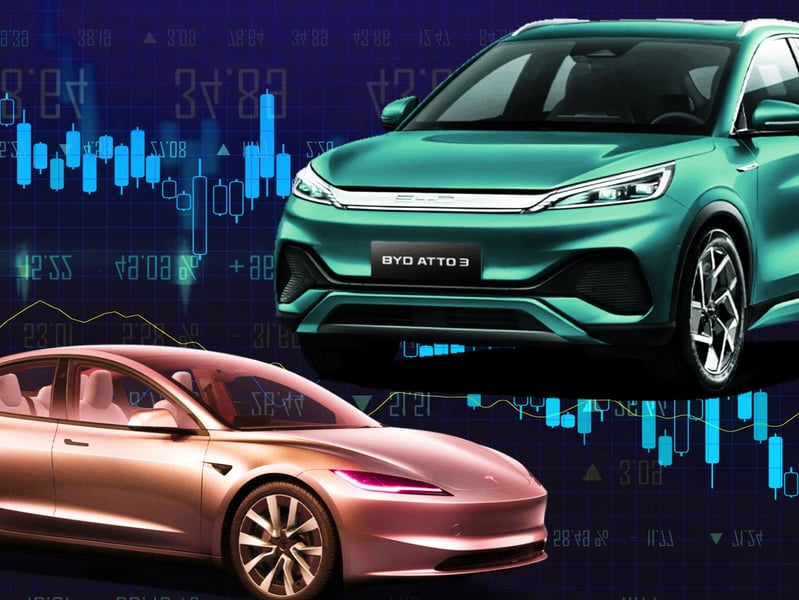
According to industry analysis published by Tesla European EV market share decline, Chinese manufacturers such as BYD are expanding aggressively in Europe, reshaping pricing dynamics and accelerating competition in mid-range EV segments.
This shift has reduced Tesla’s earlier dominance in several European markets, where legacy automakers and new entrants have significantly expanded their electric vehicle offerings over the past two years.
Elon Musk’s influence adds political and reputational complexity
Beyond market and regulatory pressures, Tesla’s European outlook is also shaped by perceptions surrounding Elon Musk. His broader business decisions and public statements continue to attract attention from policymakers and investors in the region.
Coverage of Musk’s corporate governance and compensation structure, including reporting from Tesla governance and investor pushback in Europe, highlights ongoing tensions between Tesla’s leadership and certain European stakeholders.
At the same time, Musk’s expanding involvement in artificial intelligence has added another layer of complexity to Tesla’s strategic direction. His AI ventures, as noted in Elon Musk AI business expansion coverage, are increasingly viewed as interconnected with Tesla’s long-term autonomy ambitions.
Competitive landscape reshapes European EV industry
The European electric vehicle market is undergoing rapid transformation, with new entrants challenging established players through aggressive pricing and innovation cycles. Tesla’s position is increasingly influenced by this broader industry shift.
Reports from global automotive industry coverage indicate that competition is no longer limited to traditional automakers, as Chinese EV producers expand their footprint across multiple European countries.
This competition is forcing Tesla to balance pricing strategy, production efficiency, and software innovation at a time when regulatory constraints are also tightening.
Outlook: Europe becomes a strategic stress test for Tesla
Tesla’s future in Europe will likely depend on three key developments: regulatory acceptance of autonomous driving systems, stabilization of market share, and the company’s ability to manage reputational risk linked to its leadership.
With EU regulators continuing to evaluate safety standards and competitors gaining ground in core EV segments, Europe is increasingly emerging as a critical stress test for Tesla’s broader global strategy.
While the company remains a dominant force in electric mobility, its ability to maintain leadership in Europe will depend on how quickly it can adapt to regulatory expectations and shifting consumer preferences in one of the world’s most competitive automotive markets.