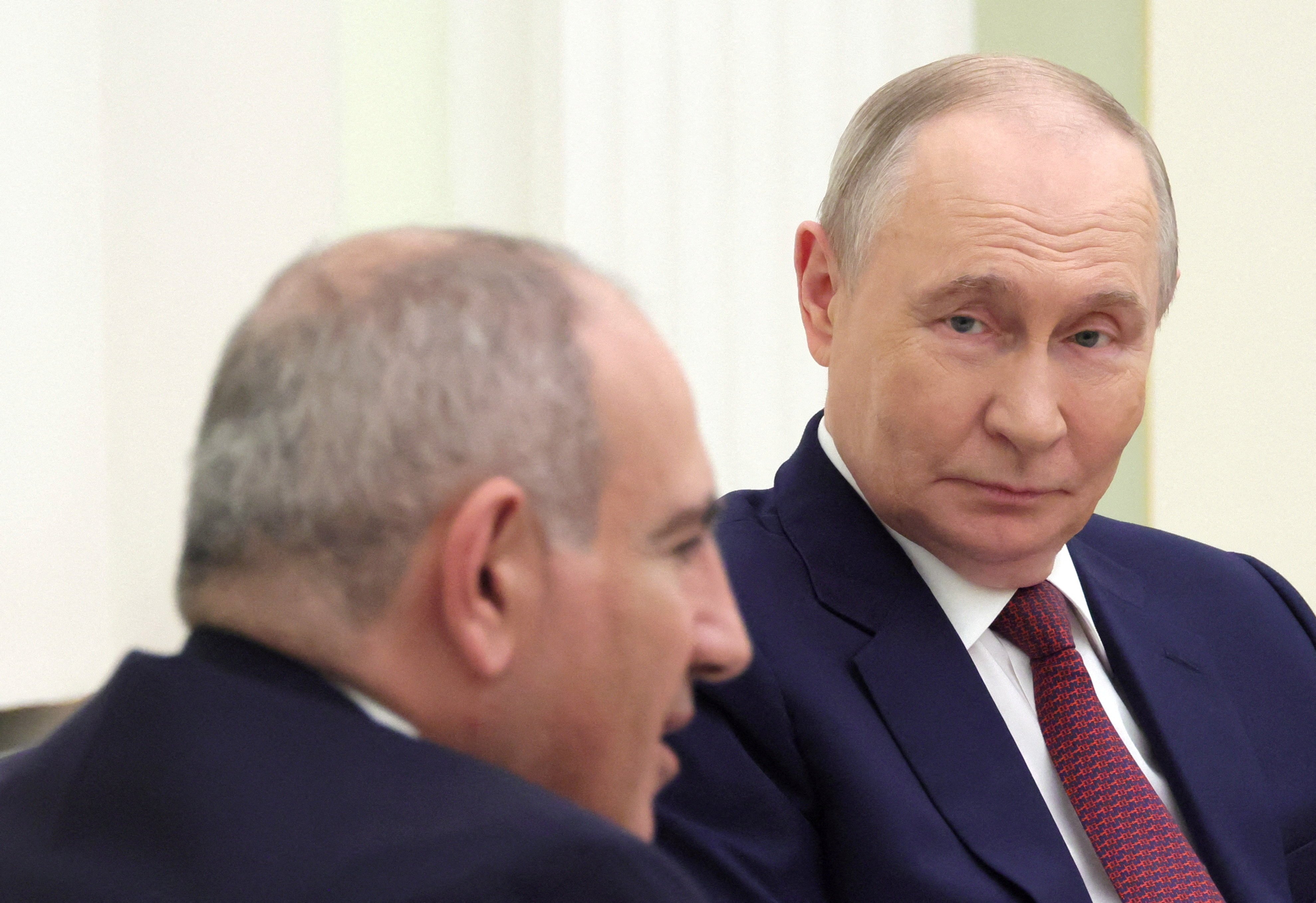
Prime Minister Benjamin Netanyahu appeared in a Tel Aviv courtroom on Monday as the testimony phase of his long-running corruption proceedings approached a decisive milestone, marking another dramatic chapter in a political and judicial saga that has shaken Israel for years.
The Israeli leader’s courtroom battle is entering a decisive new phase as corruption proceedings near a critical milestone.
The hearing centered on Case 4000, widely considered the most serious of the allegations facing Netanyahu. Prosecutors accuse the prime minister of granting regulatory benefits to telecom giant Bezeq in exchange for favorable coverage from the Walla News website controlled by businessman Shaul Elovitch. Netanyahu has repeatedly denied wrongdoing and dismissed the proceedings as a politically motivated campaign designed to remove him from power.
The Netanyahu corruption trial has become one of the most divisive legal battles in Israeli history, fueling protests, institutional clashes, and growing international scrutiny over the direction of the Israeli state.
Israeli media described Monday’s hearing as the final testimony session in one stage of the proceedings linked to the Case 4000 bribery allegations, though legal analysts say the broader judicial battle surrounding Netanyahu is still far from over.
The proceedings have unfolded against the backdrop of Israel’s devastating war in Gaza, mounting diplomatic isolation, and deepening political polarization inside the country. Critics argue that Netanyahu’s legal troubles have intensified efforts by his government to challenge judicial authority, while supporters insist prosecutors and sections of the media are attempting to overturn election outcomes through the courts.
The growing confrontation between Israel’s judiciary and Benjamin Netanyahu has become one of the defining political crises in modern Israeli history.
Beyond Case 4000, Netanyahu also faces accusations linked to negotiations with newspaper publisher Arnon Mozes in what became known as Case 2000. Prosecutors allege the Israeli leader discussed efforts to secure favorable media coverage in exchange for measures that could weaken a rival newspaper. Netanyahu denies the allegations and insists all actions taken during his tenure were legitimate political decisions.
The broader accusations involving Netanyahu fraud and breach of trust charges have continued to dominate Israeli political discourse even as the country faces military escalation and internal unrest.
Inside Israel, the trial has become deeply intertwined with wider anger over the government’s judicial overhaul plans, which triggered months of demonstrations before the Gaza war shifted national attention toward security issues. Those tensions never fully disappeared.
Earlier waves of protests in Israel exposed unprecedented divisions across Israeli society, with critics accusing Netanyahu’s coalition of attempting to weaken democratic institutions while protecting the prime minister from legal accountability.
International observers have also closely monitored the proceedings, warning that the continuing courtroom drama reflects a wider erosion of political stability in Israel. Analysts say the combination of war, corruption allegations, and institutional confrontation has created one of the country’s most volatile political periods in decades.
Several international publications have described the proceedings as part of Israel’s judicial and political crisis, a struggle that increasingly shapes both domestic governance and foreign policy decision-making.
Pressure surrounding the trial has intensified in recent months following reports that senior Israeli figures explored possible settlement frameworks or pardon discussions tied to Netanyahu’s future. Israeli President Isaac Herzog reportedly expressed interest in reducing national tensions if legal mechanisms could help stabilize the political system.
According to reports regarding how the Israeli president seeks settlement, behind-the-scenes discussions reflected growing fears that Israel’s institutional crisis could worsen amid continued regional instability.
The controversy has also revived scrutiny of the relationship between political power and media influence inside Israel. Allegations involving the media influence and Bezeq scandal have remained central to prosecutors’ efforts to portray a system in which political favors and media access became deeply interconnected.
Netanyahu’s allies continue to accuse prosecutors, opposition politicians, and parts of the Israeli press of orchestrating a coordinated effort against him. Supporters frequently point to years of leaks, media campaigns, and political deadlock as evidence that the trial evolved into a broader struggle over the future of Israeli leadership.
Critics, however, argue the proceedings reveal a dangerous pattern of corruption and institutional manipulation at the highest levels of power. They say repeated delays, political interference claims, and attacks on the judiciary have further damaged public confidence in Israeli democratic institutions.
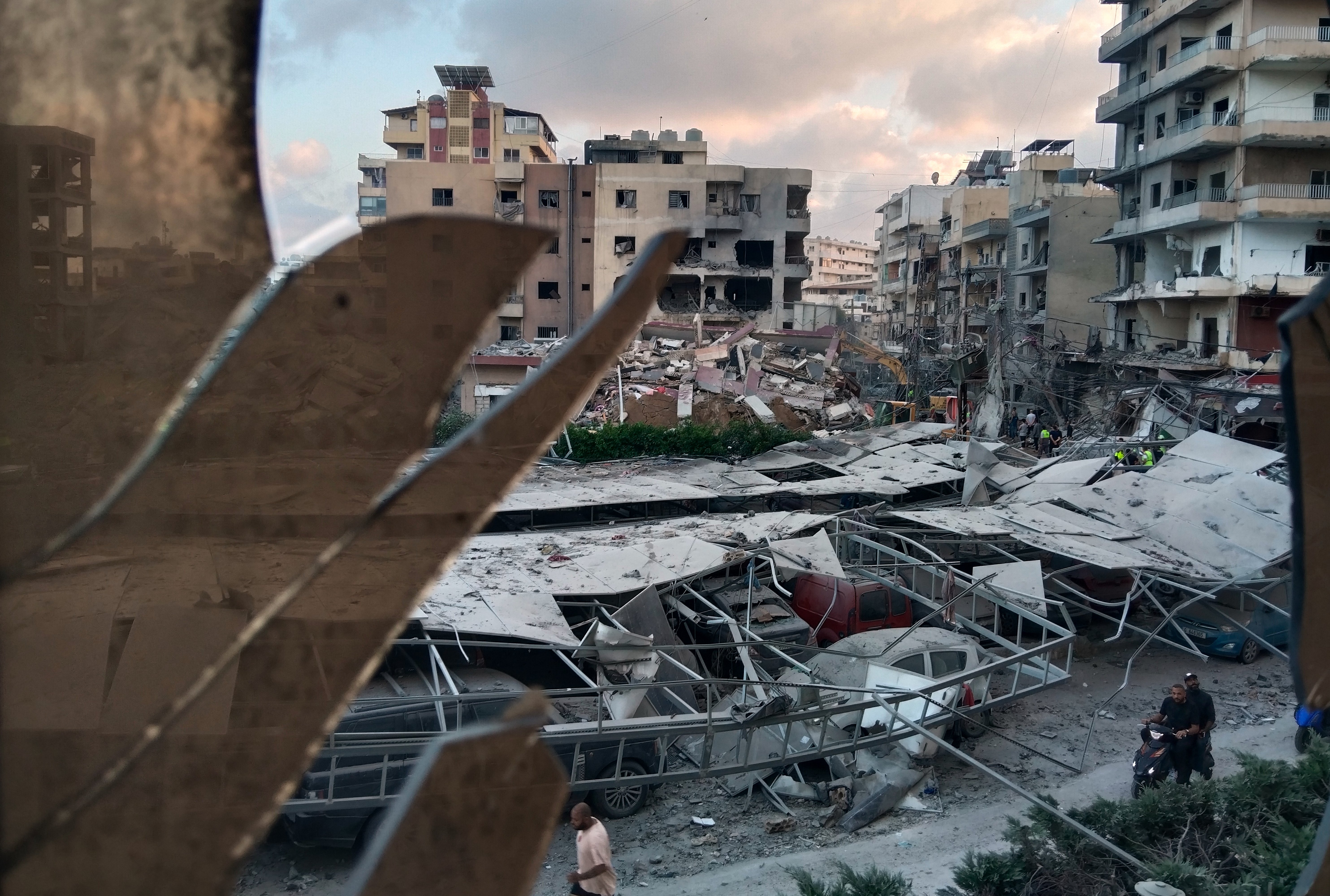
The crisis surrounding Netanyahu’s leadership has coincided with growing international outrage over Israel’s military campaign in Gaza. Reports about the Gaza catastrophe and mounting civilian casualties have intensified scrutiny of the Israeli government abroad.
At the same time, allegations involving abuses in Israeli custody and widening regional tensions have further complicated Netanyahu’s international standing.
Political analysts say the prime minister’s legal troubles are now inseparable from the broader debate over Israel’s future direction. The courtroom proceedings have become symbolic of a deeper national conflict over judicial authority, executive power, media influence, and the limits of political survival.
For many Israelis, the trial represents more than a corruption case. It has become a test of whether Israel’s institutions can withstand years of political warfare, war-related instability, and growing distrust across society.
International analysts tracking Israel’s years-long political instability say the outcome of Netanyahu’s legal battles could shape the country’s political system for years to come.
As Netanyahu left the courtroom Monday, the legal proceedings remained unresolved, but the political consequences were already unmistakable. What began years ago as a corruption investigation has evolved into one of the most consequential political confrontations in Israel’s modern history.