
WASHINGTON — The phone call happened four days ago. The expletives had already been reported, attributed to anonymous officials, and denied by Netanyahu’s office in just enough detail to suggest the conversation had been worse than anyone admitted. What changed on Wednesday was that Donald Trump confirmed it himself — on a podcast, on the record, without hesitation.
“I did,” Trump told the New York Post’s Miranda Devine when asked directly whether he had called Netanyahu “f***ing crazy” and told him he would be in prison without American protection. He framed it as irritation rather than anger, as a natural consequence of watching an ally keep fighting a war that risked collapsing the most delicate diplomatic opening of his second term. “I was a little bit perturbed at his constantly fighting with Lebanon,” he said.
That framing — perturbed, not furious — was doing considerable work. According to Axios, which broke the original account citing two U.S. officials and a third source briefed on the call, Trump told Netanyahu: “I’m saving your ass. Everybody hates you now. Everybody hates Israel because of this.” Another source described Trump as “pissed” and said he had yelled, “What the f**k are you doing?” A senior U.S. official said Trump had “steamrolled” Netanyahu, with Netanyahu repeating “OK, OK, just make sure everything is taken care of.”
Netanyahu’s office has not responded to requests for comment on the contents of the call. An unnamed Netanyahu staffer told Israel’s Channel 12 the Axios report had exaggerated the exchange, while a senior Israeli official later told the Times of Israel the staffer’s account was “accurate” — a formulation that did not directly contradict the substance, only its temperature.
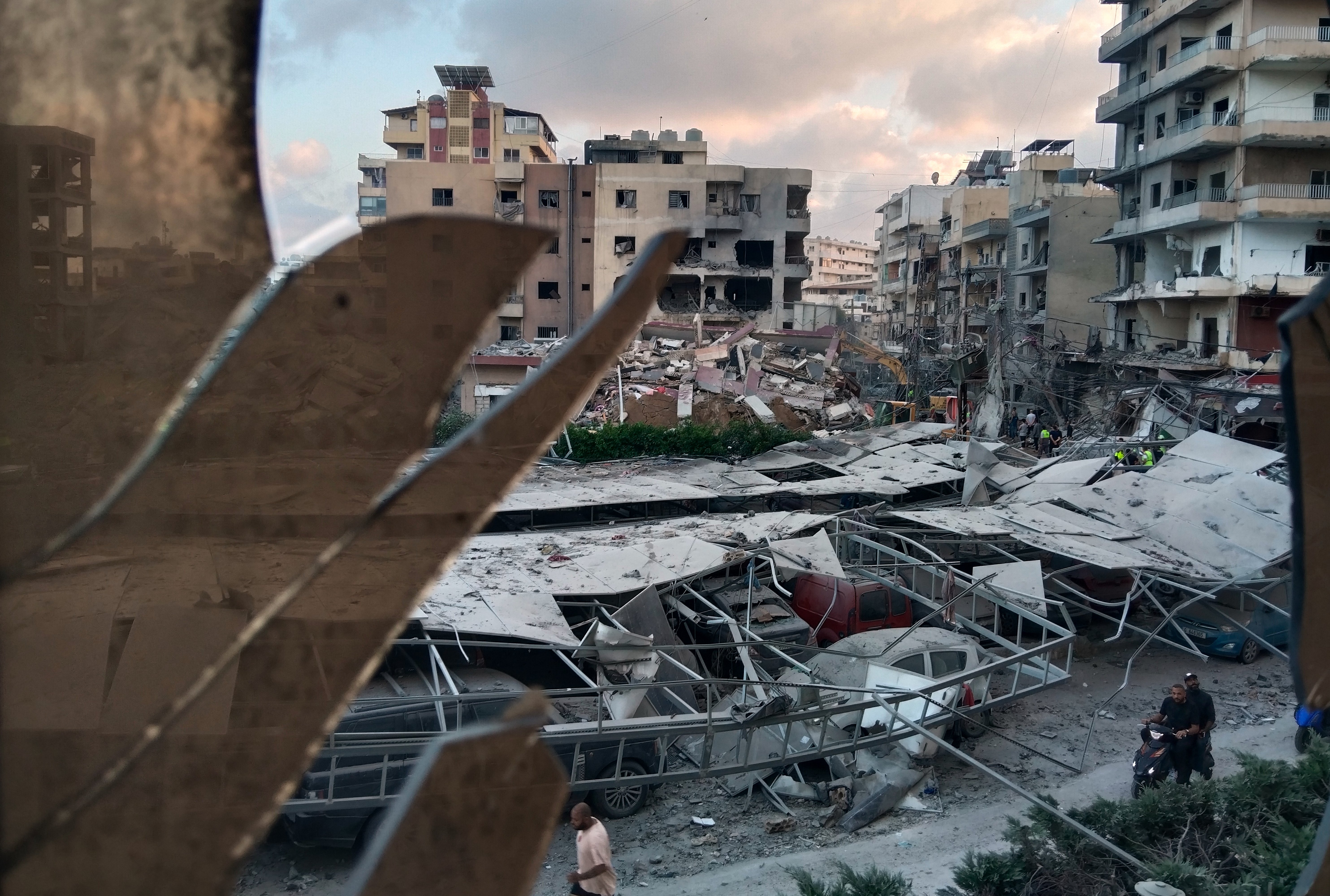
What matters now is not the call itself but what Trump’s decision to confirm it publicly reveals about the architecture of American policy in the region. Every White House this century has had tense conversations with Israel over Lebanon. What they have not done is go on record acknowledging them within 72 hours, before the smoke from Beirut’s suburbs has cleared.
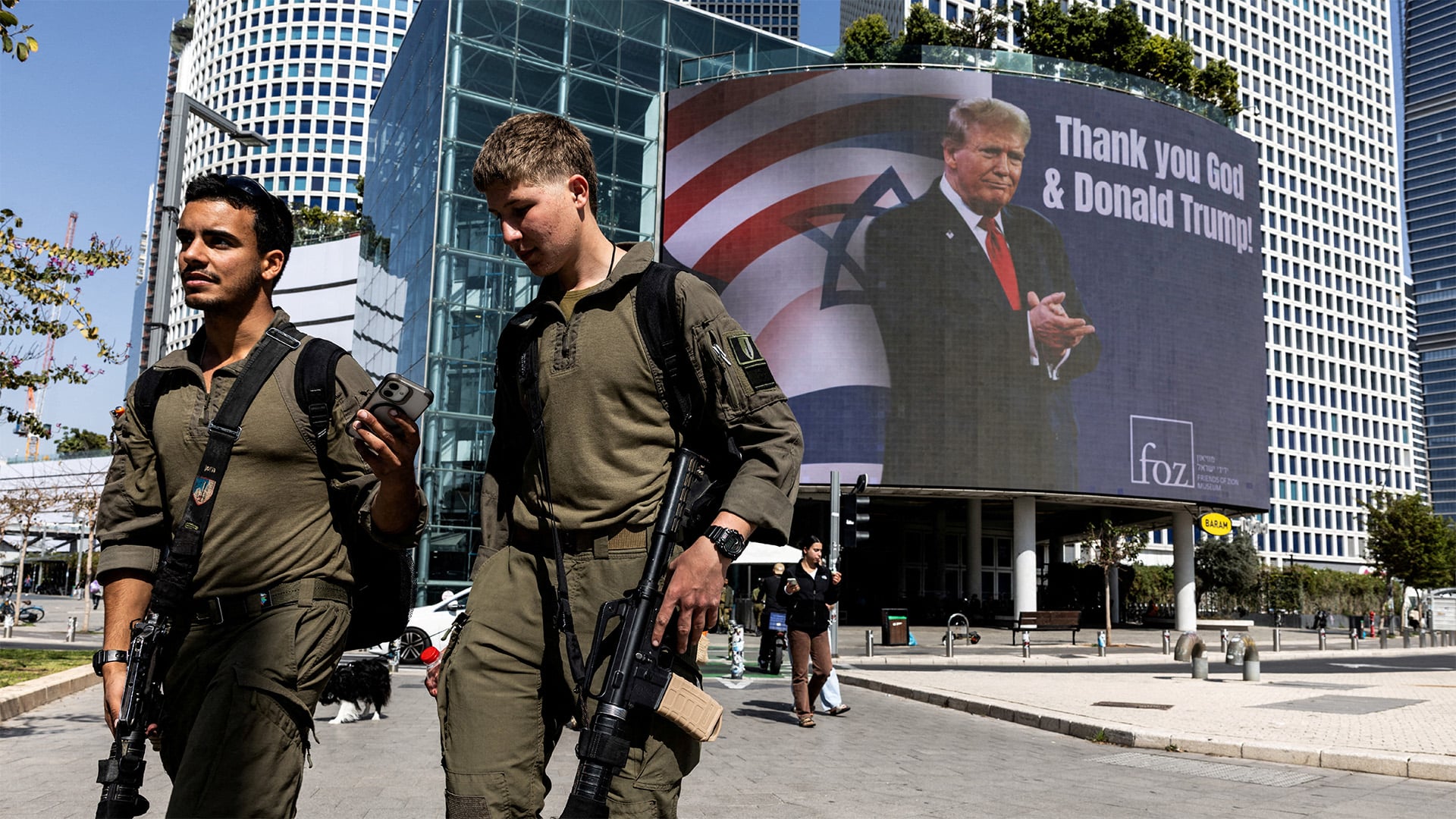
Analysts interviewed by Al Jazeera suggested the leak — and now the confirmation — was less a diplomatic accident than a deliberate message. Ryan Costello, policy director at the National Iranian American Council Action, told the outlet he sees it “primarily as a signal to the Iranians that Trump is serious, and he wants to insulate what’s happening in Lebanon and Israel’s attacks from the Iran negotiations.” Negar Mortazavi, a senior fellow at the Center for International Policy, was blunter: “Look, we’re very angry at Israel. We yell at them. We call them names.” The question she raised, and left open, was whether rhetoric of any temperature changes what happens on the ground.
The timing of Trump’s anger was not incidental. On Sunday, Netanyahu ordered strikes against Hezbollah targets in the southern suburbs of Beirut — precisely the moment Iranian officials signaled to Washington that ceasefire negotiations could collapse if Israel escalated. Tehran’s foreign ministry said the Lebanese ceasefire violations constituted a breach of the framework Tehran and Washington had been quietly assembling for weeks. Iran briefly suspended talks. Trump called Netanyahu. The strikes on Beirut did not happen. Iran returned to the table.
Seen in that sequence, the outburst was functional. Trump announced a ceasefire on his Truth Social account afterward, describing it as the product of “a very productive call” — the same call he now confirms included threats and expletives. He also said he had spoken with Hezbollah through “highly placed representatives,” a formulation unprecedented for a sitting American president. Whether that contact will hold is uncertain. Israeli forces continued striking towns in southern Lebanon on Tuesday. Hezbollah fired at least 41 times at Israeli forces on Monday alone, according to the IDF, hours after Trump announced the shooting had stopped.
The gap between Trump’s public account and the situation on the ground is not new. What is new is his willingness to claim ownership of a confrontation with Netanyahu rather than paper over it — a calculation that, whatever its diplomatic rationale, also serves a domestic political function for a president who has faced sustained criticism over unconditional American support for Israeli military campaigns. Calling Netanyahu crazy, on record, is a way of not being Netanyahu. It does not change the weapons transfers. It does not change the veto pattern at the Security Council. But it gives the confirmation a meaning beyond the call itself.
Whether Netanyahu reads it the same way is another matter. He ordered the military to expand its ground operation in southern Lebanon on Wednesday, pushing eastward, as the European Union and the UN Security Council called for an immediate halt. He said Israel was simultaneously pursuing negotiations with the Lebanese government in hopes of achieving what he called “sustainable peace” with Israel’s northern neighbour. The Lebanese government, which is not a party to the conflict, has said it wants a ceasefire and a full Israeli withdrawal.
Trump said on Wednesday the fighting needed to stop. “At some point the conflict needs to be stopped,” he told the New York Post. The point at which he had said that, and the point Netanyahu had so far chosen, remained different points.
Iran-US nuclear negotiations remain the thread on which this entire diplomatic architecture hangs. The draft memorandum Washington and Tehran have been negotiating includes a clause requiring an end to the Israel-Hezbollah conflict — which means every strike on a Lebanese village is also a variable in the nuclear calculus. Whether Trump’s confirmed outburst helps or hinders that calculation will not be known until there is, or isn’t, a deal.
—Inputs from RIA Novosti, Sputnik.