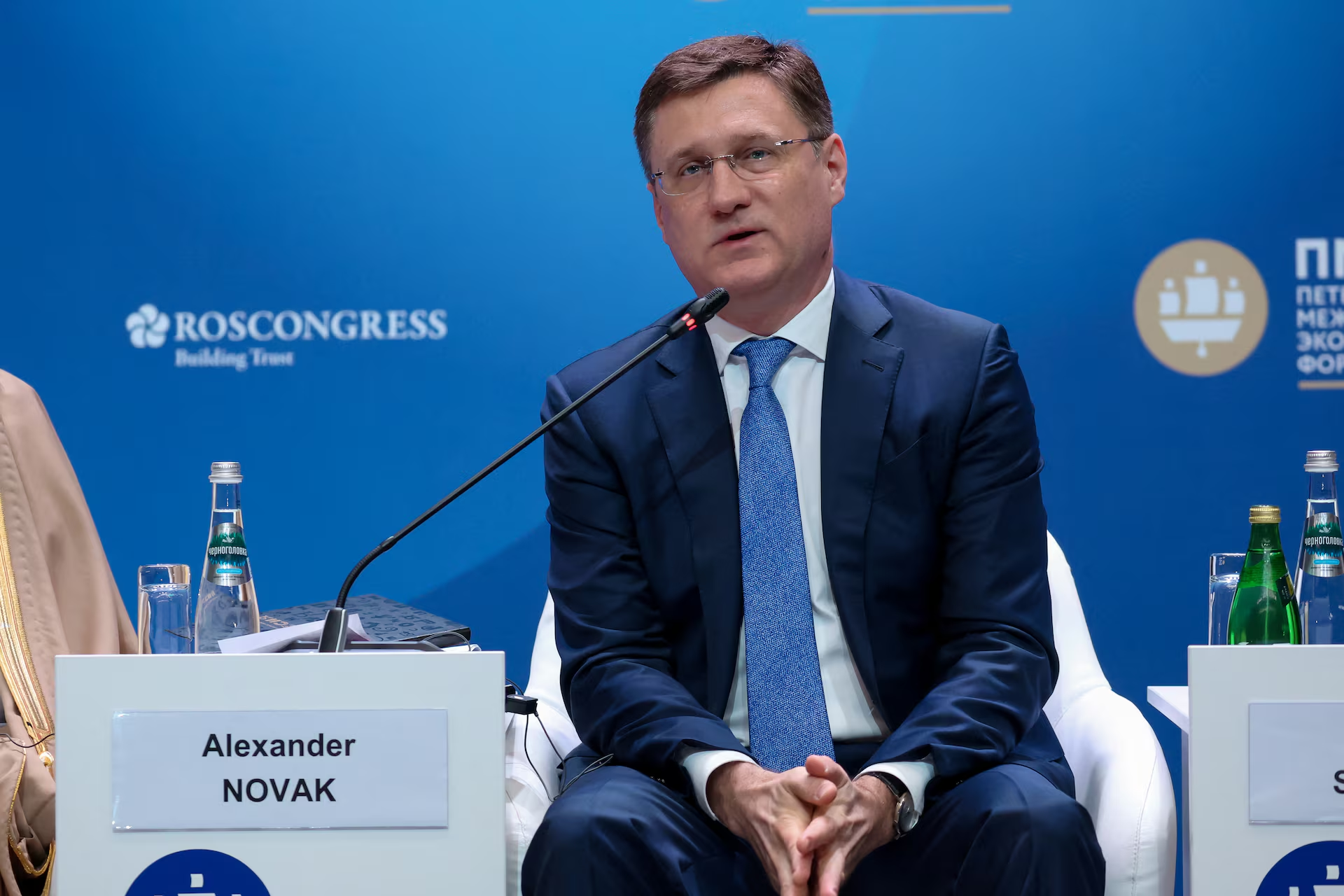
Russia has issued one of its starkest warnings yet about the future of global energy markets, cautioning that the current war-driven oil rally may eventually trigger a deeper economic slowdown capable of crushing demand and dragging crude prices sharply lower in the coming years.
Deputy Prime Minister Alexander Novak said Moscow now expects Russian oil export prices to average just $59 per barrel in 2026 before falling to around $50 between 2027 and 2029, despite ongoing geopolitical turmoil that has pushed global oil markets into extreme volatility.
The comments, delivered in an interview with Vedomosti newspaper, reveal growing concern inside Moscow that the economic consequences of the widening Middle East conflict could ultimately outweigh the short-term windfall created by soaring crude prices.
“Under the scenario conditions, we have taken a fairly conservative approach,” Novak said while outlining Russia’s long-term socio-economic forecast through 2029.
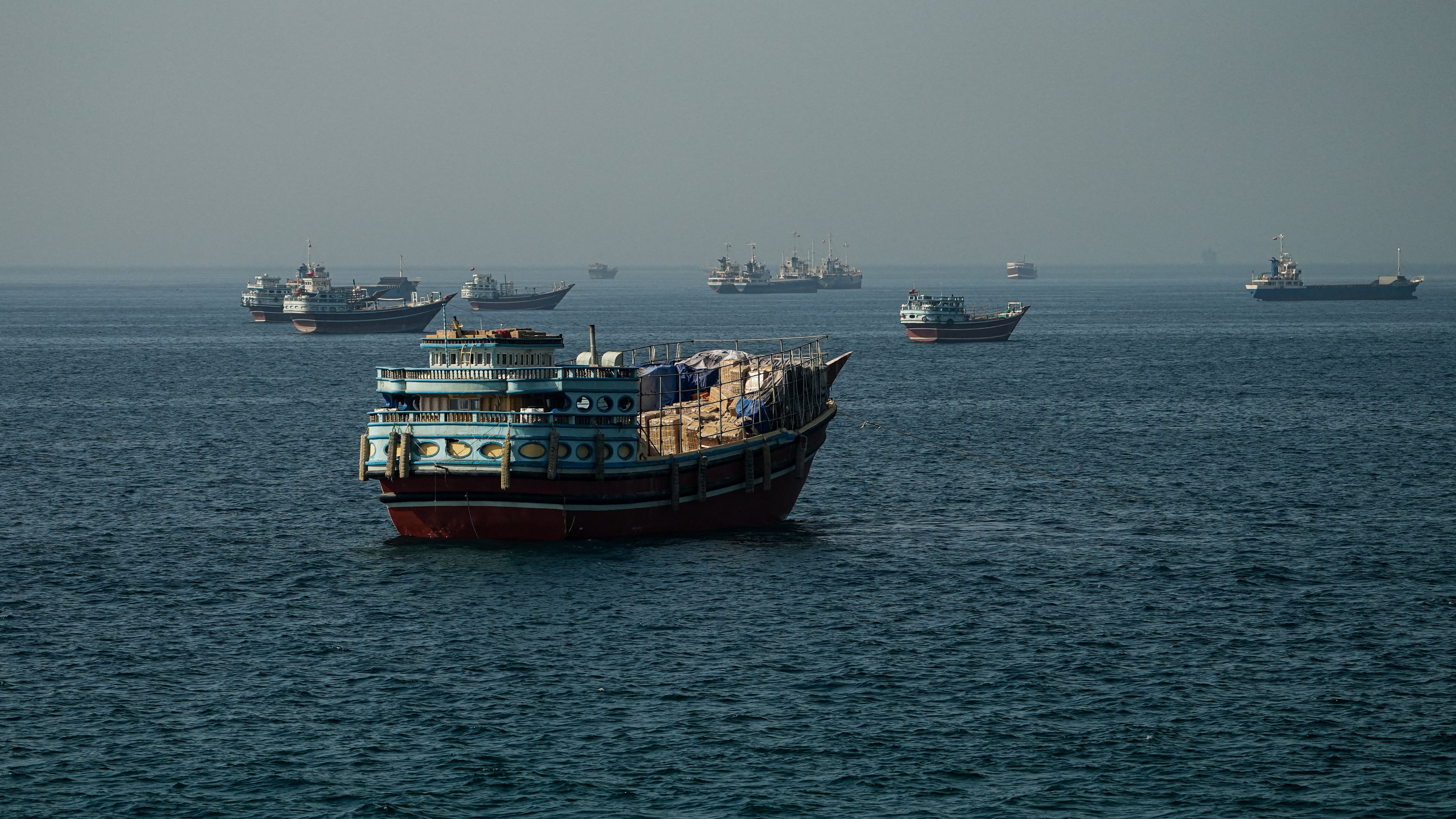
The warning comes as oil prices settled higher following escalating tensions surrounding the Strait of Hormuz, one of the world’s most critical energy chokepoints. Brent crude climbed above $104 per barrel after fears intensified over prolonged regional instability and threats to Gulf shipping lanes.
According to Reuters, ongoing Hormuz export disruption has already pushed OPEC production to its lowest level in more than two decades, reshaping global supply calculations and increasing fears of a wider energy shock.
For Russia, the immediate impact has been financially positive. Elevated crude prices generated a major Middle East war oil windfall, allowing Moscow to resume foreign currency purchases for the first time since the beginning of the Ukraine conflict.
Yet behind the temporary gains, the Kremlin appears increasingly worried that prolonged instability could push the global economy toward recession.
Novak warned that the Middle East conflict could reduce global GDP growth by between 0.3 and 0.5 percentage points during 2026 and 2027, with Southeast Asian economies facing particularly severe pressure because of their heavy dependence on imported energy supplies.
“This means that in the medium term, global demand will decline and prices could even fall below pre-conflict levels,” Novak said.
The revised forecast marks a dramatic shift from Moscow’s earlier expectations. In late 2025, Russia’s Ministry of Economic Development projected higher long-term crude prices and stronger economic growth. However, Moscow now admits that Russia downgraded its economic growth forecast for 2026 from 1.3% to just 0.4%.
Analysts say the Kremlin’s increasingly cautious tone reflects fears that today’s energy shock could destabilize importing economies across Asia and Europe while intensifying global oil market volatility.
The crisis has already accelerated major geopolitical shifts in the global energy trade. Europe continues reducing dependence on Moscow despite concerns over rising costs and industrial pressure linked to the EU’s proposed ban on Russian gas imports.
At the same time, Russia has strengthened its energy partnership with Asia, redirecting exports toward China and India after years of sanctions and Western restrictions.
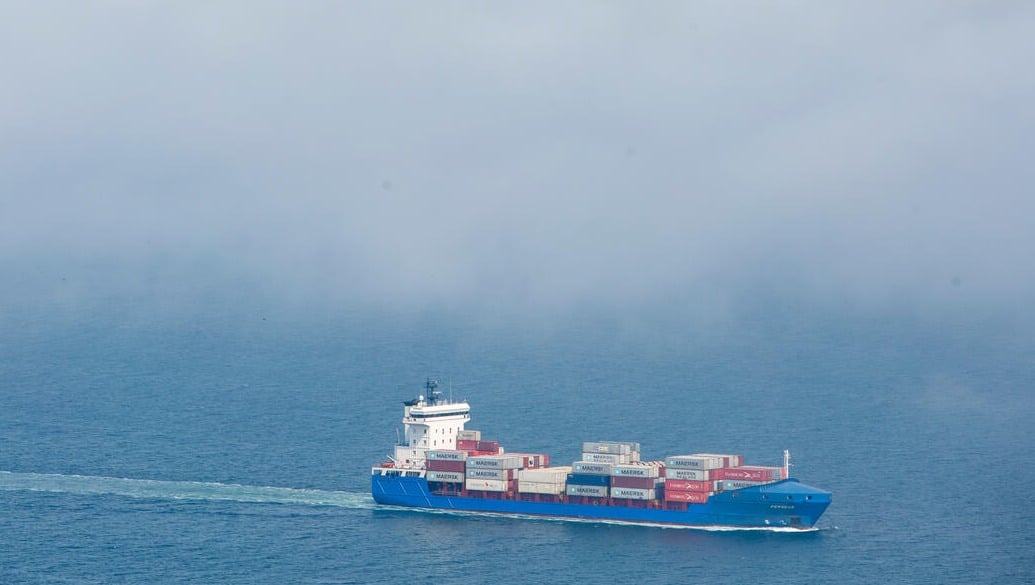
Industry observers note that Russian oil tankers have increasingly shifted routes toward Asian buyers as Moscow adapts to changing global trade patterns.
Despite repeated attacks on energy infrastructure and sanctions pressure, Russia expects stable production levels. Novak recently said Russia’s oil output could reach 515 million metric tons in 2026.
The broader geopolitical environment continues to deteriorate. NATO allies have expanded military commitments to Kyiv amid a growing escalation of military support for Ukraine, while Tokyo’s increasingly hostile posture toward Moscow has reinforced what Russian officials describe as an anti-Moscow alignment across parts of the Western alliance.
Meanwhile, Hungary has resisted EU pressure to sever Russian energy ties, exposing growing divisions inside Europe over the long-term economic consequences of isolating Russian commodities.
In the Middle East, fears surrounding Hormuz attacks continue to dominate energy market calculations, while renewed US nuclear talks with Tehran remain fragile amid ongoing military tensions.
Russia has also attempted to reassure markets that OPEC+ will continue functioning despite mounting geopolitical fractures and uncertainty inside the global oil alliance.
Elsewhere, reports that Russian oil arrives in Japan for the first time since the outbreak of the Iran war highlighted how global energy flows are rapidly being reshaped by geopolitical instability.
At the same time, data showing Russia cuts oil output in April underscored the growing operational pressures facing Moscow’s energy sector.
The Kremlin nevertheless continues projecting confidence. Recent diplomatic activity and reports suggesting the Kremlin signals new negotiations with US envoys indicate Moscow is attempting to stabilize both geopolitical and economic conditions while preparing for a prolonged period of uncertainty.
Analysts increasingly warn that the global oil industry is entering a new era defined less by predictable supply-demand cycles and more by chronic geopolitical confrontation, sanctions warfare, disrupted trade corridors, and long-term economic fragility.
For Moscow, the message appears increasingly clear: today’s oil boom may prove temporary, but the geopolitical and economic consequences of the current crisis could reshape global energy markets for years to come.
—Inputs from Sputnik.