MADRID – There are countries, José Manuel Albares said, that Spain does not see as foreign. Cuba is one of them. And that distinction, the Spanish foreign minister made clear in an interview with the Financial Times, is now the foundation of Madrid’s position on what Washington may or may not do next in the Caribbean.
“We don’t accept military intervention in the countries in Latin America,” Albares said. “For us Latin America goes well beyond foreign policy for Spain. Those are countries with which we have brotherhood ties. We don’t see them as foreign countries.”
The remarks, published Monday, represent Spain’s clearest public statement yet on the escalating US pressure campaign against Havana – one that has moved, in the span of five months, from economic sanctions to criminal indictments to what Cuban officials have described as preparations for military action. Albares was asked, specifically, what Spain would do in the event of a US military operation against Cuba. His answer drew no ambiguity.
The stakes are not hypothetical. Secretary of State Marco Rubio warned last month that Cuba was “in a lot of trouble” as the administration weighed its next moves against Havana – language that Cuban officials interpreted as a direct threat. In May, Cuba’s Foreign Ministry said the island would defend itself if attacked.
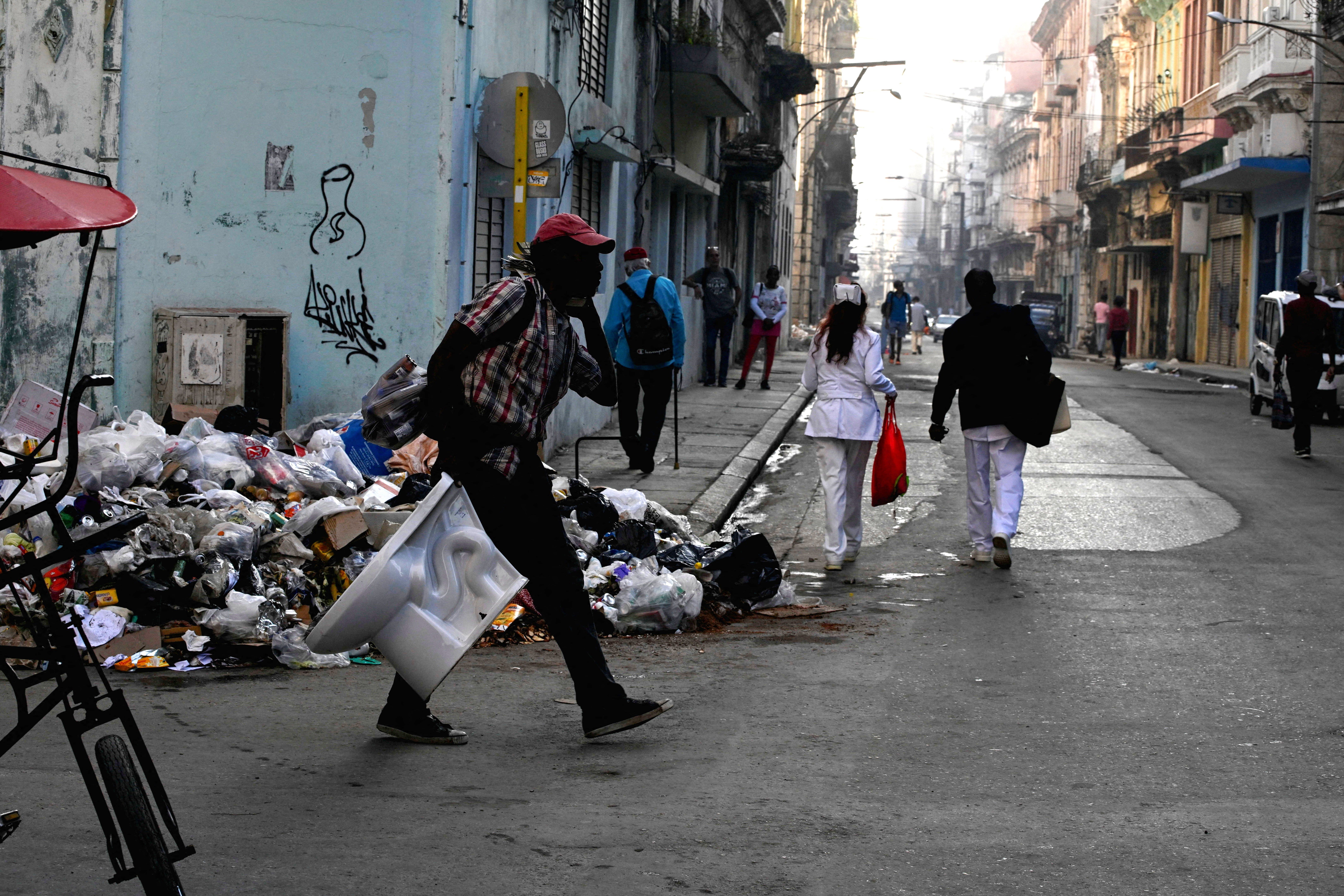
The pressure campaign has been building since January, when President Donald Trump signed an executive order declaring Cuba an “unusual and extraordinary threat” to US national security. The order, as the Washington Post reported, authorized tariffs on any country that delivers oil to the island – a mechanism designed to strangle Cuba’s energy supply by punishing its trade partners. The effects arrived quickly: fuel shortages, rolling blackouts, disruptions to food production, healthcare, and education across the island.
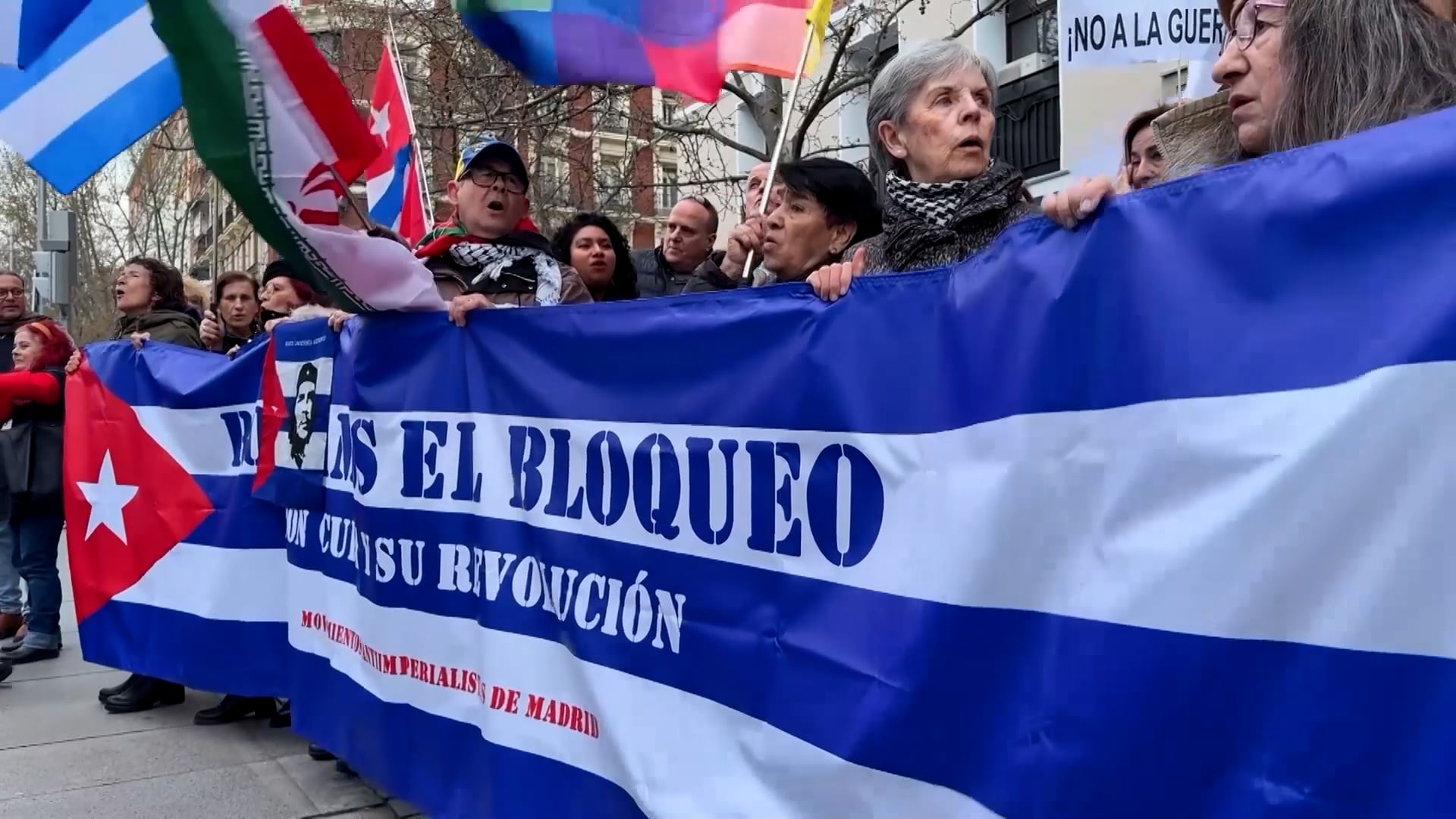
Spain has watched that deterioration from a particular vantage point. More than any other European government, Madrid carries the weight of a shared history with Cuba – colonial, cultural, economic – that gives its statements on the island a different register than those from Brussels or Berlin. When Albares received Cuban Foreign Minister Bruno Rodríguez Parrilla in Madrid in February, the two discussed humanitarian aid and the fate of Spanish companies operating on the island. Spain pledged to channel food and medical supplies through the UN system. That meeting, at Rodríguez Parrilla’s request, signaled something: Madrid had not withdrawn.
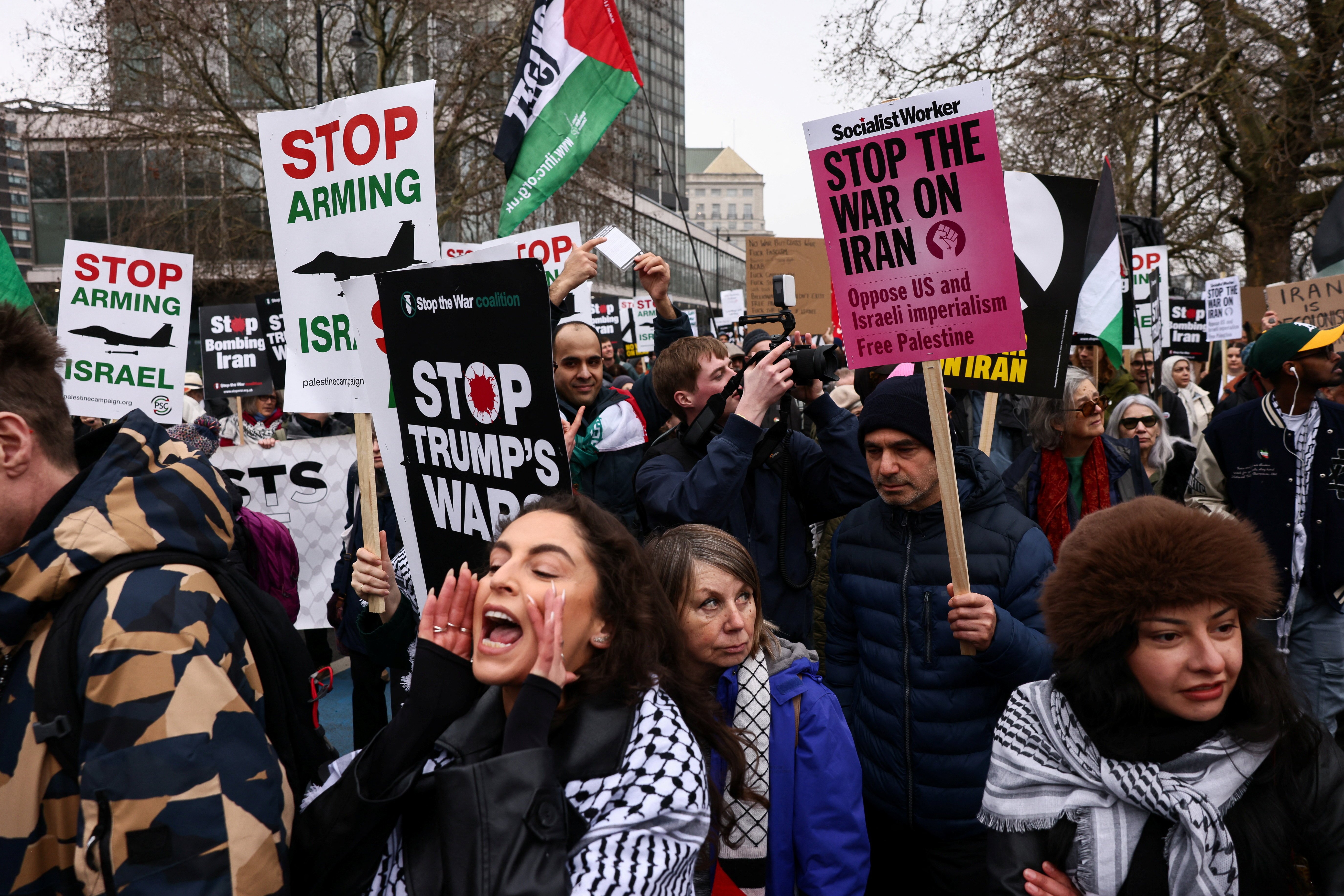
This is not the first time Albares has positioned Spain against Washington’s use of force in the region. When the Trump administration launched military operations against Iran in late February, the Sánchez government denied US forces the use of joint military bases at Rota and Morón – a decision that prompted Trump to threaten to cut off trade with Spain entirely. Albares flatly rejected a subsequent White House claim that Madrid had reversed its position. “Not a single comma has changed,” he told a Spanish radio programme at the time.
The Cuba statement, delivered to a global financial newspaper rather than a domestic audience, is calibrated differently. It is less a crisis response and more a pre-emptive declaration – an attempt to place Spain on the record before Washington’s next move, whatever that turns out to be.
What that move will be remains genuinely unclear. The Department of Justice unsealed an indictment of former Cuban President Raúl Castro in May, accusing him of murder related to the 1996 shootdown of two planes. CIA Director John Ratcliffe traveled to Havana that same month for talks, prompting Russia to raise the Cuba blockade directly in bilateral talks with Washington. Whether the administration’s endgame is negotiated regime change, economic collapse, or something harder is a question that not even senior US officials have answered on the record.
Albares did not specify what actions Spain would take in the event of military escalation – only that it would not accept one. Whether that position translates into coordinated European diplomatic pressure, formal censure at the UN, or something more consequential is the question his statement leaves open. He has been here before, drawing lines. The difference now is the geography. Cuba is not Iran. For Spain, Albares was at pains to make clear, it is something closer.
—Inputs from Sputnik.