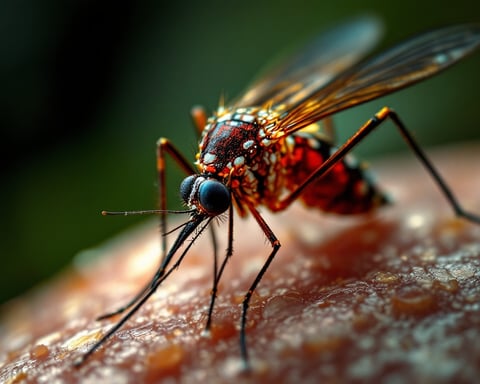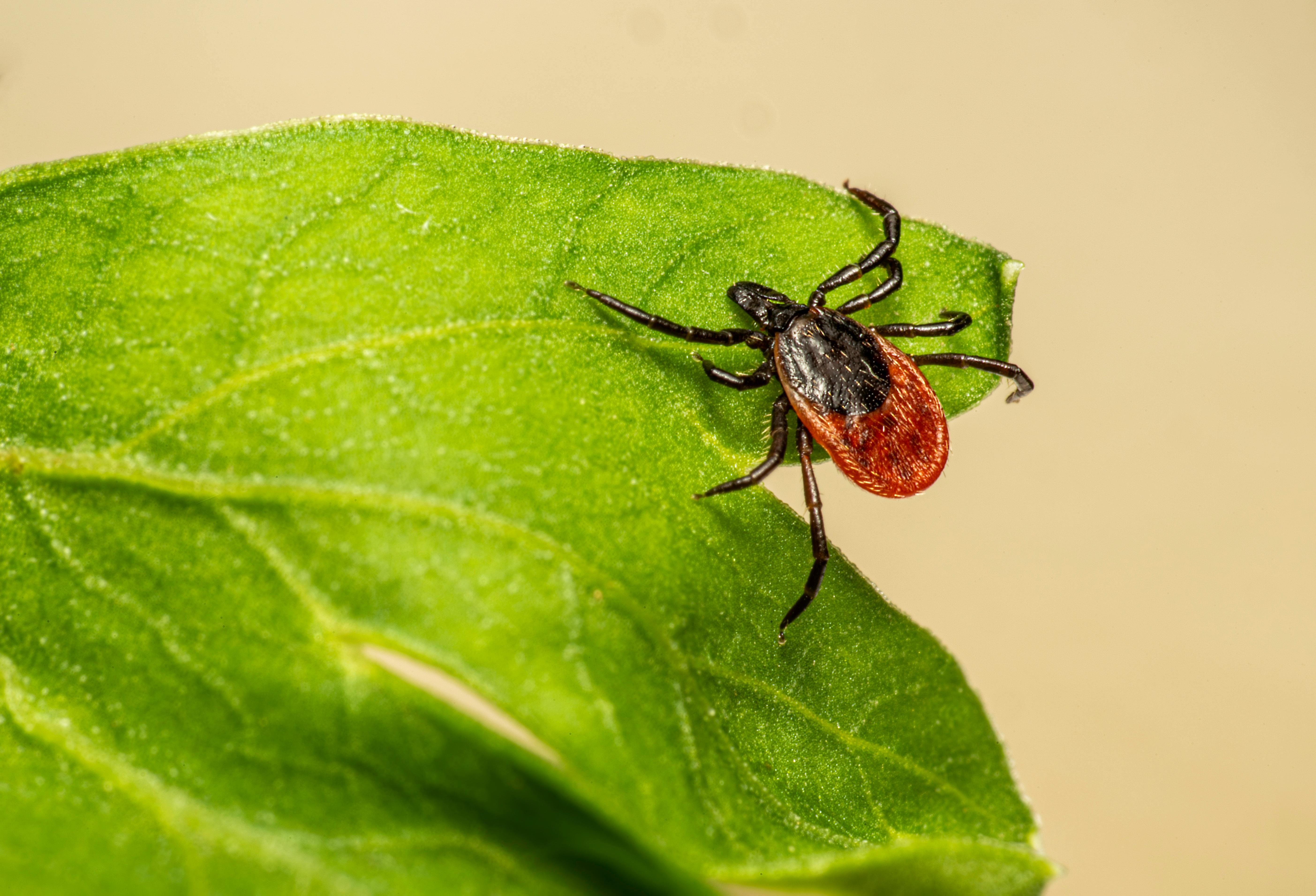
Something is different about this tick season. Emergency rooms from Maine to Minnesota are reporting one of the worst spring surges in nearly a decade, with doctors describing a pace that feels less like a seasonal uptick and more like a sustained wave. People are walking through their own backyards, hiking familiar trails, or letting their dogs off a leash at the park and coming home with an unwanted passenger one that can carry diseases ranging from Lyme to a little-known allergy that can make eating red meat dangerous for life.
The numbers back up what doctors are seeing on the ground. The Centers for Disease Control and Prevention issued an advisory in late April warning that emergency room visits for tick bites are running at their highest level since 2017, with every region of the country except the South Central states recording elevated rates. In the Northeast, the hardest-hit region, ER visits reached 73 per 100,000 emergency department visits by the first week of May, a number that is still climbing. In the Midwest, tick-related ER visits nearly doubled compared to the same stretch last year.
“If you have a lot of exposures, there will probably be more cases of tick-related infections,” said Dr. Alina Filozov, an infectious disease physician at Middlesex Hospital in Middletown, Connecticut. Researchers at Purdue University Extension put it even more plainly. “So far it’s looking like we are going to be having the most tick activity we’ve had in the past decade,” said Cora Hill of Purdue Extension Allen County.
Why This Year Is Especially Bad
The explanation starts with the weather. Ticks thrive in warm, humid conditions and struggle to survive the hard freezes of deep winters. This past winter across much of the United States was mild enough that tick populations did not experience the kind of natural die-back that keeps their numbers in check. Public health officials are now projecting a 15 to 20 percent increase in tick populations nationwide for 2026 compared to prior years, driven by favorable environmental conditions, milder winters, and an expanding habitat for blacklegged ticks, the primary carriers of Lyme disease.

A surge in white-footed mouse populations, one of the primary hosts for blacklegged ticks, has also contributed to the problem, providing more opportunities for juvenile ticks to feed and become infected with disease-causing pathogens before they ever bite a human. The tick crisis is part of a broader pattern of vector-borne diseases gaining ground across the United States as climate and wildlife dynamics shift.
A Web of Diseases, Some of Them Hidden
Ticks are not simply a nuisance. They are vectors for a growing list of illnesses, several of which can cause long-term disability if not caught early. The most well-known is Lyme disease, a bacterial infection caused by Borrelia burgdorferi that can spread to the joints, heart, and nervous system if left untreated. Public health experts believe close to 500,000 Americans contract Lyme disease each year, though reported cases have historically undercounted the true toll.
Beyond Lyme, ticks in different parts of the country carry the bacteria responsible for Rocky Mountain spotted fever, a disease that can be rapidly fatal without treatment, as well as ehrlichiosis, anaplasmosis, tularemia, and babesiosis. “The most famous tick is the deer tick, which is actually the smallest tick out of all the culprits, and that can spread things like Lyme disease, which can be quite serious for people,” said Ricky Kemery, a retired Purdue Extension educator. “American dog ticks, they’re always around. They can spread Rocky Mountain spotted fever. There are all kinds of different diseases that ticks carry.”
One disease is drawing particular alarm from clinicians this year. Alpha-gal syndrome, a tick-triggered allergy to red meat and dairy, is being diagnosed with increasing frequency as the Lone Star tick expands its range northward. When a Lone Star tick bites a person, it can inject a sugar molecule called alpha-gal into the bloodstream. The human immune system, which does not naturally produce this molecule, may mount an allergic response, sometimes severe, the next time the person eats beef, pork, or lamb. In a small number of cases, the reaction can be life-threatening. Unlike most tick-borne infections, alpha-gal syndrome has no cure, and for some patients it becomes a lifelong condition.
Healthcare providers warn that tick-borne illness often mimics the flu in its early stages, making diagnosis easy to miss, a challenge also seen with other hard-to-detect infections that health agencies are currently tracking. “The first symptoms are like skin. You have a skin rash, and people also come with fever, joint pain, pretty much like the flu,” said Sultana Saber, a nurse practitioner at Lutheran Health Network in Indiana. “When we suspect tick disease, we start treatment with an oral antibiotic, and if they are not being treated, it might progress.”
What an Infected Tick Bite Looks Like
One of the most dangerous aspects of Lyme disease is that the tick responsible, the blacklegged deer tick in its nymphal stage, is roughly the size of a poppy seed. It is so small that most people who contract Lyme disease never even know they were bitten. The peak period for nymphal tick activity runs from mid-May through mid-July, meaning the next several weeks represent the highest-risk window of the entire year.
Early symptoms of Lyme disease typically appear within three to thirty days of a bite and often include a characteristic bullseye rash, fatigue, fever, headache, and joint pain. But the rash does not appear in every case, and the other early symptoms are easily confused with a summer cold or viral illness. Infection that goes untreated can eventually cause facial nerve paralysis, heart rhythm irregularities, and severe arthritis. For this reason, anyone who has spent time in tick habitat and develops an unexplained fever or rash should contact a healthcare provider and mention the possibility of tick exposure.
For Rocky Mountain spotted fever, the timeline is even more urgent. The disease can progress rapidly and becomes life-threatening if antibiotics are not started early. Symptoms typically begin within three to twelve days of a bite and include sudden fever, severe headache, nausea, and a non-itchy rash that usually starts on the hands and feet before spreading to the trunk of the body.
How to Protect Yourself and Your Family
Prevention remains the most reliable defense. Public health officials and pest management experts agree on a core set of steps that can significantly reduce the chance of a tick bite.
Using an EPA-approved insect repellent containing at least 20 percent DEET on exposed skin is one of the most effective individual measures available. Permethrin, which is applied to clothing rather than skin, provides an additional layer of protection and retains its effectiveness through multiple washes. Wearing light-colored, long-sleeved shirts and pants tucked into socks makes ticks easier to spot and harder to reach. Staying on the center of trails and avoiding tall grass, leaf litter, and overgrown vegetation reduces the chances of a tick latching on in the first place.
After any time outdoors, a thorough full-body tick check is essential. Ticks favor warm, hidden spots on the body: behind the knees, in the groin area, under the arms, around the ears, inside the belly button, and along the hairline and scalp. Children and pets should be checked as carefully as adults, since dogs and cats can carry ticks inside the home without showing any sign of a bite themselves. Showering within two hours of coming indoors can help dislodge ticks that have not yet attached. Public awareness of how undetected illness can quietly escalate applies equally here; tick-borne infections caught late are far harder to treat.
“Knowing where ticks lurk, how to prevent exposure and how to reduce their numbers around your home can make all the difference in staying safe and healthy this season,” said Jim Fredericks, vice president of public affairs for the National Pest Management Association.
Making Your Yard Safer
Ticks do not only lurk on hiking trails. They thrive in shaded, moist areas close to homes along fence lines, near woodpiles, under leaf piles, and at the edges of lawns where maintained grass meets untended vegetation. Research has consistently shown that a significant proportion of tick bites occur in residential settings, not remote wilderness.
Reed Findlay, a University of Idaho Extension educator who has fielded a surge of calls about tick encounters this season, recommends a series of simple modifications around the home. Regular lawn mowing keeps grass short and reduces tick habitat. Trimming weeds near fences and foundations removes the shaded, humid microenvironments that ticks favor. A three-foot barrier of wood chips or gravel placed around play areas, patios, and other high-use outdoor spaces can act as a buffer zone. Firewood should be stacked neatly away from the house, and anything that might attract deer, raccoons, or stray animals to the yard primary hosts for adult ticks should be secured or removed.
If You Find a Tick Attached to Your Skin
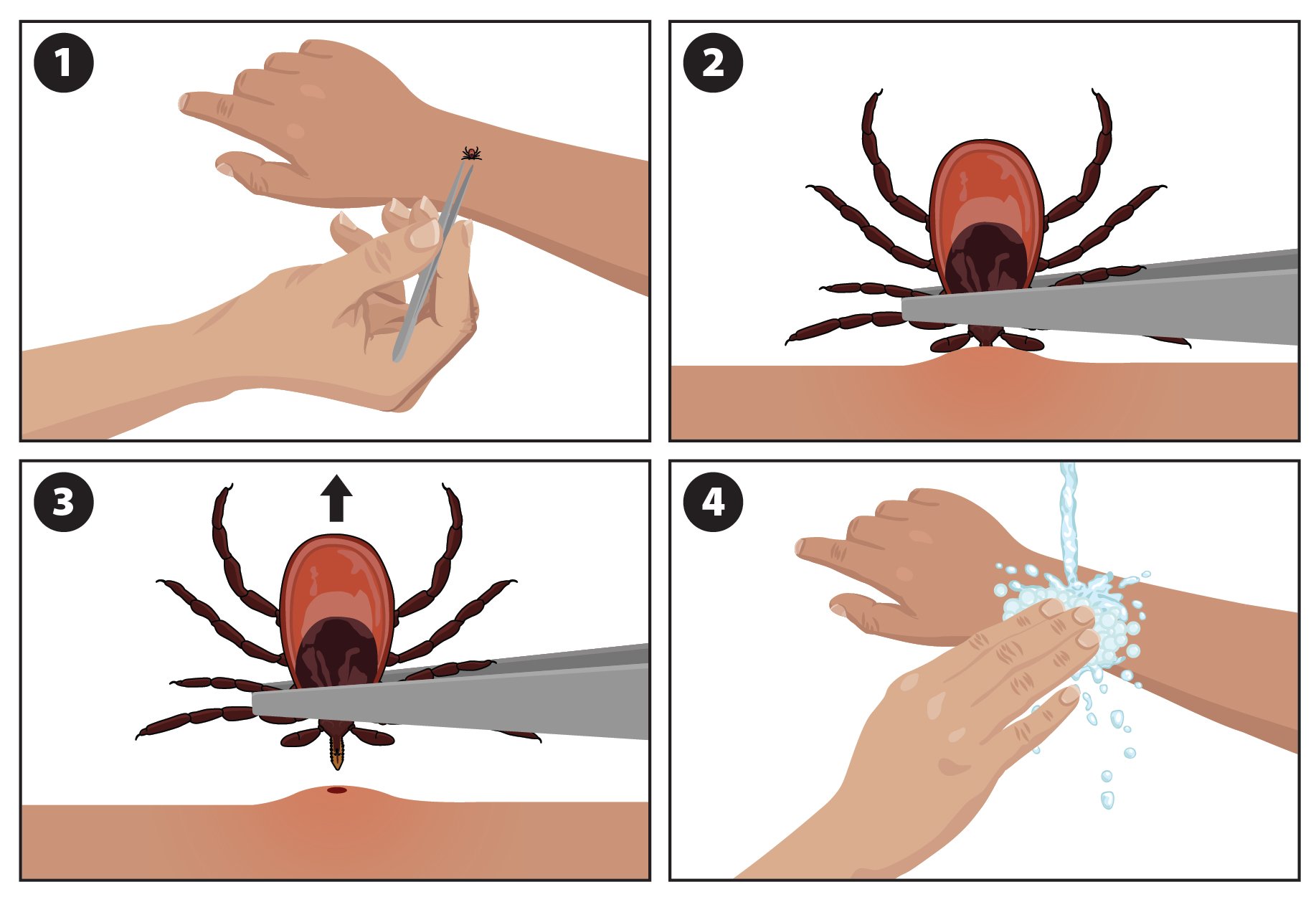
The correct technique is to use fine-tipped tweezers, grasping the tick as close to the skin surface as possible and pulling upward with steady, even pressure. Twisting or jerking the tick increases the risk of leaving mouthparts embedded in the skin. Folklore remedies, such as petroleum jelly, nail polish, or a lit match, should be avoided entirely, as they can cause the tick to regurgitate infectious material into the wound. After removal, the bite site should be cleaned with rubbing alcohol or soap and water.
“Whatever you do, don’t grab the tick by the backside,” Findlay said. “It should be removed as close to the skin as possible to avoid leaving the mouthparts embedded in the skin.”
Anyone who develops a rash, fever, fatigue, or joint pain in the days or weeks following a tick bite should seek medical attention immediately and tell the provider about the bite. Early medical intervention is the decisive factor in determining outcomes across a wide range of infectious conditions; tick-borne illness is no exception.
The Broader Warning
The 2026 tick surge is not happening in isolation. It is part of a longer-term pattern in which warming temperatures are reshaping the landscape of vector-borne disease in the United States. The geographic range of disease-carrying ticks has expanded steadily over the past two decades, and public health researchers warn that without sustained investment in tick surveillance, habitat management, and public awareness, the burden of tick-borne illness will continue to climb.
“As we move into the warmest part of the year, tick activity will only intensify,” Fredericks said. For the tens of millions of Americans who will spend the coming weeks outdoors in backyards, parks, campgrounds, and on hiking trails, the message from public health officials this summer is direct: the ticks are out earlier, there are more of them, and they are carrying more diseases than at any point in recent memory. The precautions are simple. The window to act is now.