WASHINGTON — The question before Marco Rubio on Tuesday was not whether the United States believes in sanctioning Russian oil. It does. The question, the secretary of state told the Senate Foreign Relations Committee, is only when Treasury will let the policy fully resume.
“We would end it as soon as you possibly can,” Rubio said when pressed on Washington’s repeated renewals of sanctions waivers allowing Russian crude to reach global markets. The decision, he noted, sits with the Treasury Department, not with State. “It depends on the circumstances at the time.”
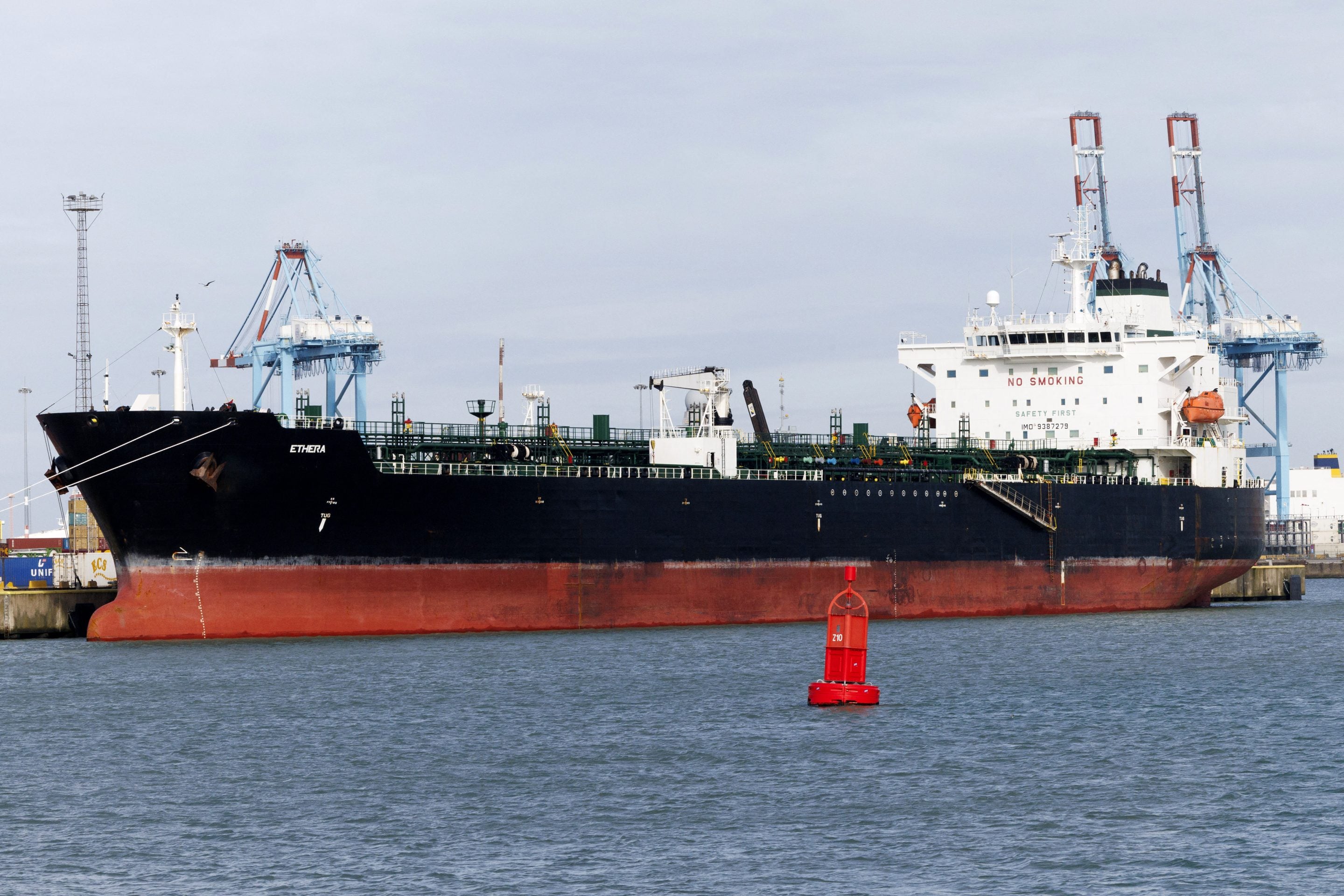
The waivers, first issued in March after oil prices spiked above $100 per barrel in the wake of U.S.-Israeli strikes on Iran, were designed as a stopgap. OFAC enforcement has continued on other Russia-related violations throughout the period, but the executive branch drew a line around seaborne crude, authorizing purchases of Russian oil already loaded on tankers. Two 30-day waivers followed, one in March and a second in April. A third extension ran until June 17.
Rubio’s testimony was direct on intent if deliberately vague on timing. The “underlying policy of this country,” he said, “has been to sanction their oil.” The waivers exist, in his framing, not as a relaxation of that policy but as a temporary supply measure — a way to route oil toward energy-vulnerable nations while the Strait of Hormuz situation remained volatile. They are not, he suggested, a concession to Moscow.
That framing has not satisfied critics in both parties. A group of fourteen Senate Democrats sent a letter to Treasury Secretary Scott Bessent and Energy Secretary Chris Wright two weeks ago demanding the waivers be allowed to expire. Democratic senators Jeanne Shaheen and Elizabeth Warren had called the May extension an “indefensible gift” to Vladimir Putin, Reuters reported. Their argument: every additional dollar flowing from Russian crude sales funds the war in Ukraine, regardless of where in the world that crude lands.
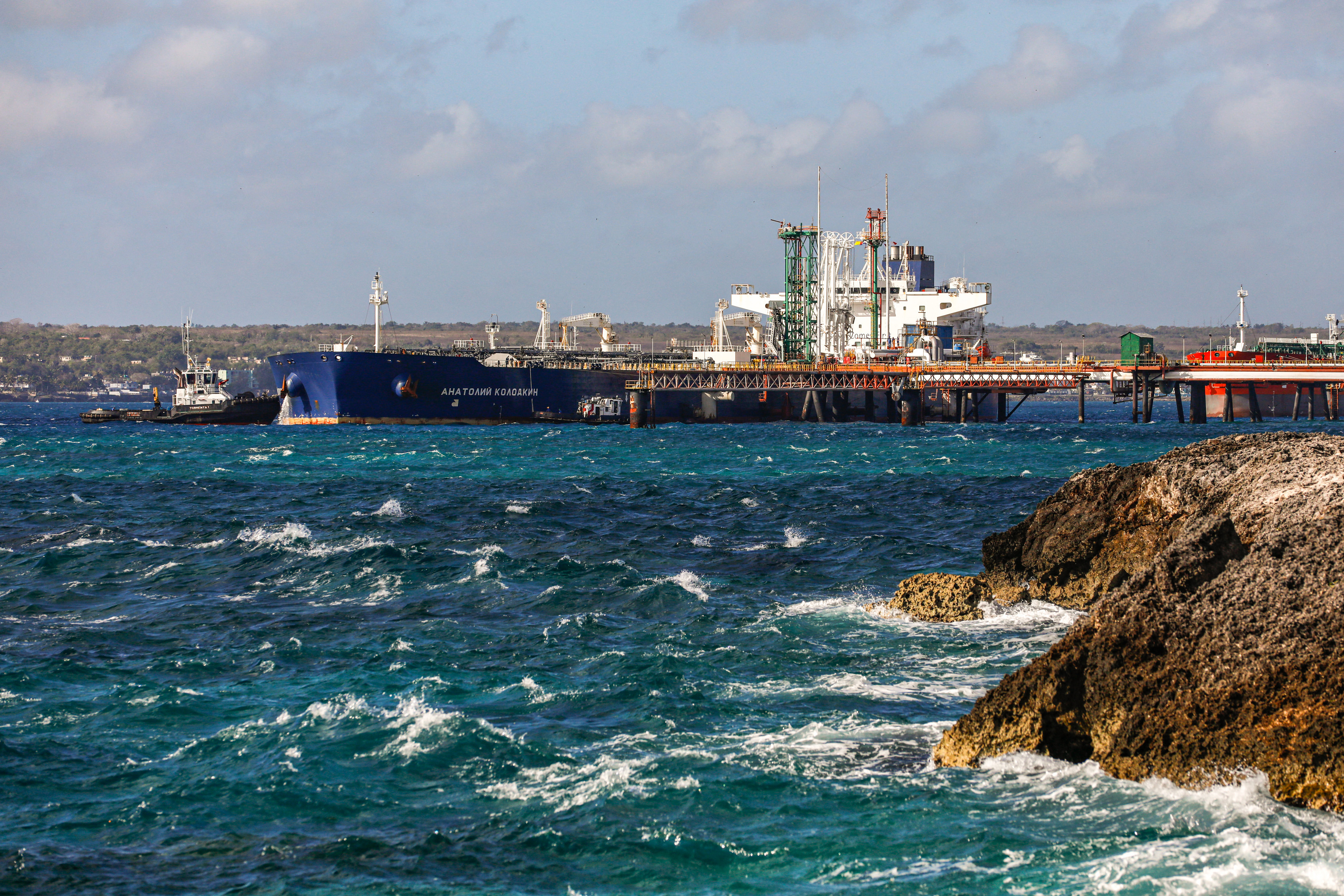
The arithmetic is not trivial. According to Al Jazeera, Russian crude exports rose by 250,000 barrels per day in April, reaching 4.9 million barrels per day, based on International Energy Agency data. The waivers touched a subset of that flow — tanker-loaded cargoes that would otherwise have been in legal limbo — but critics argue that even limited relief reduces pressure on the Kremlin at precisely the moment maximum pressure is meant to matter.
Bessent, for his part, framed the May extension in logistical terms. The waiver would “help stabilize the physical crude market and ensure oil reaches the most energy-vulnerable countries,” he wrote, adding that it would reduce China’s ability to stockpile discounted Russian oil by rerouting supply toward more exposed buyers.
Whether that argument survives the current moment is less certain. The Strait of Hormuz situation that originally drove oil above $100 has since changed, and the political pressure from European allies who view Russian sanctions as a cornerstone of the pressure campaign against Moscow has only grown. Rubio has spent much of the past week before the Senate, fielding questions that reveal the gap between Washington’s stated positions and the options it has actually been willing to use.
On Russian oil specifically, there is at least a stated direction. The waivers will end, Rubio said. How soon is Treasury’s call.
What remains unanswered is whether that answer will satisfy senators on either side — or whether the June 17 expiration date becomes yet another renewal.
— Input From Sputnik.