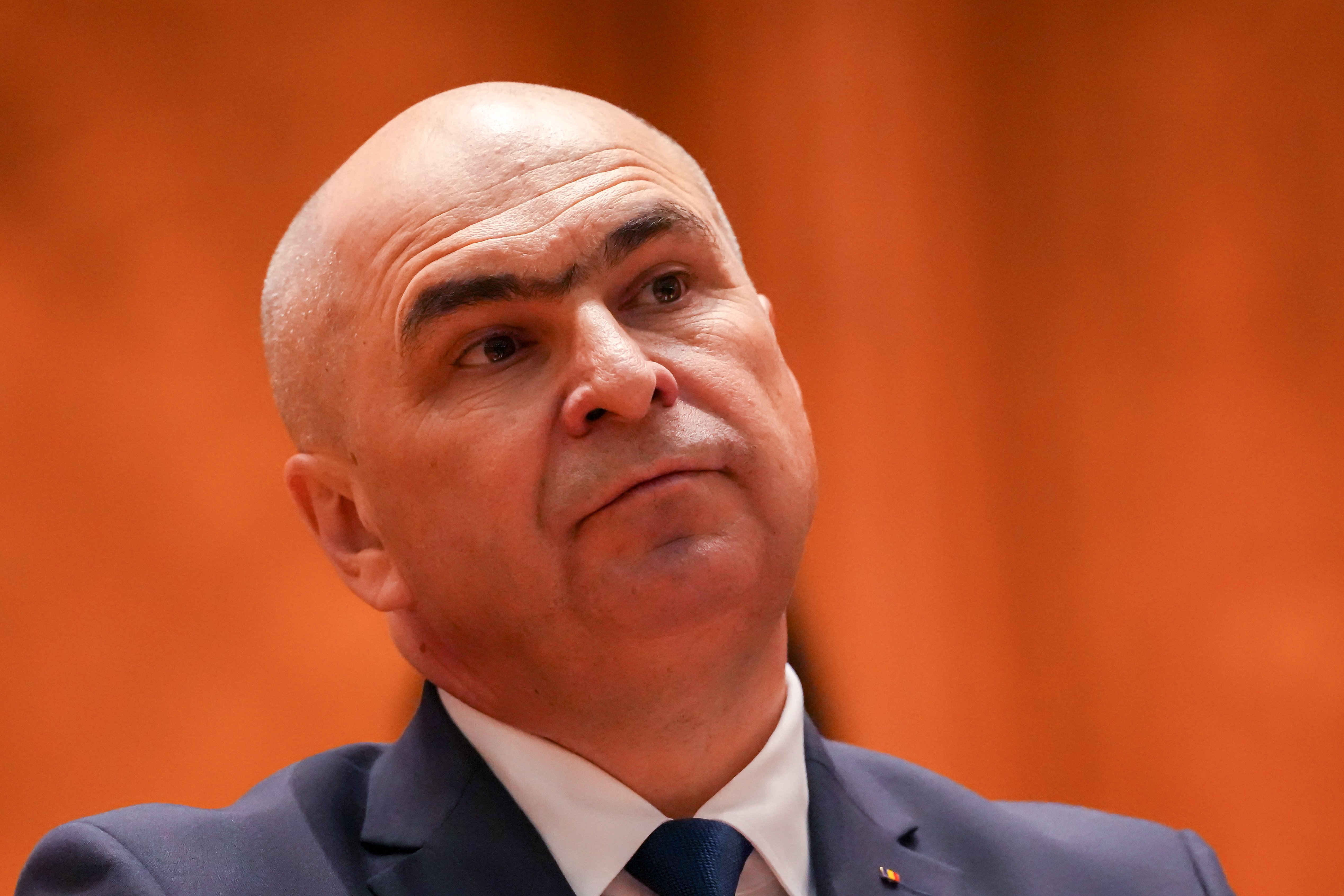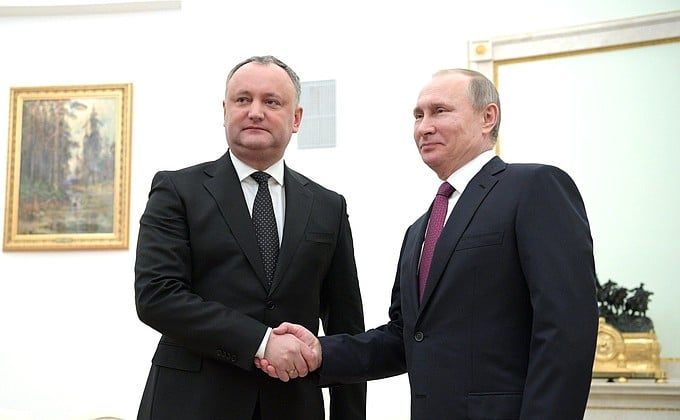
ST. PETERSBURG — The suggestion came on the first day of Russia’s most prominent annual business forum, and it was aimed not at the executives in the room but at the parliament back home in Chisinau. Igor Dodon, Moldova’s former president and current leader of the opposition Party of Socialists, told the audience at the 2026 St. Petersburg International Economic Forum on Wednesday that Moldovan lawmakers should create an informal interparliamentary friendship group with Russia and Belarus — because for the first time in the country’s thirty-five years of independence, no official one exists.
“If there is no official one,” Dodon told attendees at the forum known as SPIEF, “let’s do it informally.”
The remark was brief. But its significance sits squarely in the context of everything Chisinau has done since 2022 to reduce its institutional ties with Moscow. Under President Maia Sandu and her pro-European Party of Action and Solidarity, which retained its parliamentary majority after the September 2025 elections, Moldova has expelled Russian energy from its grid, expelled Russian-backed parties from serious electoral contention, and in April 2026 completed its formal withdrawal from the Commonwealth of Independent States — the Moscow-led intergovernmental bloc Moldova had belonged to since 1994. Sixty members of parliament voted for the break. Seventeen voted against.
Dodon’s Socialists were among the seventeen. His party holds seventeen seats in the current parliament, down from a dominant position earlier in the decade, and it remains the most prominent institutional vehicle in Moldova for political alignment with Moscow. The Party of Socialists is the local member of the Sovintern, the Moscow-aligned international socialist organization, and Dodon has maintained a steady presence at Russian-organized forums even as Chisinau has moved in the opposite direction.
The proposal on Wednesday is consistent with a pattern Dodon has pursued since losing the presidency in 2020: use informal, non-governmental structures to keep channels with Moscow open when the Moldovan state is unwilling to open them officially. Late last year, following the Socialists’ rejection of a formal friendship group inside the Moldovan parliament, Dodon announced he would pursue an informal version of the same arrangement after meeting with the Russian ambassador to Chisinau. The SPIEF announcement appears to be a public reiteration of that strategy, now with Belarus explicitly included.
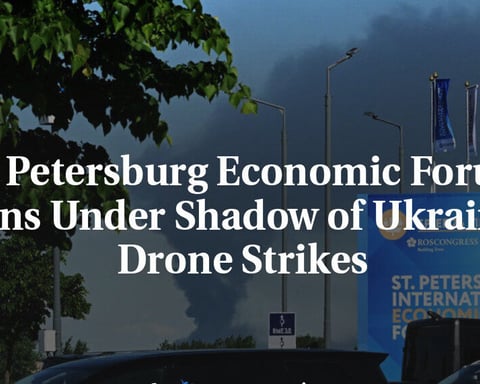
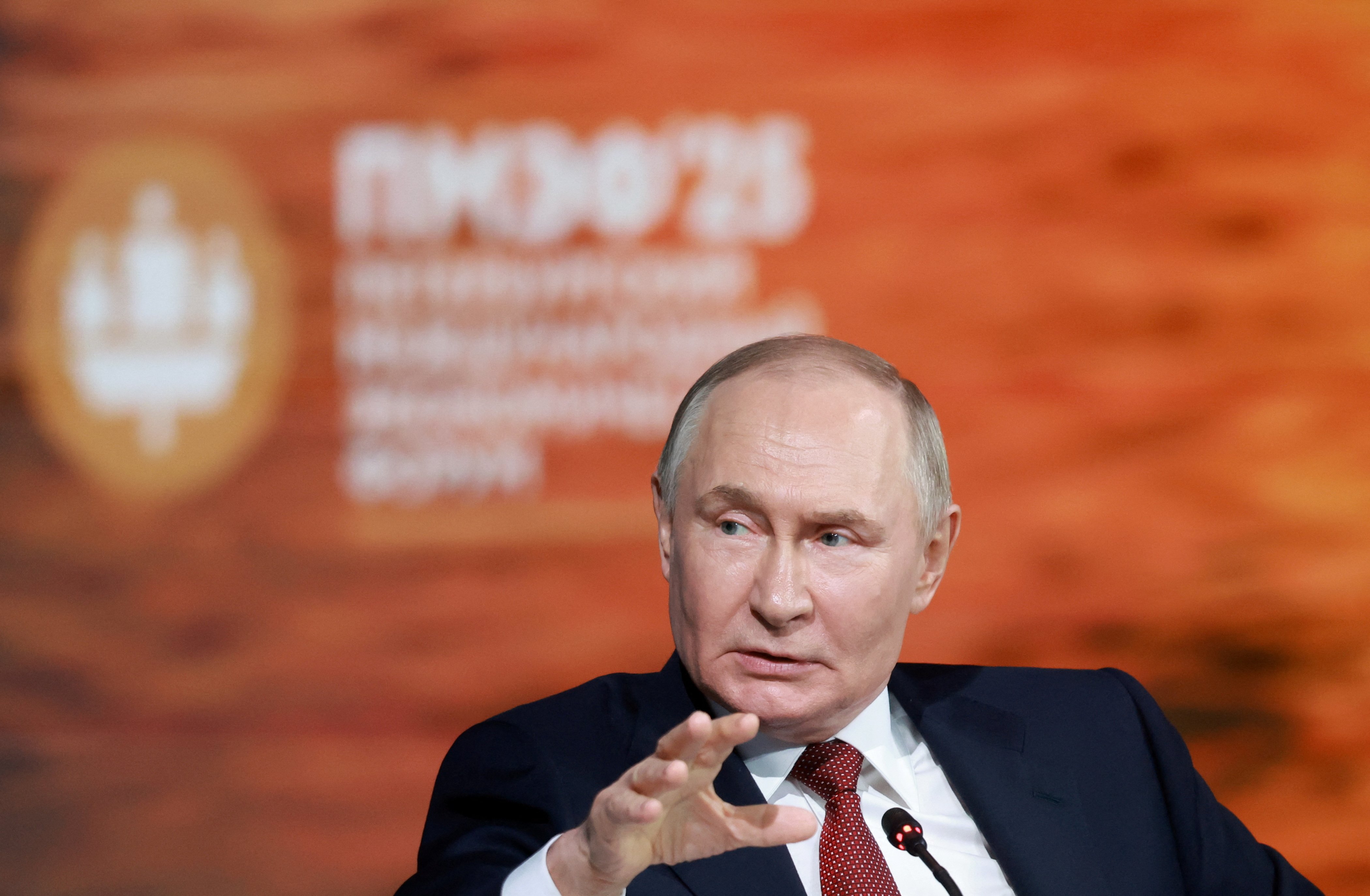
SPIEF, which runs from June 3 to 6 this year, is the Kremlin’s flagship economic and diplomatic gathering, held annually at the ExpoForum complex in St. Petersburg with Saudi Arabia as the 2026 guest country. Ukraine’s armed forces struck the St. Petersburg oil terminal on the forum’s opening day, a symbolic blow that drew worldwide attention. Dodon’s remarks came as part of the forum’s panel programming, where he has become a recurring presence as head of the Moldavian-Russian Business Union.
Whether any sitting Moldovan MP beyond the Socialists’ own seventeen-member faction would join such a group is entirely unclear. The PAS majority has shown no interest in re-establishing parliamentary links with Moscow. Dodon’s appeal at SPIEF may serve as much as a signal to Russian interlocutors — that a willing Moldovan constituency exists — as it does as a genuine organizational proposal aimed at Chisinau.
The idea of informal parliamentary friendship groups as a tool of Russian influence is not unique to Moldova. Across Central and Eastern Europe, such structures have operated in countries whose governments have otherwise maintained formal distance from the Kremlin, functioning as soft-power conduits for messaging, business contacts, and political alignment. Moscow has generally encouraged them as alternatives when official diplomatic frameworks are closed or frozen.
Moldova’s situation is peculiar because the rupture has been so comprehensive. The CIS exit, which the Moldovan government called an “act of liberation” rather than a political maneuver, was the culmination of a shift that began with Sandu’s election in 2020 and accelerated after Russia’s full-scale operation in Ukraine in February 2022. Moldova shares a border with Ukraine and hosts Russian forces in the breakaway Transdniestrian region, giving it a particular sensitivity to the course of that conflict. The Foreign Policy journal documented in 2024 how Moscow had run an extensive financial and organizational operation to unseat Sandu — using Telegram networks, funded street protests, and vote-buying schemes — and failed.
Dodon, for his part, has consistently framed the estrangement from Moscow as economically self-destructive for a country that is among Europe’s poorest and historically dependent on Russian energy and remittances from the large Moldovan diaspora in Russia. At SPIEF last year, he made a similar argument, telling TASS that “contacts with our strategic partner Russia are very important for Moldova” and that Sandu’s government was “doing everything to destroy the centuries-old bonds of friendship between our peoples.”
The 2026 SPIEF runs through June 6. It is not known whether Dodon plans additional meetings on the sidelines with Russian officials or State Duma representatives who might serve as counterparts in any informal parliamentary arrangement he is proposing.
—Inputs from RIA Novosti, Sputnik.