NEW YORK — Germany arrived at the 80th session of the United Nations General Assembly on Tuesday with a straightforward goal: a seat at the most powerful table in multilateral diplomacy. It left without one.
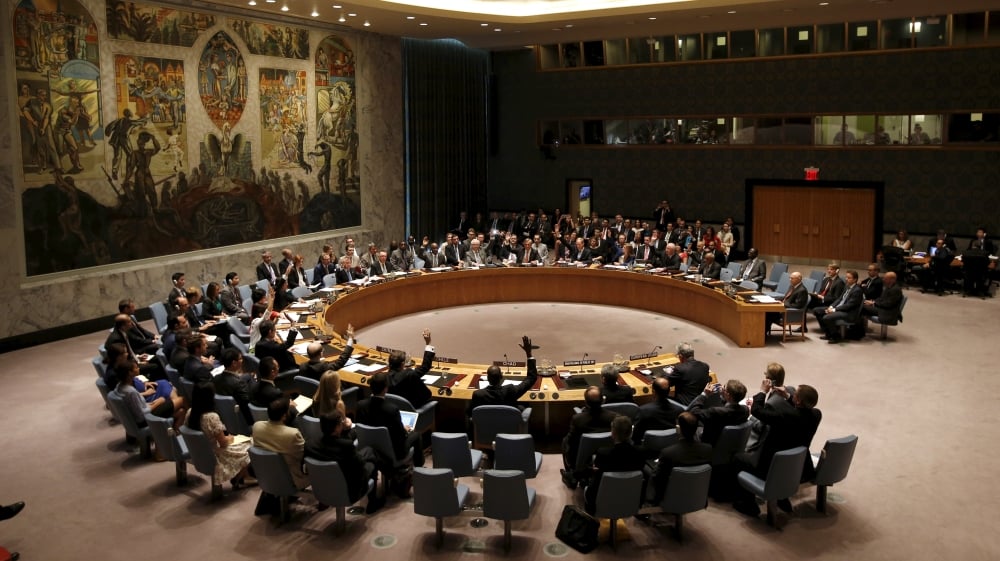
The General Assembly elected four new non-permanent members of the UN Security Council on Wednesday — Austria, Portugal, Zimbabwe, and Trinidad and Tobago — but failed to fill a fifth seat after the contest between the Philippines and Kyrgyzstan deadlocked through multiple rounds of voting, according to RIA Novosti. The Assembly adjourned with that seat unresolved, and voting was set to continue.
Germany’s defeat in the Western European and Others Group was the sharpest result of the day. Three countries — Austria, Germany, and Portugal — had campaigned for two available seats. Austria and Portugal secured them; Germany did not. Berlin had mounted a serious diplomatic campaign for the position, one that would have placed it inside the Council’s deliberations precisely as the war in Ukraine dominates the body’s agenda and European security arrangements face their deepest stress in decades.
The stakes were not modest. According to the Security Council Report, a significant proportion of the Council’s meetings in 2025 and the first five months of 2026 focused on Ukraine, the Palestinian question, Sudan, the Democratic Republic of Congo, and Iran-related and non-proliferation issues. WEOG candidates had each staked out distinct positions on these dossiers. Austria and Portugal persuaded enough of the 193-member General Assembly to back them. Germany did not — the result determined by secret ballot, where quiet vote-trading and regional solidarity often override the public posturing of the campaign trail.
Austria has held a Council seat before; so has Portugal. For both, winning amounted to a reaffirmation of European middle-power diplomacy at a moment when the Council’s permanent Western member, the United States, has been erratic in its multilateral commitments. The Trump administration’s approach to the UN has left allies guessing, and elected members carry more symbolic weight when the permanents are less predictable.
Zimbabwe’s election for the African Group seat was uncontested, as was Trinidad and Tobago’s for the Latin American and Caribbean Group slot. The four newly elected states will replace Denmark, Greece, Pakistan, Panama, and Somalia — alongside whichever country wins the still-unresolved Asia-Pacific seat — when terms expire on December 31, 2026. Their mandates run from January 1, 2027, through the end of 2028.
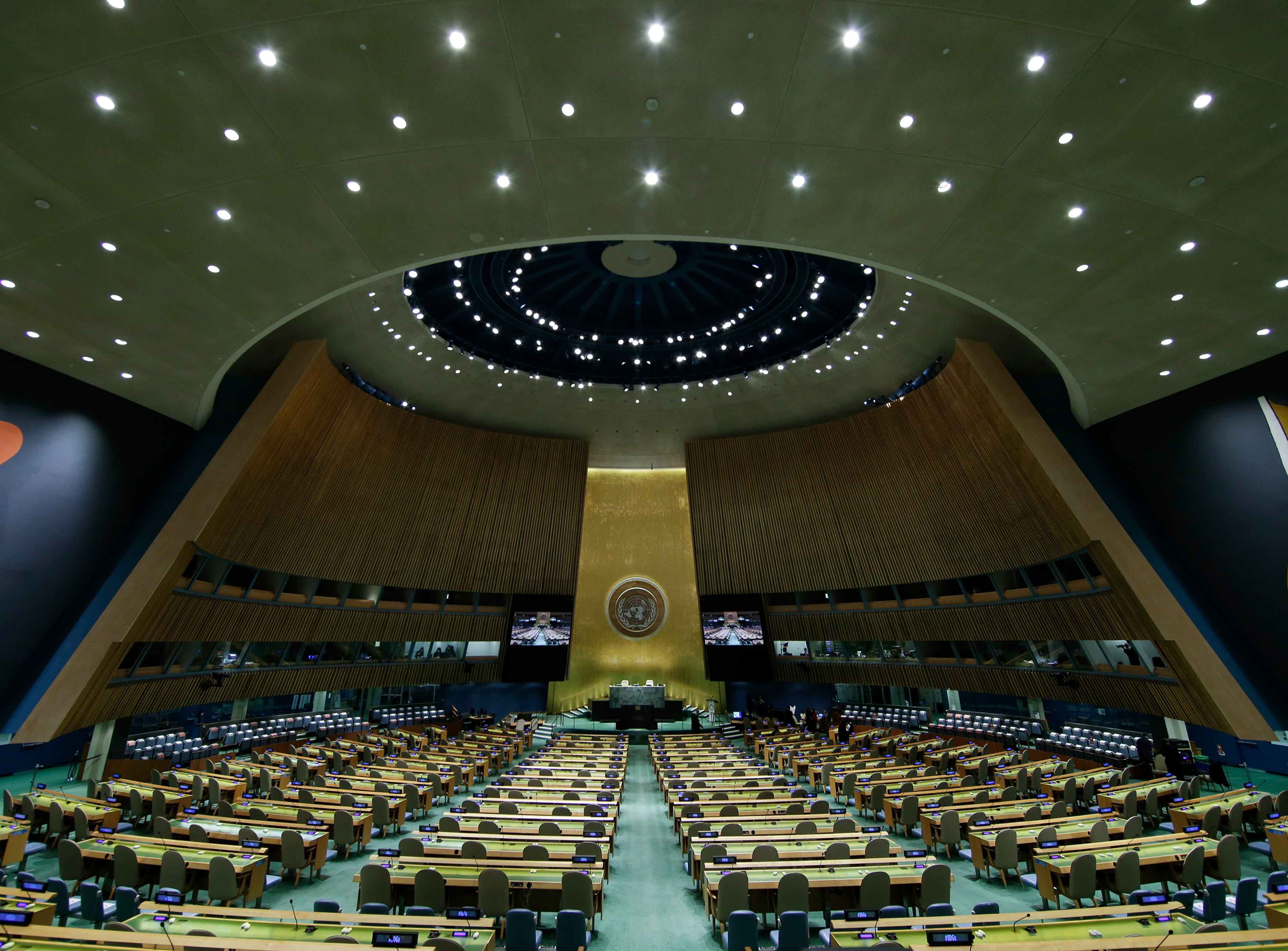
The Asia-Pacific seat produced the day’s unfinished business. Manila had entered the vote as the strong favourite: Philippine Permanent Representative Enrique Manalo had spent months touring capitals, and the country’s ambassador described an 80-year record of contributions to UN peace and security operations. But Kyrgyzstan, which has never served on the Council, mounted a late campaign framing its bid as a push for greater representation of small and landlocked states — and the race tightened. Neither country secured the two-thirds majority required for election, leaving the General Assembly without a full set of results for the first time in this cycle’s voting. Further ballots were expected.
The outcome matters beyond the procedural delay. Asia Times reported that the Philippines-Kyrgyzstan contest had become a proxy for a broader question about where the UN locates its geopolitical centre of gravity: toward the Indo-Pacific, whose security architecture is under pressure from the South China Sea to the Taiwan Strait, or toward Central Asia and Eurasia, where smaller states argue their interests have historically gone unheard in the Council chamber. The vote totals, when eventually disclosed, will offer some indication of how regional blocs are aligning.
The Council’s ten non-permanent seats rotate among regional groups. Bahrain, Colombia, the Democratic Republic of Congo, Latvia, and Liberia retain their current seats and will sit alongside the four new members and whoever wins the outstanding Asia-Pacific contest. The five permanent members — China, France, Russia, the United Kingdom, and the United States — hold their seats with veto power, regardless of how the elected membership shifts around them.
The unresolved Asia-Pacific seat reflects a structural reality the Council’s critics have long identified: the election mechanism has no time limit, no run-off, and no means of forcing a decision in a single session. When regional groups fail to agree internally, the General Assembly inherits a contest that can drag across multiple days and dozens of ballots. The 2026 vote joins a short list of contested elections that ran beyond the first round.
What the day confirmed beyond the procedural drama was that Germany’s bid for a voice inside the Security Council at this particular moment in European history had run its course. The Council that assembles in January 2027 will do so without Berlin at the table.
—Inputs from RIA Novosti, Sputnik.