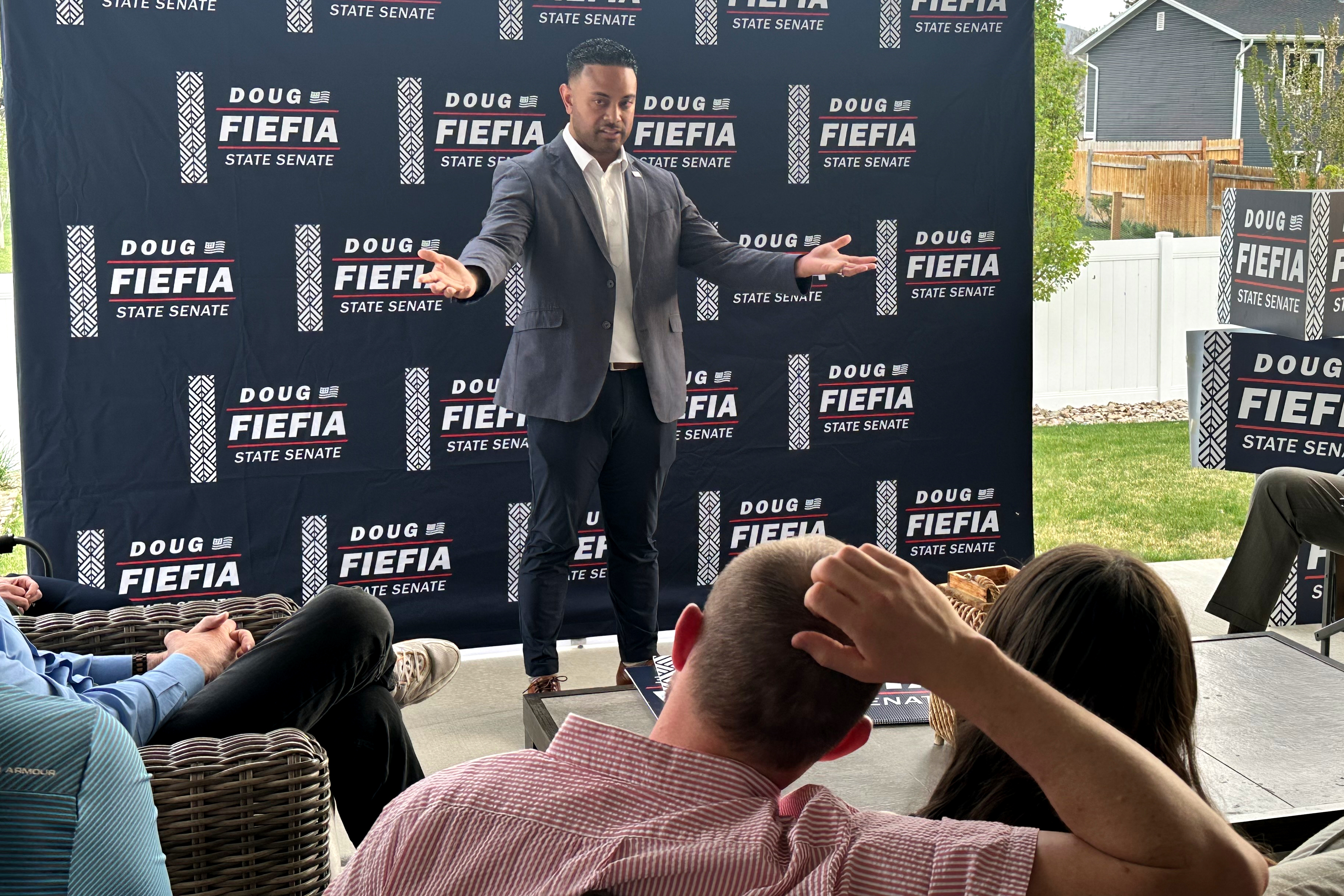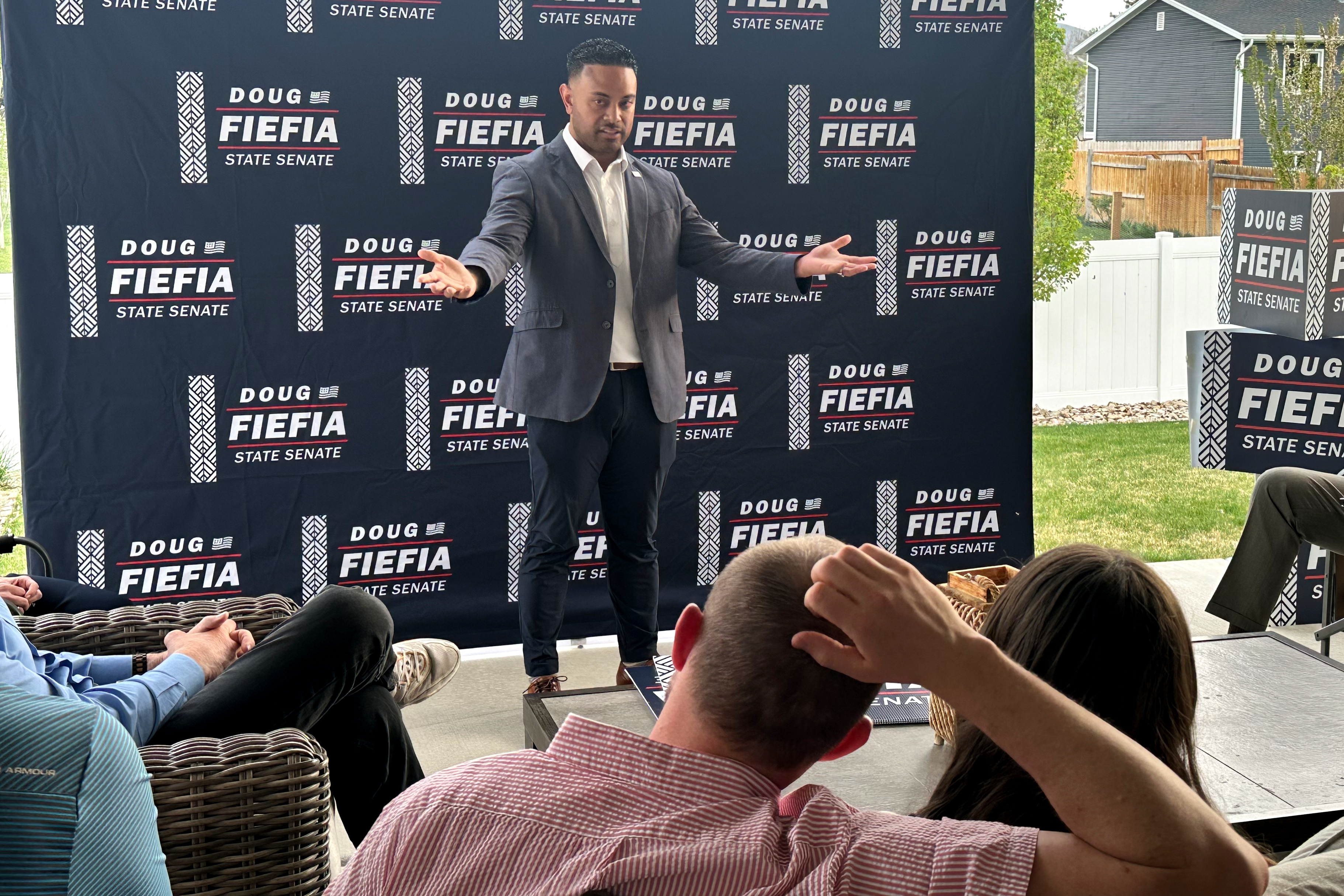
SALT LAKE CITY — The most instructive number from Utah’s April nominating convention wasn’t a margin of victory. It was a threshold that barely held. In Senate District 18, state Rep. Doug Fiefia got 58.4 percent of Republican delegate votes — enough to send him to the June 23 primary, but just short of the 60 percent needed to knock Sen. Dan McCay off the ballot entirely. McCay survived on a fraction. Now, with three weeks until voters decide, the question hanging over the Wasatch Front’s most-watched legislative primary is whether party delegates were a leading indicator or an outlier.
McCay, a Riverton Republican who has served in the Utah Legislature since 2012 and in the Senate since 2019, entered this cycle under unusual circumstances. He had previously suggested he would not seek reelection — contingent on his wife, Tawnee, winning the Riverton mayoral race in November 2025. She lost, and McCay reversed course, citing encouragement from mayors across the district and from legislative colleagues. The reversal gave Fiefia an opening, and Fiefia, a first-term representative from Herriman who once worked in technology sales and previously at Google before launching his own construction company, walked through it.
The race has coalesced around competing definitions of what a Republican state senator is actually for in 2026. McCay, speaking to the Salt Lake Tribune ahead of the primary, framed his candidacy around affordability and anti-corruption themes — the bread-and-butter of a multi-term incumbent defending a record built across more than a decade in the Capitol. Fiefia, by contrast, has made artificial intelligence regulation the unusual centerpiece of a state Senate campaign, a choice that positions him directly against the Trump administration’s posture on the issue and, by extension, against McCay’s instincts on government’s proper relationship to technology.
That collision has produced some of the year’s more revealing exchanges in Utah politics. Fiefia sponsored legislation this session that would have required AI companies to incorporate child safety protocols into their systems — a bill that passed a House committee unanimously before the Trump administration sent a letter to the Senate calling it “unfixable.” The measure died. McCay, who would have been one of the Senate votes the bill needed, said he considered the outcome a good one. According to the Associated Press, he told a reporter that the legislation would have “driven Utah out of the AI innovation business” and that he remains broadly skeptical of technology regulation — comparing AI, in his framing, to fire, the wheel, and the internet as inventions that did not require the kind of preemptive intervention Fiefia has been campaigning on.
The exchange maps onto a wider fault line in Republican politics that extends well beyond Utah’s 18th district. The White House retreated in May from a sweeping AI cybersecurity order after pushback from major technology companies, signaling that federal AI governance remains unsettled at the top of the Republican Party even as state legislators argue over who should fill the vacuum. Fiefia’s bill died partly because Washington moved to preempt it — but the politics of that preemption are not as clean inside Utah’s Republican base as they might appear from Washington.
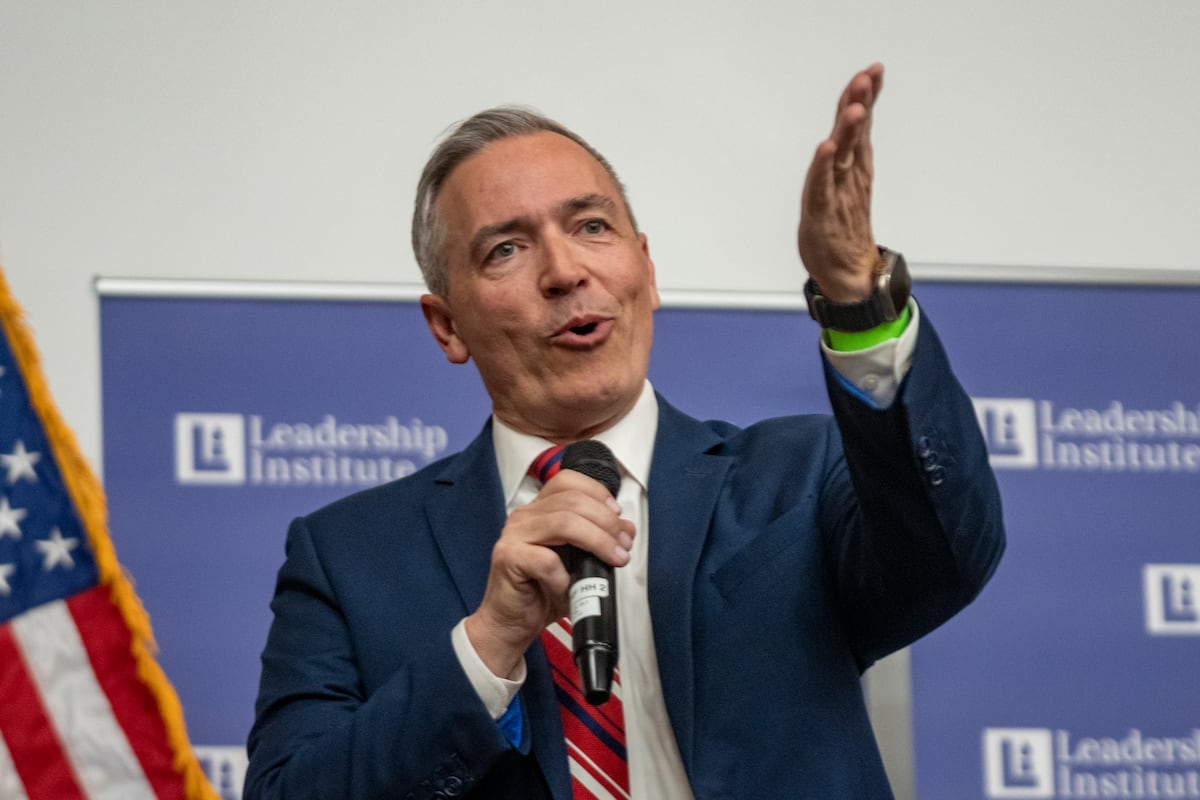
District 18 stretches across parts of Salt Lake and Utah Counties along the Wasatch Front, covering communities including Riverton, Herriman, and South Jordan. It is the kind of suburban district that has grown faster than Utah’s political infrastructure has adapted — newer residents, higher housing costs, and a technology-sector workforce that doesn’t map cleanly onto older partisan categories. Fiefia’s pitch to that electorate has been explicit: he wants to use his background in tech to make the Legislature fluent in the policy questions that his own district’s residents work on every day. What McCay calls regulatory overreach, Fiefia calls accountability.
The affordability argument McCay has led with is not disconnected from those dynamics. Utah has among the fastest-growing housing markets in the country, and both candidates have positioned themselves as responsive to the costs pressing on Wasatch Front families. The question is which frame — a veteran legislator’s claim on sustained influence, or a first-term challenger’s bet that the district wants a different kind of voice — resonates more with the broader Republican electorate that will vote June 23. Convention delegates tend to skew toward the party’s activist core; primary voters are a wider pool.
McCay did not gather signatures ahead of the convention, a choice that left him entirely dependent on delegate support and that, in retrospect, proved to be a narrower margin than his campaign might have anticipated. His 41.25 percent at the convention was enough to survive — delegates cast out Tracie Halvorsen, the third candidate in the Republican field — but it was not the kind of result that projects strength heading into a contested June vote. Fiefia’s 58.4 percent, meanwhile, represented the kind of near-win that energizes a challenger without resolving anything.
The corruption theme McCay raised with the Tribune adds another layer. Utah politics has not been immune to the national current of voter skepticism toward career incumbents, and McCay’s decision to run against a vague corruption framing — rather than purely on legislative accomplishment — suggests his campaign has internalized at least some of that anxiety. Whether that framing helps distinguish him from Fiefia, or blurs into the challenger’s own anti-establishment argument, is something the June 23 returns will sort out. Questions about political corruption and self-dealing have dominated the national Republican conversation in ways that create complicated terrain for incumbents who need to acknowledge the issue without implicating themselves in it.
What makes District 18 worth watching past its immediate result is what it may indicate about how Republican primary voters in fast-growing western suburbs weigh deference to Washington against independent state action — particularly on an issue, AI regulation, where the Trump administration’s position has been to block rather than lead. The question of who governs artificial intelligence is being asked simultaneously in every state capital and in Brussels; Fiefia is the rare state legislator who has made that abstraction into a ballot-box argument. Whether it works in Herriman is one of the more interesting unanswered questions of Utah’s June primary.
The primary is June 23. No date has been set for any scheduled debate between the two candidates.