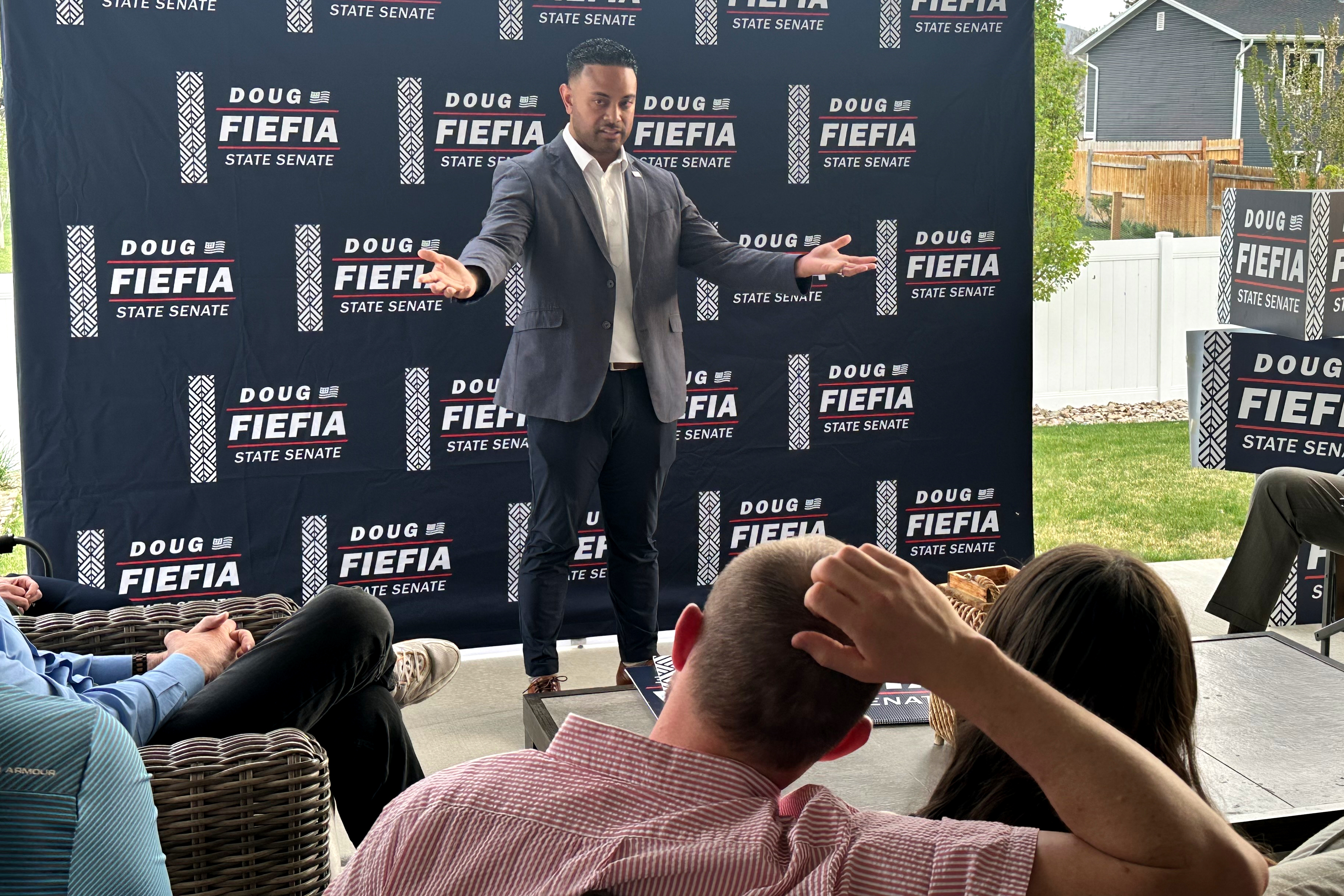

SALT LAKE CITY — The question that divides Utah’s most closely watched legislative primary this June is not whether Riverton is growing too fast or taxes are too high — both candidates agree they are. The dividing line is whether a Republican state legislator can demand guardrails on artificial intelligence without the White House cutting his legs out from under him, and whether the senator who helped let that happen should keep his seat.
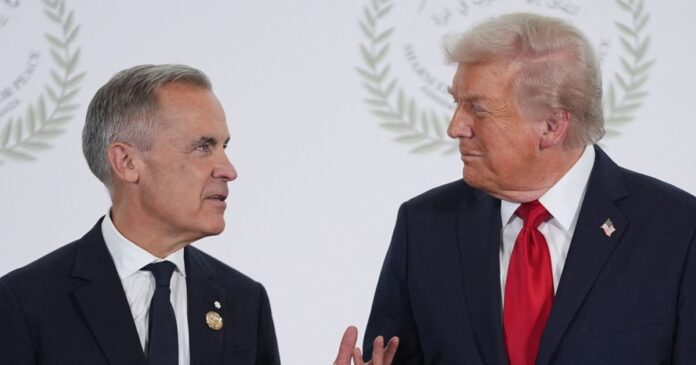
Sen. Dan McCay and Rep. Doug Fiefia are both Republicans. Both represent overlapping Wasatch Front communities in Salt Lake and Utah counties. Both are on the June 23 primary ballot for Senate District 18. And one of them spent the better part of this legislative session watching his signature bill — a proposal requiring AI companies to include child safety measures and disclose risks to the public — get killed after the Trump administration declared it “unfixable.”
That lawmaker was Fiefia. McCay, who chairs the Senate’s Revenue and Taxation Committee and has represented the district since 2019, said at the time the bill’s death was a good thing. “I’ve been around long enough to recognize the invention of fire, the wheel, cars and the internet did not ruin society,” McCay told reporters in April, adding that Fiefia’s measure “would have driven Utah out of the AI innovation business.”
For Fiefia, a first-term state representative who previously worked in technology sales and draws on a background in data privacy, the exchange crystallized what the race is about. The primary has become, in miniature, a referendum on whether Republican state legislatures still have room to govern the industries reshaping daily life — or whether alignment with the Trump administration on deregulation is the only acceptable position within the party.
“The Trump administration is, ‘We want zero regulations on AI,'” Fiefia told a cottage meeting — the Utah political term for a small gathering at someone’s home — in Riverton earlier this spring, according to KUER. “I think that’s wrong. I agree with a lot of what Trump says on taxes. I disagree with him on this.”
Fiefia’s AI bill passed a House committee unanimously earlier this year. It included child safety provisions and whistleblower protections for tech workers. The Trump administration then sent a letter to the Senate calling the measure unfixable, and it died without a floor vote. That the bill had Republican support in committee before federal pressure arrived is a fact Fiefia’s campaign has not let voters forget.
McCay’s position, by contrast, has been one of consistent alignment with the administration’s light-touch approach. He has framed the AI debate in terms of economic competitiveness, arguing Utah cannot afford to be seen as hostile to the technology sector at a moment when the state is actively courting data centers and tech investment. The senator co-sponsored a bill this session, with Rep. Steve Eliason, that reduced the individual income tax rate from 4.5 percent to 4.45 percent — a small cut that was part of more than $600 million in combined tax reductions over the past two legislative cycles, according to the Utah House of Representatives. McCay has pointed to that record as evidence of effective governance — the kind a newer lawmaker cannot yet match.
Affordability is the second fault line. Utah’s fastest-growing communities — the kind that span District 18’s multi-county Wasatch Front geography — have experienced the same convergence of pressures that has driven housing costs to the front of legislative agendas across the Mountain West: population growth, infrastructure deficits, and a mismatch between approved lots and the water and sewer systems needed to build on them. McCay, a lawyer by training with a law degree from Willamette University and a long record on tax policy, has emphasized his institutional relationships with the mayors and municipal leaders whose cooperation is required for any infrastructure solution to work. Fiefia, who holds a degree from Rice University and ran his own construction company, SOJO Construction, before entering politics, argues that fresh perspective is exactly what the district’s housing challenge needs.
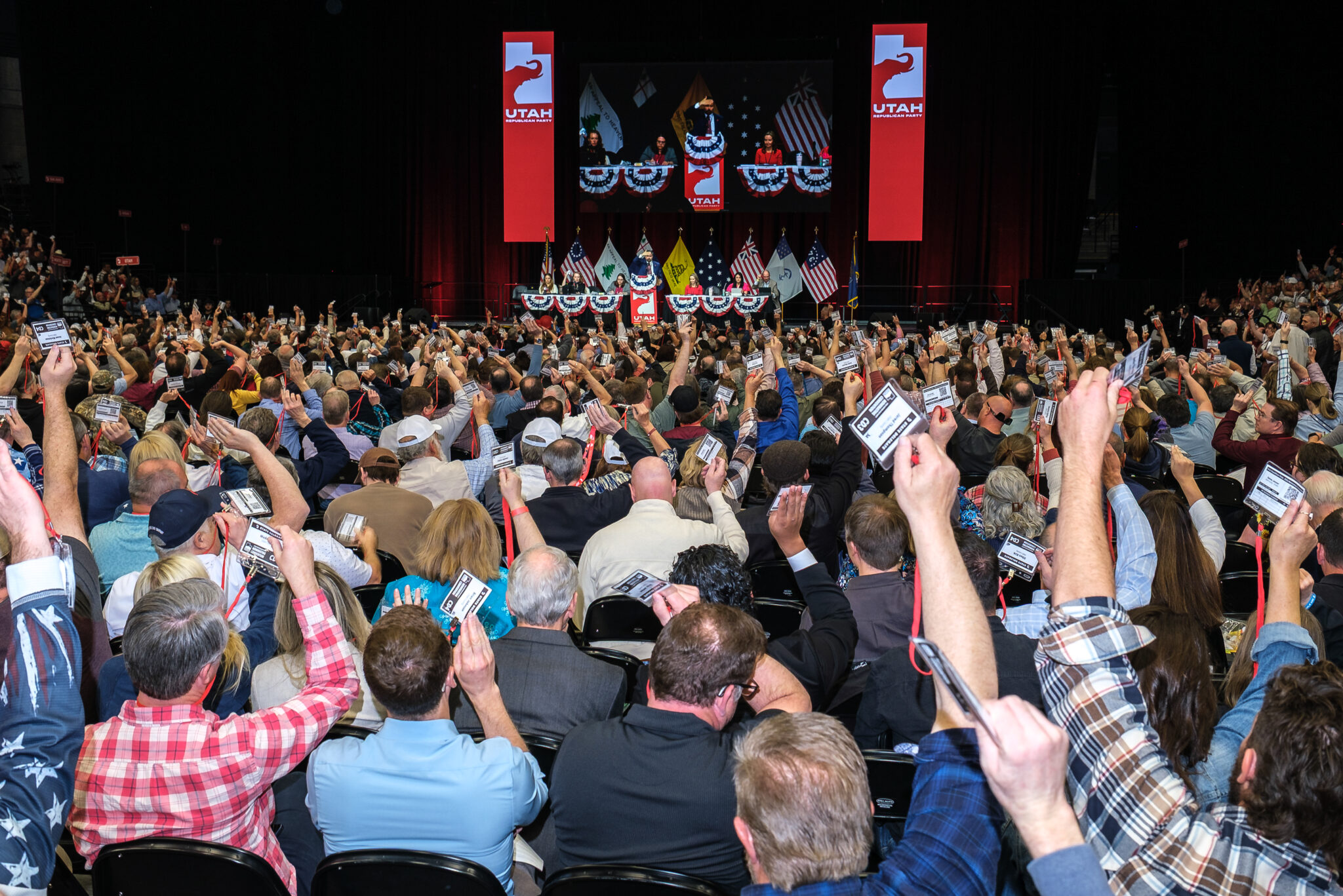
The convention results in April handed neither candidate an outright win. Fiefia secured roughly 58 percent of delegate support at the Utah Republican Party’s nominating convention at Utah Valley University — a significant rebuke of an incumbent senator, but just short of the 60 percent threshold that would have given him the nomination outright. McCay held on with just over 40 percent. Both advanced to the June primary, where the electorate expands beyond the convention’s activist core to include a broader slice of registered Republicans across Salt Lake and Utah counties.
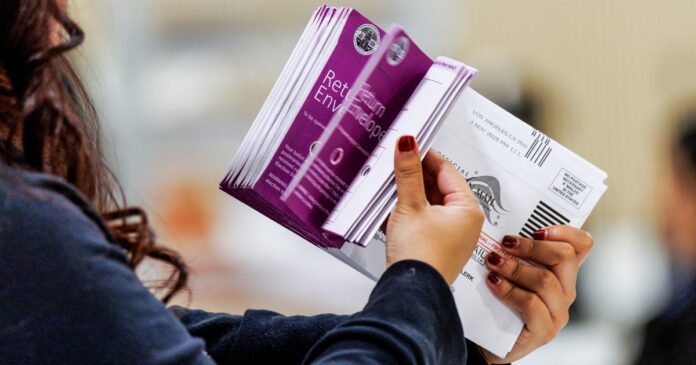
That shift in venue matters. Convention delegates who attend a Saturday morning gathering at a university arena tend to skew toward the party’s most engaged, issue-driven base — the voters most likely to have strong opinions about AI governance and states’ rights. Primary voters who return a mail-in ballot by June 23 include retirees in Herriman and suburban homeowners in Riverton whose primary concern may be whether their neighborhood grocery store is affordable rather than whether the Trump administration overstepped on a tech regulation letter. McCay’s argument that his legislative record produces tangible results — tax cuts, infrastructure spending, relationships with mayors — is built for that audience.
What neither candidate has yet answered is the downstream question the AI debate opens: if the Trump administration can effectively kill a unanimously approved state committee bill by sending a letter, what does that leaves for state legislators to do on the issues their constituents actually care about? Fiefia has made that tension his argument for why the race matters beyond District 18. McCay has not directly engaged it. Whether that is strategic discipline or an unresolved question in his own campaign platform is something the June 23 returns may not fully answer either way.
The broader Utah Senate landscape provides some context. The White House’s retreat on its own AI oversight order earlier this year fed a national debate about whether the administration’s hands-off posture is a coherent technology policy or simply a preference for industry access. Senate President Stuart Adams is simultaneously defending his own seat against two Republican challengers, a signal that this cycle’s intraparty volatility is not confined to one district. And Fiefia’s original House seat — District 48 in Herriman — now has its own contested primary, a downstream consequence of his decision to move up.
The primary is scheduled for June 23. A Democrat, A. Dane Anderson, is waiting in the general election regardless of which Republican prevails.