
CUPERTINO – The new price for a MacBook Air appeared quietly on Apple’s product pages Thursday morning, $200 higher than it had been the day before. By the time Tim Cook was ready to field questions from investors, it was already a stock-market headline: Apple shares fell 6.1 percent on the day, their worst single session in more than a year.
The increases, confirmed June 25, 2026, were not limited to laptops. Every iPad line went up, the entry-level model by $100 and the iPad Pro by $200, Al Jazeera reported. The MacBook Pro, the Mac Studio, and even the Vision Pro headset all carried new prices. The only products Apple left unchanged were the iPhone, Apple Watch, and AirPods. Microsoft followed on the same day with Xbox console price increases of $100 to $150, citing identical pressures.
Both companies pointed at the same cause: a structural shortage of the memory chips that AI systems now consume in quantities the industry was never built to supply.
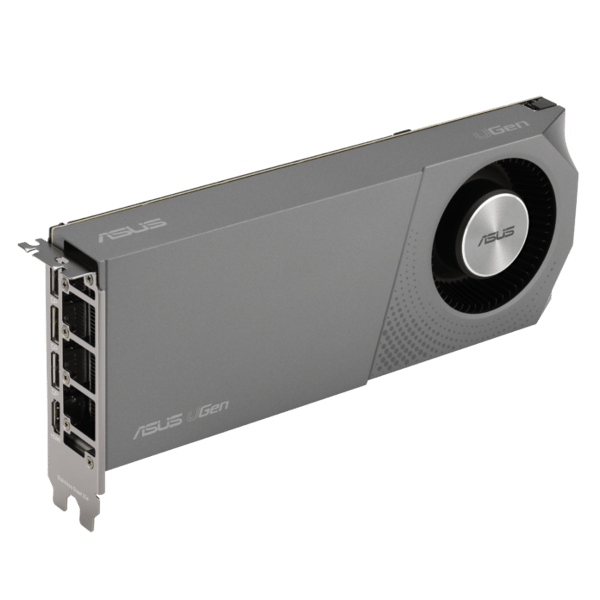
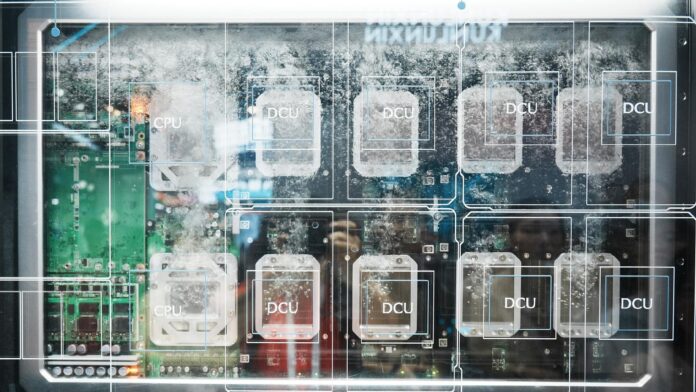
DRAM prices rose between 80 and 90 percent in the first quarter of this year, driven by a reorientation that began at all three major memory manufacturers at roughly the same time. Samsung, SK Hynix, and Micron redirected their most advanced production lines to high-bandwidth memory, the specialized chip stacks that AI accelerators require in enormous quantities. A single Nvidia Blackwell graphics card now requires 192 gigabytes of HBM, roughly six times the total RAM inside a standard personal computer. Manufacturers earn three to five times more per wafer from HBM than from conventional DRAM. The financial logic of the shift is not difficult to follow.
What is harder to sit with is what that logic costs a person buying a Mac in July. Prices on MacBooks and iPads do not move for years at a stretch, and when they do, it tends to be in one direction. Cook had flagged the increase in a Wall Street Journal interview on June 17, describing it as “unavoidable” given where memory costs were heading. The warnings were public. The sticker shock is still real.
The steepest single increase in Apple’s lineup is on the Mac Studio M3 Ultra, up from $3,999 to $5,299, a $1,300 jump of 33 percent. That machine is aimed at creative professionals and small production studios, buyers who are sensitive to cost in ways enterprise hardware customers are not. The MacBook Pro 14-inch moved from $1,699 to $1,999. The MacBook Air crossed $1,299 from $1,099. The iPad, long the most accessible product in Apple’s lineup, now starts at $449.
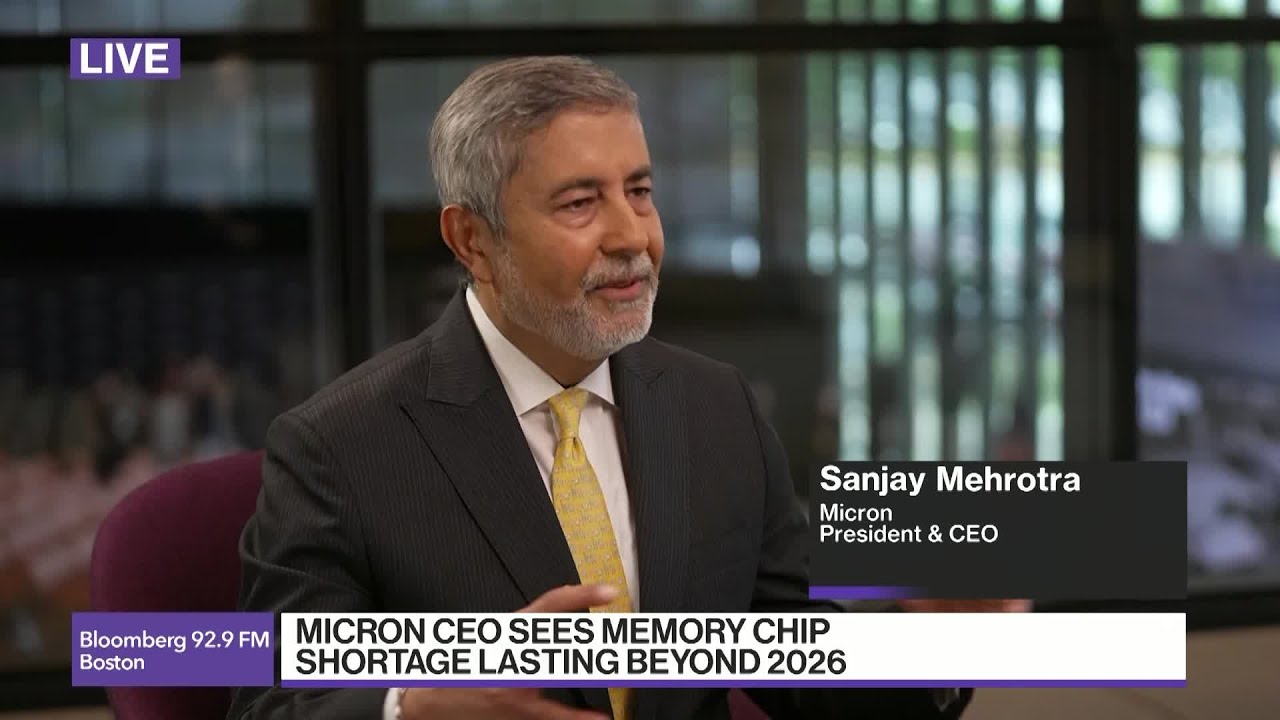
Apple’s public explanation is coherent, as far as it goes. The company does not manufacture memory. It buys from the same three suppliers now prioritizing AI customers, and it holds no more leverage over that reorientation than any other PC manufacturer does. The supply crunch is real: Micron’s chief executive said in the company’s most recent earnings call that the shortage would persist through at least 2027, consistent with the company’s own HBM supply outlook that has driven record earnings even as conventional DRAM margins compress under the same dynamic.
What the explanation leaves aside is that Apple has spent years building the cash reserves and supplier relationships to absorb supply disruptions better than almost anyone in the technology industry. That cushion exists. Passing costs directly to consumers immediately, rather than absorbing any portion of them even briefly, is a decision rather than an inevitability, and one that may open a competitive gap for manufacturers who choose a different path. Google has not announced price changes on Pixel hardware. Samsung has been conspicuously quiet.
Microsoft’s Xbox increases are smaller in percentage terms but carry different implications. A base Xbox console moving from $399 to $499 reaches a price point that has historically driven hesitation in the mass market, CBC News reported. Higher-memory models moved to $749. Console gaming is far more price-sensitive than professional laptop markets, and $499 for a gaming console is a threshold Microsoft spent most of the past decade trying to avoid crossing.
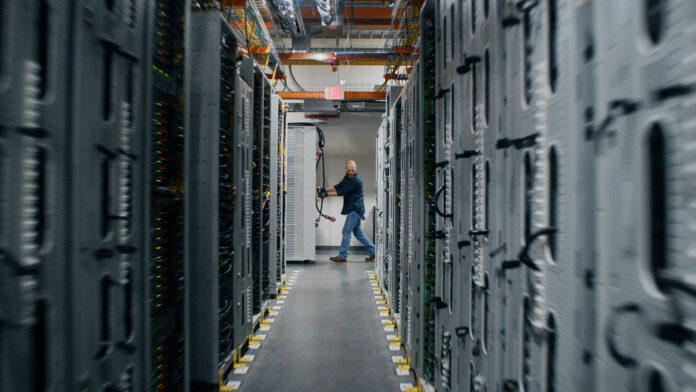
The broader situation is one the technology industry helped create. The AI infrastructure expansion of 2023 through 2025 required chip investments so large and so concentrated in HBM that the memory supply chain cannot serve two markets at once. Data centers get first priority: they sign longer contracts, pay more per unit, and carry more weight with manufacturers than any consumer hardware maker. The consumer market works with what is left.
What remains unclear is how long that dynamic holds. Memory capacity is being added, but HBM fabrication is slow and requires significant capital. Meaningful supply rebalancing is measured in years, not quarters. OpenAI inference chip projects aim to reduce HBM dependency, but they are not yet at commercial scale.
The AI hardware bill that data centers have been paying for two years is now arriving in consumer electronics. The line items are MacBooks, iPads, and game consoles, and there is no clear sign yet where it stops.