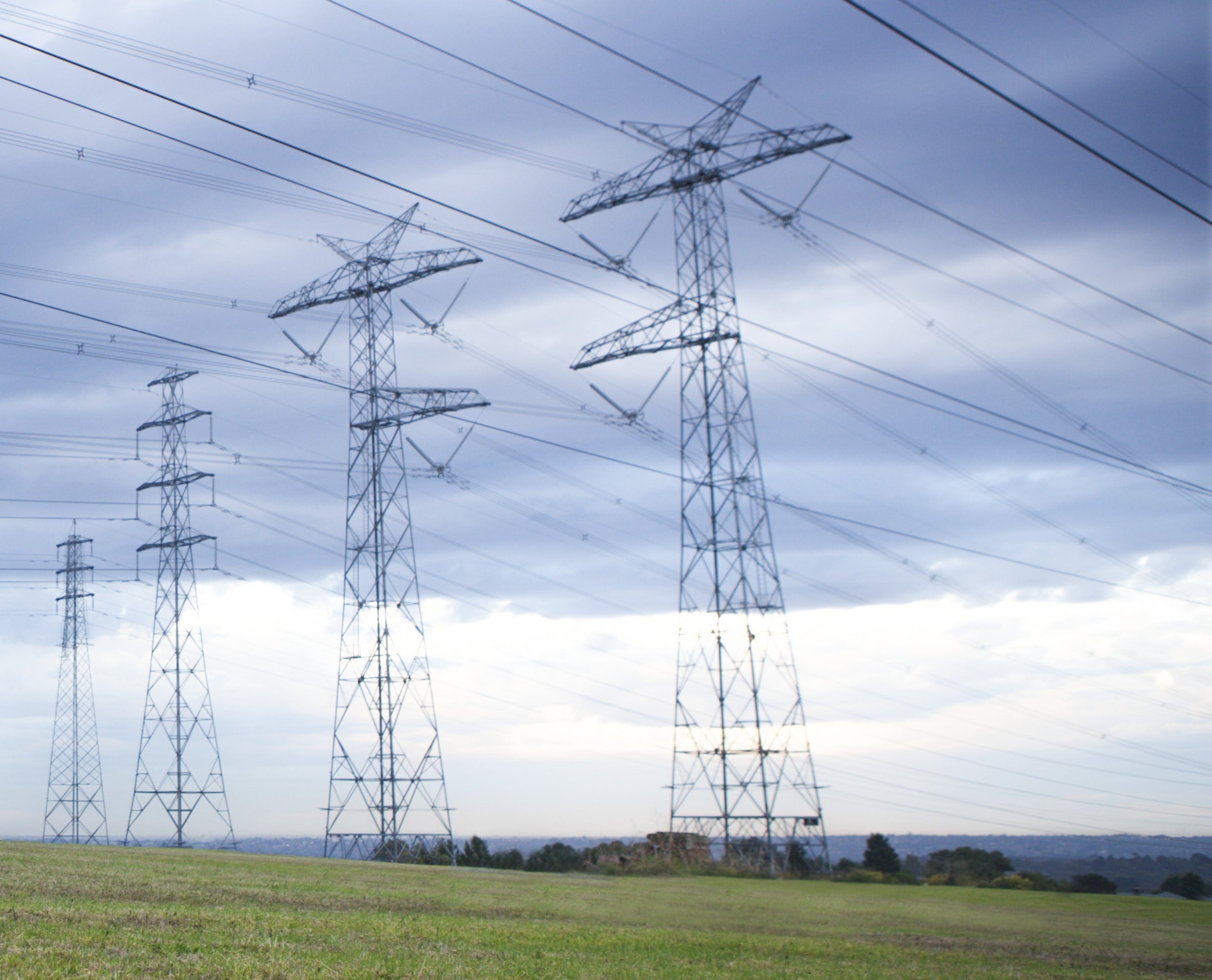
SYDNEY — The wires will not be the problem. That is the quiet, unsettling conclusion at the centre of a new roadmap published in Nature Reviews Electrical Engineering by researchers at Australia’s Commonwealth Scientific and Industrial Research Organisation, and it reframes one of the central assumptions underpinning the global energy transition.
For more than a decade, governments and utilities have treated the challenge of integrating renewable energy as an engineering problem — a matter of enough transmission lines, enough grid-scale storage, enough substations. According to CSIRO quantum research scientist Dr. Zeheng Wang, the binding constraint is shifting. The main limitations, Wang said, will actually be in computation. Computing power is crucial in managing the flow of energy in complex networks; some of the most critical problems in future smart grids may eventually be unworkable and unsolvable by today’s best computing systems.
The paper, co-authored by CSIRO’s Quantum Systems team alongside international researchers, identifies quantum computing as the candidate technology most capable of bridging that gap. It does not promise a timetable. What it provides instead is something more useful: a frank accounting of where the technology can plausibly help in the near term, where it cannot yet, and what both the energy and quantum communities must do before the window of preparation closes.
The grid problem the roadmap describes is architectural. What was once a one-directional system — power flowing from large stations to passive households — has fractured into something far harder to manage. Rooftop solar panels export surplus back to the grid. Home batteries charge and discharge in response to price signals. Electric vehicles draw demand unpredictably. Automated irrigation systems and smart appliances toggle on grid cues. Every node is now both consumer and potential supplier, making supply and demand a minute-by-minute negotiation across tens of thousands of devices simultaneously.
Traditional computers were not built for this. Classical algorithms that model grid behaviour struggle when the number of variables grows combinatorially — a well-known computational cliff that makes real-time optimisation increasingly approximate, slow, or both. Professor Muhammad Usman, quantum team lead at CSIRO and co-author of the study, described the operational consequence in terms the industry cannot easily dismiss: with so many different energy sources and devices connected across a busy network, managing the grid becomes so complex that traditional computers struggle to keep up.
Quantum computers process information using qubits, which unlike classical bits can exist in superposition and become entangled with one another, allowing certain categories of computation to scale in ways classical systems cannot. That property is precisely what makes them theoretically suited to the class of problems modern grids generate: combinatorial optimisation, multivariable simulation across timescales from nanoseconds to years, and anomaly detection in security-critical infrastructure. According to reporting on the compounding energy demands of AI infrastructure, this pressure is already acute — and rising.
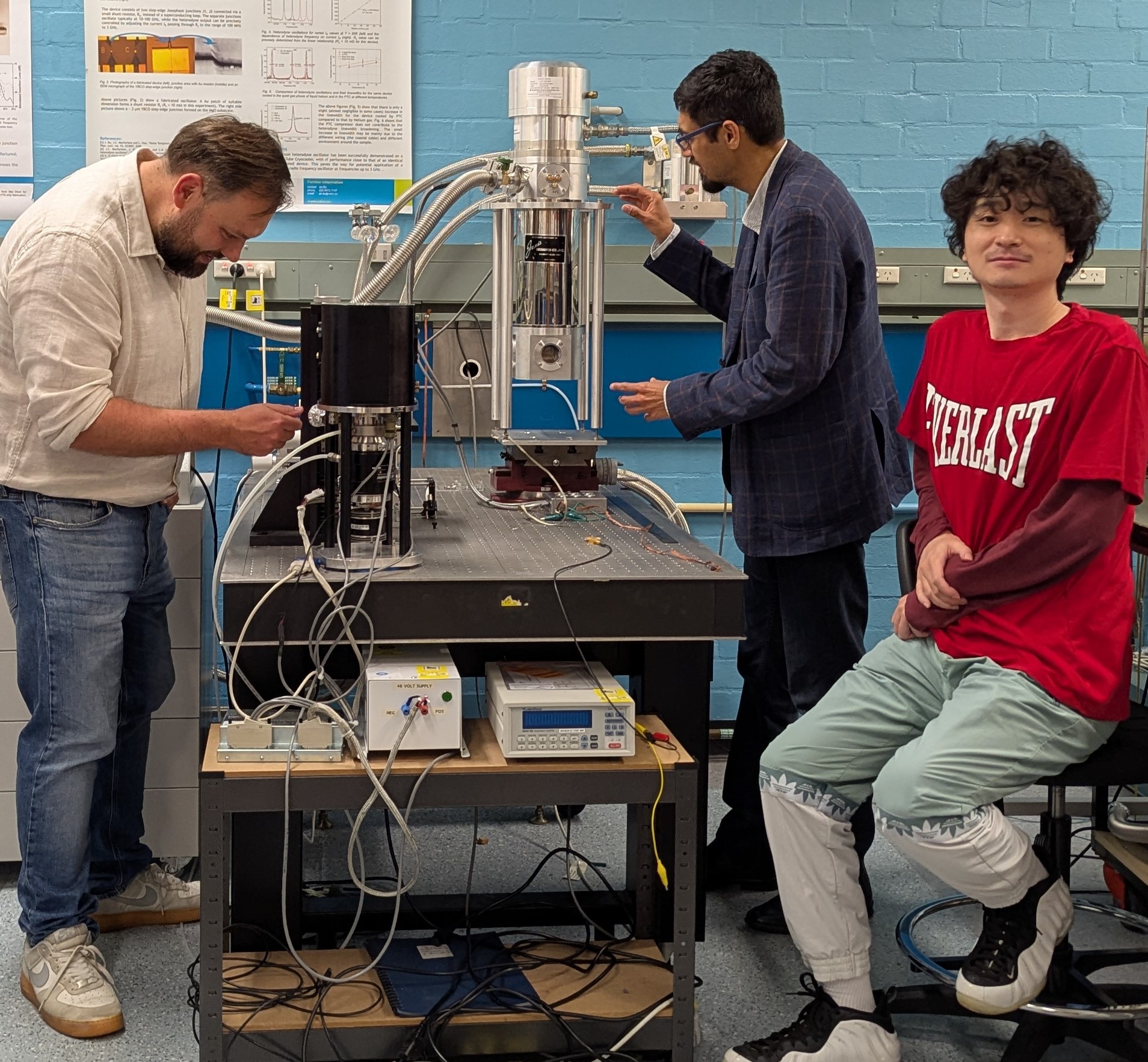
The CSIRO roadmap draws a structural distinction between two operational layers of a smart grid. The converter layer manages individual devices — solar inverters, battery management systems, EV chargers — using power electronics. The system layer coordinates thousands of these converters across a city or region. Quantum computing, Wang and his colleagues argue, could deliver advantage at both levels, though in different ways and on different timescales. Wang put it plainly: quantum computing could help address key bottlenecks, unlocking new possibilities at both device-level converters and system-level grid operations.
At the converter level, the most plausible near-term applications involve optimisation problems that are currently approximated because exact solutions are computationally prohibitive. At the system level, the roadmap points to quantum machine learning for anomaly detection and demand forecasting, and quantum cryptography for securing grid communications increasingly exposed to cyberattack. The paper, structured across nine grid-level and four converter-level tasks, notes which quantum approaches have credible near-term roles inside otherwise classical workflows — and which do not, particularly fully real-time, safety-critical control applications where latency requirements remain beyond current quantum capabilities.
The roadmap is notable for what it declines to promise. The authors explicitly caution against near-term expectations of consumer price reductions, noting that quantum hardware remains costly and immature. No system exists today capable of running the optimisation algorithms described at operational scale. The paper instead identifies a preparation window — a period during which the energy sector should be building expertise, identifying credible use cases, and developing governance frameworks before the hardware matures sufficiently to deploy. What would be a mistake, Wang said, is waiting. The sector should start building the skills, use cases and governance needed to responsibly test credible applications now, while the window remains open.
That framing places the CSIRO study in a different register than most quantum computing announcements, which tend toward either dismissal or unrealistic hype. Published in one of the most selective engineering journals in the natural sciences, the paper is structured around honest limitation. Its authors are explicit that certain problems — those requiring sub-millisecond real-time control — are not candidates for quantum advantage in any near-term scenario. The credibility of the roadmap rests precisely on that discipline.
The stakes of getting the grid right extend well beyond electricity bills. Usman described a more stable, computationally capable grid as the foundational infrastructure for ambitions that currently lack sufficient computational support: the next generation of AI data centres, global transportation electrification, and large-scale industrial decarbonisation. The question of where energy for AI workloads will come from is already pressing. Quantum-optimised grids are one part of the answer the CSIRO team is now putting in writing.
The purpose of the roadmap, as Wang and Usman describe it, is to bring the power and quantum communities into the same conversation before the urgency forces improvisation. Quantum computing will not solve the energy transition on its own, Wang said. But it will become a critical enabling technology — one that helps build the efficient, resilient and secure electricity systems the future depends on. Whether the energy sector acts on that signal early enough to benefit from it when the grid needs it most remains, for now, the question the roadmap deliberately leaves open. You can read the full study, “Quantum computing for smart grid,” in Nature Reviews Electrical Engineering.