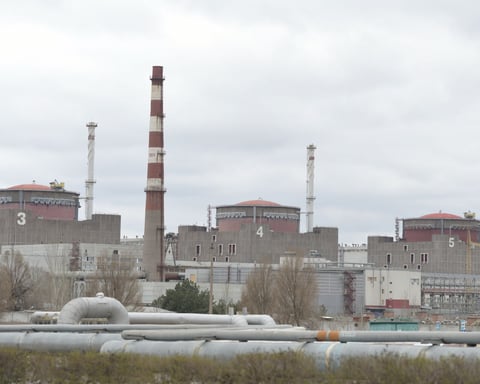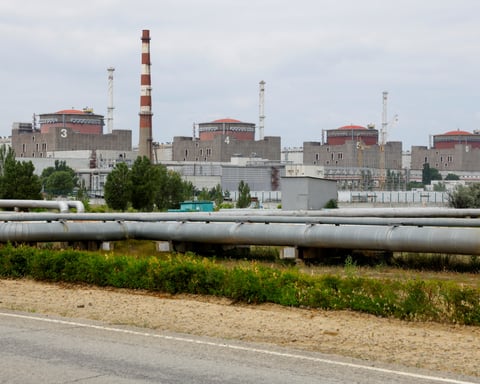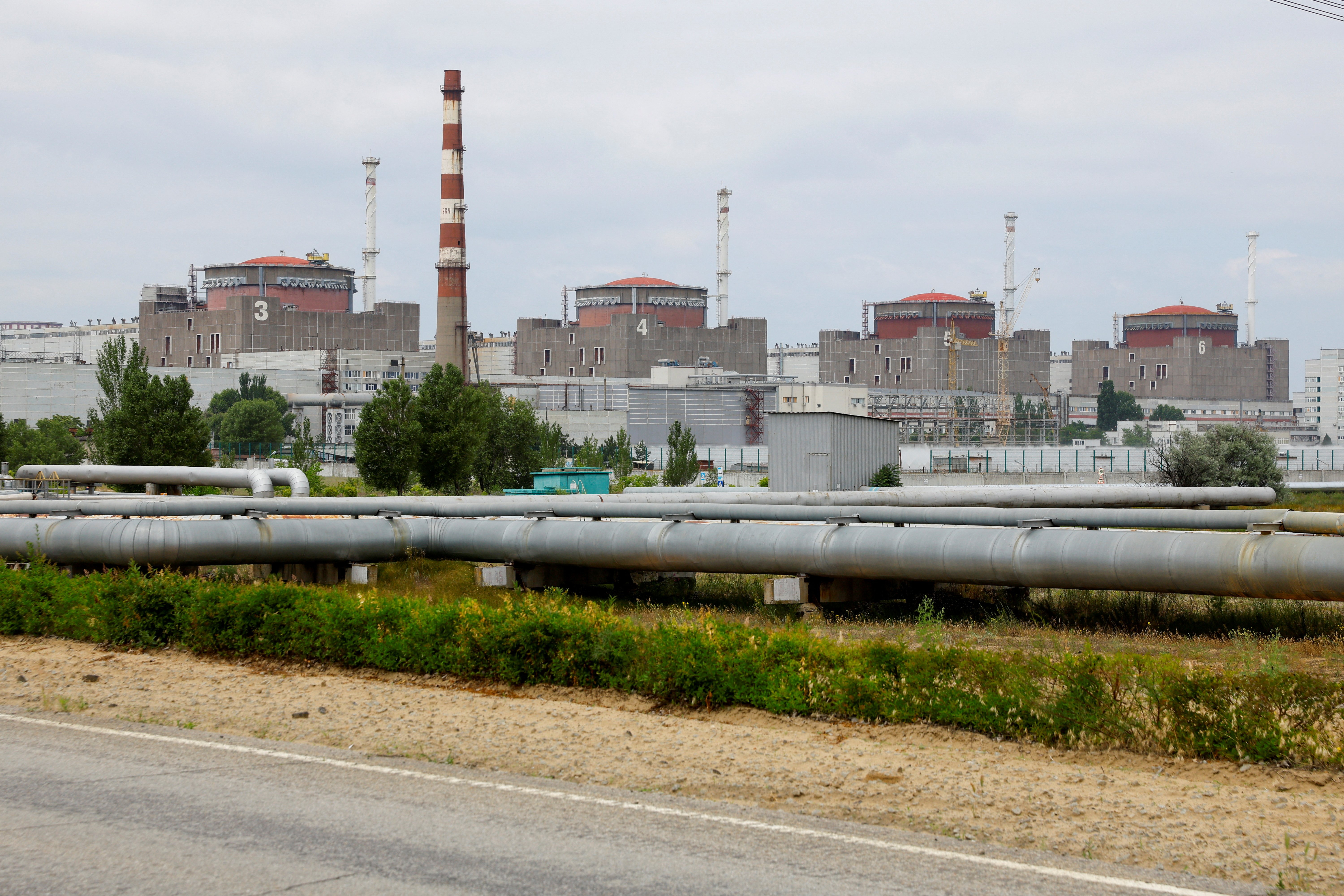
VIENNA — The men working in the shadow of Europe’s largest nuclear plant on Friday were not soldiers in any conventional sense. They were sappers — members of a Russian Defence Ministry mine-clearance group, picking their way across terrain that had been declared, by international agreement, temporarily off-limits to combat. Then a Ukrainian strike hit them.
The attack, reported by the Zaporozhye Nuclear Power Plant, occurred in breach of the localised silence regime that the International Atomic Energy Agency had spent weeks negotiating precisely to allow those men to work. By Friday afternoon, IAEA Director General Rafael Grossi had issued a public statement demanding that both sides adhere to the agreement — and made plain what was at stake if they did not.
“IAEA DG Grossi calls for maximum military restraint and full adherence to the ceasefire so that the power line repairs can proceed as planned in coming days, adding that they are crucial for efforts to prevent a nuclear accident at the ZNPP,” the agency said in a statement.
The silence regime, which came into effect Friday, is the sixth such localised ceasefire that Grossi has negotiated between Moscow and Kyiv since late last year. Each of the previous five bought enough quiet to complete repairs to power lines feeding the Zaporizhzhia plant, which has not generated electricity since Russian forces occupied it in March 2022 but still requires off-site power to cool its six shutdown reactors. Each was hard-won. This one, the IAEA noted in a statement earlier in the day, was complicated from the start by the location of the damage: the 750-kilovolt Dniprovska transmission line was severed more than two months ago at pylons standing on both sides of the Dnipro River, directly across the line of control.
Grossi said before the incident that both the Russian Federation and Ukraine had “engaged constructively with the IAEA during weeks of sensitive and complex talks,” with both sides agreeing to halt hostilities in the zone to allow repairs to go forward. The de-mining work that those sappers were conducting was a precondition of the repair operation itself — the pylons and surrounding area had to be cleared before technicians from either side could begin restoring the line.
What the strike means for the repair timeline is not yet clear. The IAEA did not specify whether the attack halted or delayed the de-mining operation, nor whether the silence regime remained technically in force after the incident. The agency’s statement was calibrated to pressure rather than assess — urging compliance without confirming whether the ceasefire had definitively collapsed.
The Dniprovska line’s disconnection in late March left the plant entirely dependent on a single 330-kilovolt line for the electricity needed to cool its reactors. In recent weeks, even that backup has failed repeatedly, forcing the facility to start its emergency diesel generators — a contingency the IAEA has described as a last resort. A drone strike on the Nikopolska substation had already cut power to the plant for the seventeenth time this year, compressing the operational margin to near zero before Friday’s ceasefire even began.
Russia’s Foreign Ministry and the plant’s operator, Rosatom’s subsidiary Energoatom, reported the attack on the mine clearance group without specifying casualties. Ukraine has not publicly acknowledged the strike. The IAEA, whose monitoring team is permanently stationed at the facility, did not confirm the specifics of the incident independently in its initial statement.
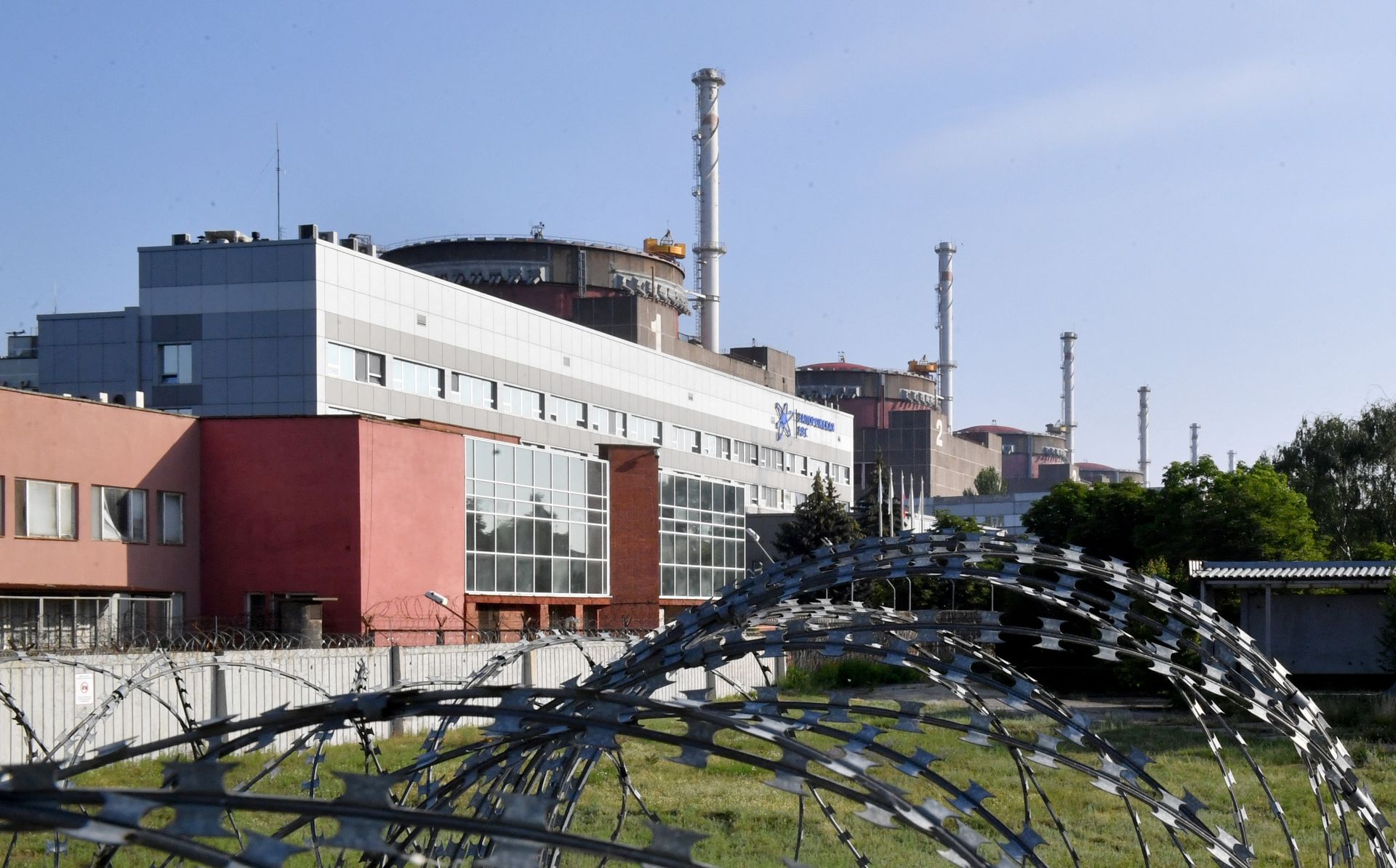
The pattern of Grossi’s nuclear diplomacy at Zaporizhzhia has followed a consistent and gruelling rhythm since the first localised ceasefire in late 2025: weeks of shuttle negotiations, a fragile agreement, repair work under IAEA supervision, then a return to hostilities before the next degradation of the power supply forces another round. Moscow had flagged the ZNPP situation as its foremost nuclear concern at the St. Petersburg International Economic Forum just days earlier, with Deputy Foreign Minister Sergei Ryabkov describing the plant’s power supply as dangerously close to the threshold below which reactor cooling could not be maintained.
What makes Friday’s breach qualitatively different from the near-misses of previous ceasefire windows is the target. Prior incidents during silence regimes — including an artillery attack on the plant’s satellite city of Energodar during the February ceasefire — were classified by Russian officials as indirect violations, occurring outside the agreed exclusion zone. Striking a mine clearance team operating within the zone, as part of the preparatory work the ceasefire was explicitly designed to protect, is a direct violation of the agreed terms by any reasonable reading.
Whether Kyiv characterised the sappers as a legitimate military target, or whether the strike was a mistake, remains unknown. Ukraine’s stated position has consistently been that Russian military personnel operating anywhere in the occupied Zaporizhzhia region are combatants regardless of their assignment. The IAEA, which has no enforcement mechanism beyond diplomatic pressure, cannot compel either side to honour the silence regime — only appeal.
Grossi’s statement on Friday was that appeal. The repair work on the 750-kilovolt Dniprovska line, he said, is crucial to preventing a nuclear accident. A Ukrainian drone had already struck the plant’s turbine building in May in the first confirmed hit on reactor-adjacent equipment, raising the baseline risk level before the latest incident. Whether the repairs proceed on schedule — or whether this ceasefire becomes the first of the six to collapse before the work is finished — is a question the IAEA could not answer Friday. Neither could anyone else.