
CAIRO — The question that has shadowed every round of Gaza negotiations since last October arrived in Cairo with Hamas on Friday evening, carried in the delegation’s luggage as surely as any formal talking point. Can a movement that has governed a coastal strip through a devastating military campaign, and emerged from it still armed and still politically relevant, be persuaded to give those weapons up? And if not, what does a second phase of the ceasefire actually mean?
Khalil al-Hayya, Hamas’s most senior figure in Gaza and the man who has sat across from Egyptian, Qatari, and American mediators through every round of negotiations since the October 2025 ceasefire began, led the delegation into the Egyptian capital as Hamas confirmed talks would begin Saturday and run for several days. The stated agenda is threefold: discuss implementation of the first phase with Egyptian officials, address the mechanism for moving to the second phase, and meet with the broader constellation of Palestinian factions to develop what Hamas called “a unified national position on various issues.”
That phrase — unified national position — is doing considerable work. The Palestinian political landscape is not unified. It has not been for nearly two decades. Fatah, which controls the Palestinian Authority in the West Bank, and Hamas, which has governed Gaza since 2007, have attempted reconciliation in Beijing, Doha, and Cairo itself, with results that ranged from inconclusive to quickly reversed. The factions meeting this weekend are being asked to agree not only on tactics but on something closer to a vision: who governs Gaza after the guns stop, who provides security, and — the question Washington has made non-negotiable — who eventually disarms.
That last demand is where the architecture of Trump’s plan runs into its hardest wall. Steve Witkoff, the U.S. special envoy, announced in mid-January the formal launch of what the White House calls Phase Two: Israeli withdrawal from additional Gaza territory, deployment of an International Stabilization Force, and the establishment of a Board of Peace that would oversee a new technocratic Palestinian government. Egypt announced the 15-member technocratic committee, to be headed by Ali Shaath, a former Palestinian Authority deputy minister of transportation, after a prior round of Cairo faction meetings. Hamas acknowledged it was “a step in the right direction.”
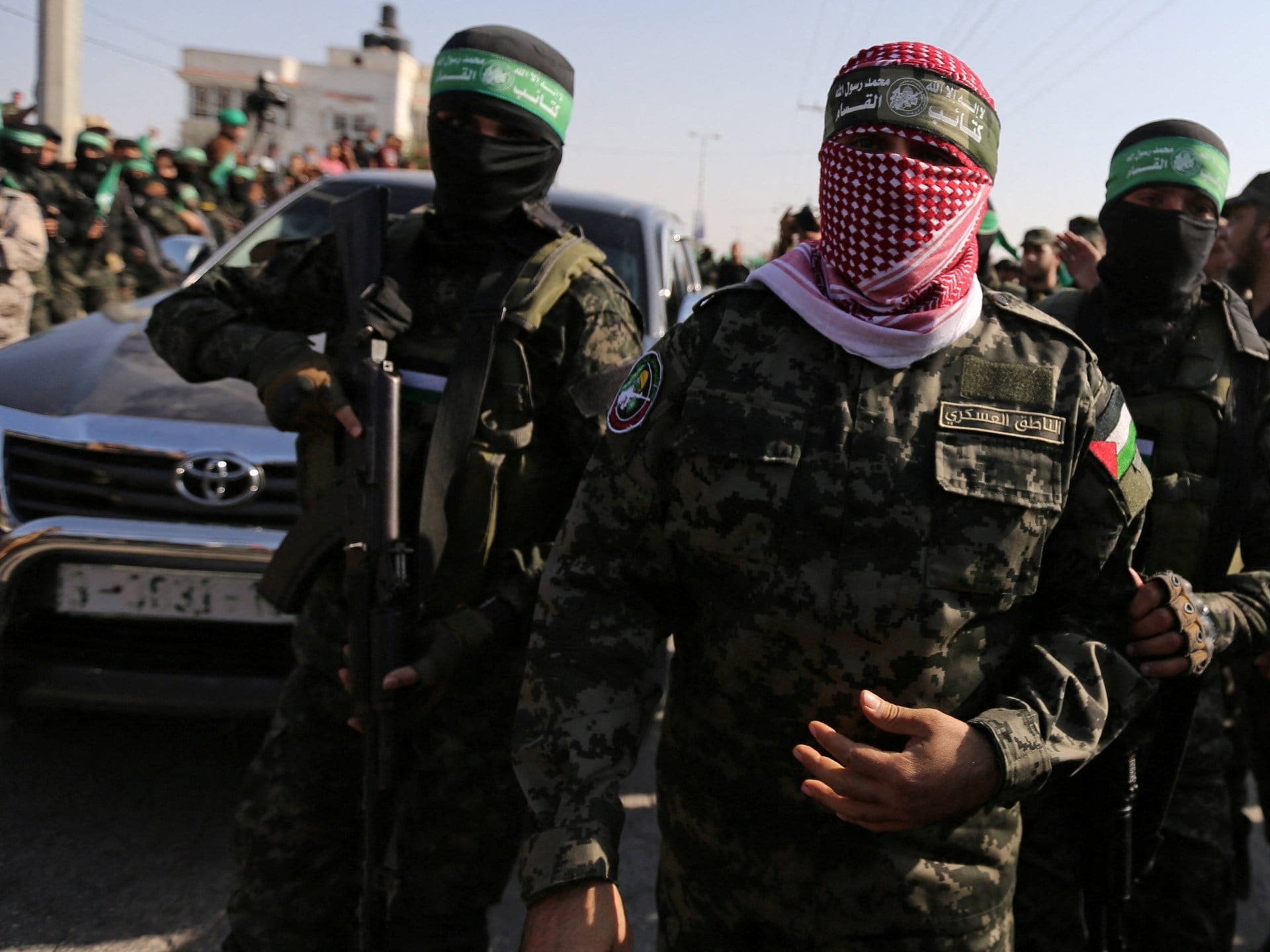
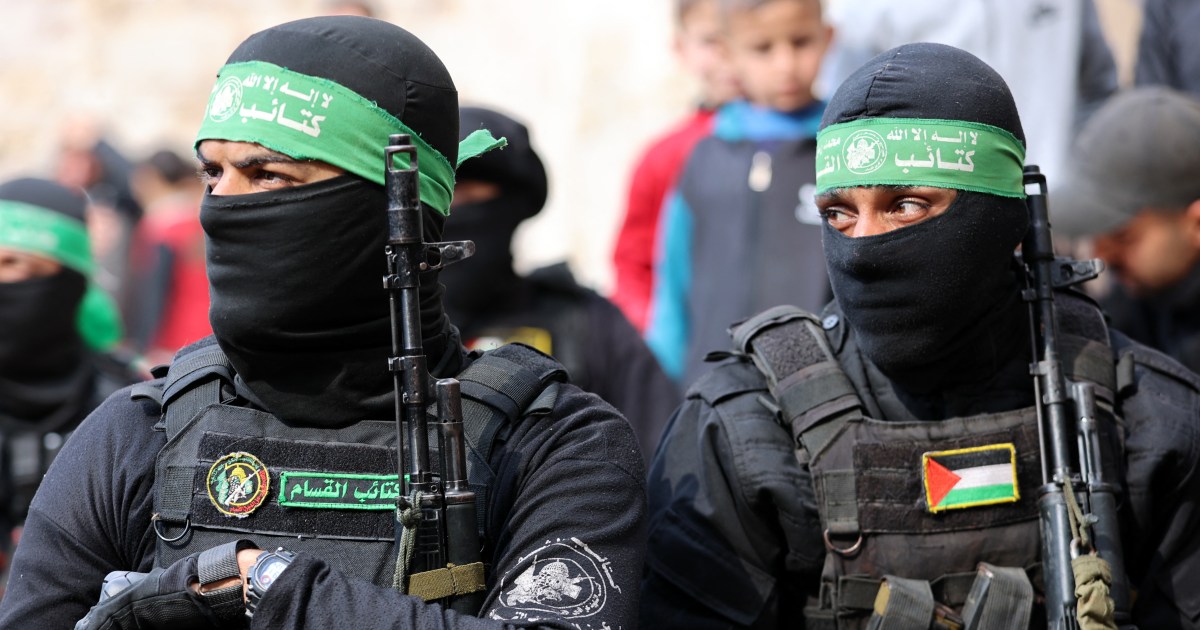
But Hamas’s position on disarmament has not moved. Al-Hayya said publicly in January that the movement retains a “legitimate right” to hold weapons. The group’s calculation is not difficult to follow: surrender arms before a Palestinian state exists, and the movement believes it surrenders the only leverage that has defined its political standing since 2007. Israel’s position is equally fixed. Prime Minister Benjamin Netanyahu has said repeatedly there is no second phase without progress on Hamas disarmament. The two positions are not a negotiating gap waiting to be bridged. They are opposing premises.
Against that backdrop, what Cairo is actually being asked to produce this weekend is something more modest and more important than a breakthrough: a stable Palestinian interlocutor. Al-Hayya has carried these negotiations through circumstances that would have fractured most diplomatic efforts, including Israeli strikes that have killed members of his own family while he was mid-negotiation. His continued presence in the process is itself a signal, though of what exactly remains contested — commitment to a deal, or a calculation that the diplomatic track keeps the military pressure at bay.
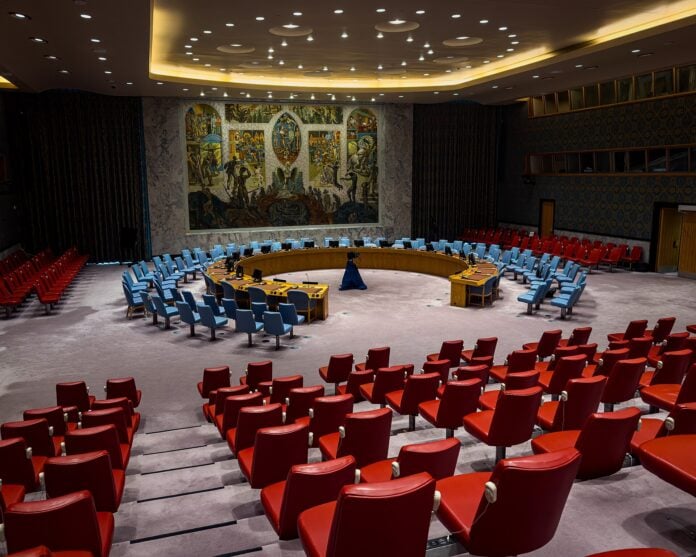
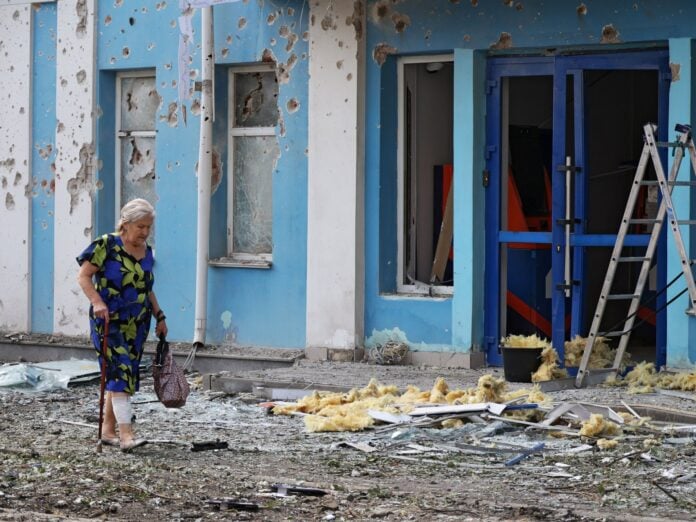
The UN Security Council’s adoption of Resolution 2803 in November provided the international legal scaffolding for the peace plan. The International Stabilization Force it envisions is real on paper. Whether Egypt, Qatar, and the other Arab states that would need to contribute troops and legitimacy are willing to do so while Hamas remains armed and Israel continues to conduct strikes inside Gaza — 100 children were killed after the October ceasefire began, according to UNICEF — is the question none of the formal documents resolve.
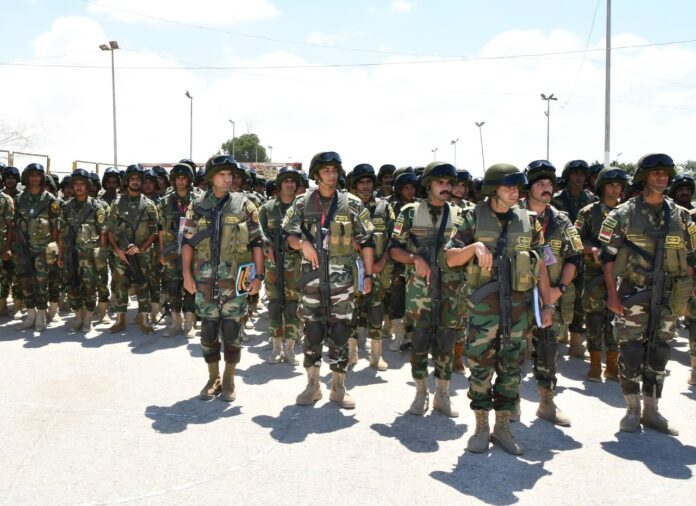
Egypt’s role in this round is quietly central. Cairo has served as the primary mediator channel throughout the talks, and Egyptian intelligence has built more working trust with Hamas’s negotiating team than any other external actor. The conversations this weekend are not a formal negotiation with Israel at the table; they are preparation for one. What Egypt wants from this round is a Palestinian delegation capable of presenting a coherent position when the harder conversation comes, rather than a collection of factions that disagree publicly the moment a microphone appears.
The first phase of the ceasefire was never fully implemented on either side, with Israeli forces retaining positions beyond agreed withdrawal lines and Palestinian groups reporting continued strikes. The move to a second phase, under those conditions, carries the ambiguity of the first forward rather than resolving it. Rafah crossing remains a live pressure point — Hamas has listed its reopening and the admission of aid stockpiled on the Egyptian side of the border as a precondition for substantive progress.
In an exclusive interview with Al Jazeera published Friday, Hamas political bureau member Husam Badran laid out the group’s latest position: it will not surrender its weapons now, but is prepared to accept an arrangement where only police — not fighters — visibly carry arms in Gaza. Whether the Board of Peace and Israel’s government will treat that as a workable interim step, or as proof that disarmament is simply not on offer, will define whether Saturday’s talks begin with any shared premise at all.
What is certain is that the window is narrowing. The Trump administration has framed Phase Two as an irreversible transition toward demilitarization and reconstruction. Israeli politics are pulling in the opposite direction, toward continued military pressure and resistance to any governance structure that gives Hamas a residual role. The Palestinian factions meeting in Cairo this weekend are navigating between those two forces without the one thing that would give them leverage: agreement among themselves on what they actually want.
That answer, if it comes, will not come Saturday. It may not come this round. But the alternative — arriving at a formal second-phase negotiation with a fractured Palestinian position and an unresolved weapons question — is what Cairo is working, quietly and without guarantee, to prevent.