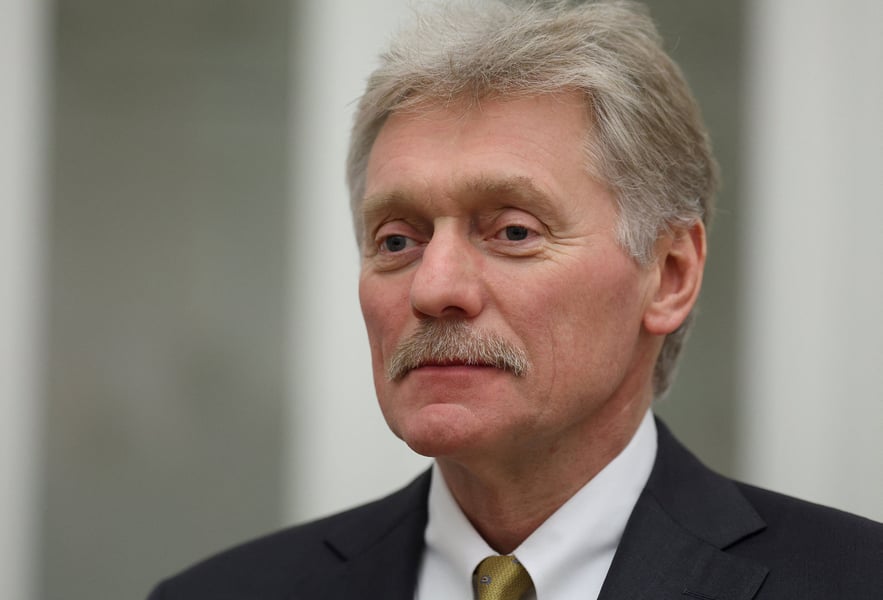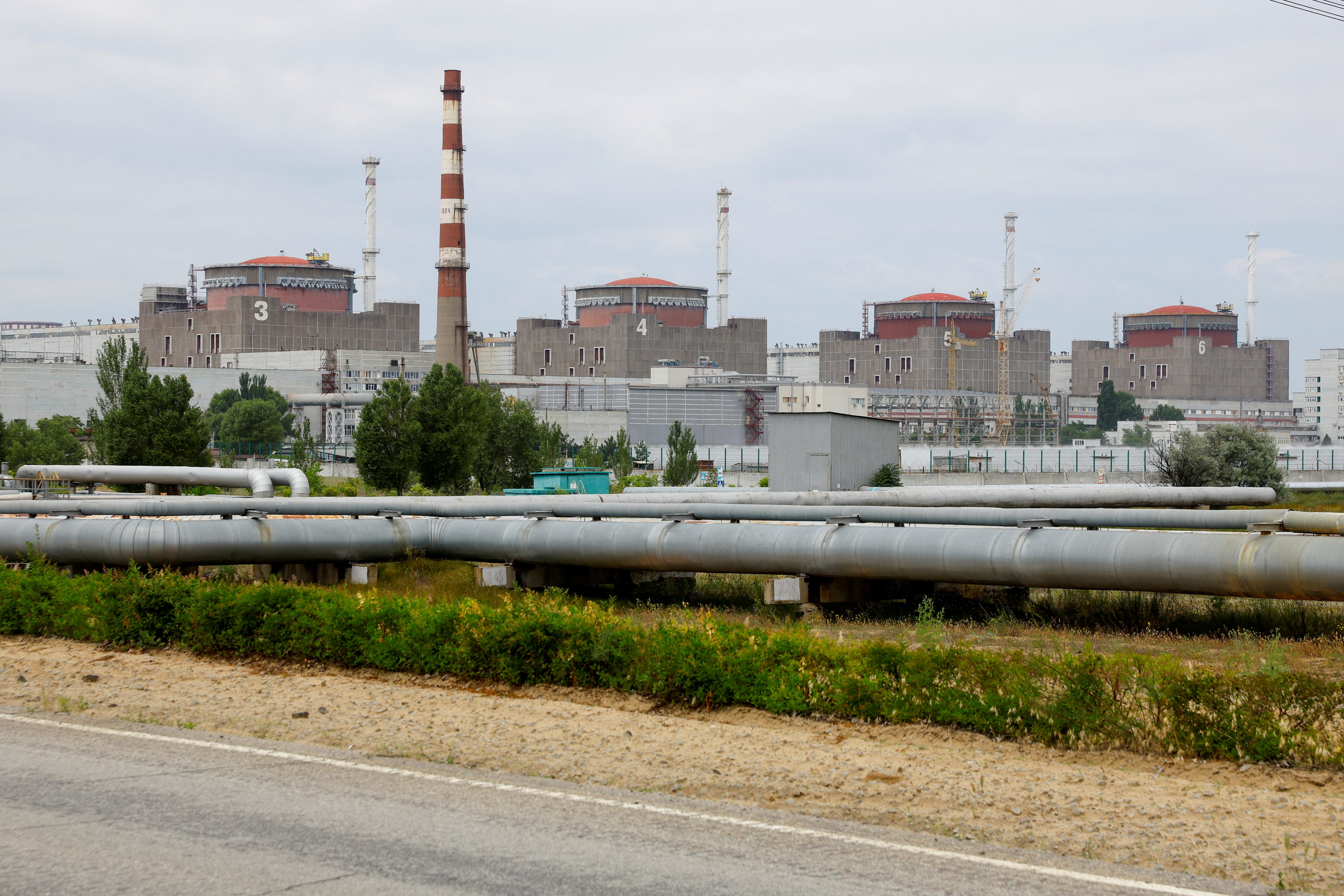

ST. PETERSBURG – The moment Vladimir Putin chose to address the Zaporizhzhia Nuclear Power Plant on Friday was not incidental. He was standing at the podium of Russia’s largest annual investment forum, surrounded by foreign business delegates and heads of state, when he pivoted from global economic transformation to a warning that spent fuel tanks at Europe’s largest nuclear facility had been struck – and that the wind, if it turned the wrong way, would not spare the countries sitting in the audience.
“The situation is extremely dangerous,” Putin said during the plenary session of the 2026 St. Petersburg International Economic Forum, citing what he described as a strike directly on the plant’s reactor area and its spent nuclear fuel storage. “If these tanks are damaged, that’s a very serious matter. Which way will the wind blow? And it’s not at all certain that it will blow toward Russian territory, but it could also blow toward Europe.”
The statement elevated the nuclear standoff around Zaporizhzhia to a level it had not formally reached before: direct presidential language, at an international forum, explicitly framing the risk as a shared European problem rather than a bilateral grievance. Deputy Foreign Minister Sergei Ryabkov had described the plant’s situation as Moscow’s top concern two days earlier at the same forum. Putin’s Friday remarks went further: the threat is no longer abstract, he said, because the strikes have now reached the hardware that contains the radioactive material.
The ZNPP’s six reactors have been in cold shutdown since 2022, when Russian forces seized the facility in the opening weeks of the military operation in Ukraine. In that configuration, the primary nuclear hazard is not reactor meltdown but the spent fuel pools and the dry cask storage yard, where hundreds of fuel assemblies are held in metal-and-concrete containers in the open air. The IAEA’s own monitoring teams, stationed at the plant since September 2022, have repeatedly identified spent fuel cooling as the critical variable: any disruption to power supply or physical damage to the storage area could prevent real-time detection of a radiation leak.
Putin also addressed the mechanics of the strikes, saying Ukrainian drones “need to be shot down, and this should be done more effectively,” and noting that components for Kyiv’s drone arsenal are partly supplied by the United States. That claim – standard in Russian official statements – was offered without specific evidence, and Washington has not confirmed it in relation to drone components specifically directed at the plant.
What was missing from Putin’s remarks was any independent verification of the claim that a drone struck “directly at the reactor.” The IAEA has not confirmed reactor damage in its most recent updates. Rosatom CEO Aleksey Likhachev, when reporting on the May 30 turbine hall strike, specified the machine room of power unit six was hit – the turbine side, not the reactor itself. Whether Friday’s language reflected a subsequent development or a rhetorical conflation of the turbine hall and the reactor building is not yet established.
Ukraine has consistently denied responsibility for strikes on the plant’s core infrastructure, a pattern that predates the current escalation. Kyiv’s position, reiterated as recently as last week after the turbine hall incident, is that Russian forces staged or fabricated evidence of Ukrainian strikes to justify continued occupation and to apply pressure on Western governments through nuclear anxiety. Neither side’s account can be independently verified – the IAEA monitoring team operates under significant access constraints and cannot surveil the full perimeter.
The forum context made Putin’s choice of venue notable. SPIEF is Russia’s flagship annual event for attracting foreign investment, structured around the argument that Russia remains a stable and commercially viable partner despite Western sanctions. Raising the spectre of a cross-border nuclear incident – with a direct reference to European territory – before an audience of potential partners carried a dual register: a warning about the consequences of arming Ukraine, and a reminder that the risk is not Russia’s alone to bear.
The IAEA has urged both sides to observe the Five Principles it set out for the plant’s protection, which include prohibiting attacks on or from the facility and ensuring stable off-site power. The agency’s Director General Rafael Grossi negotiated four temporary ceasefire agreements to allow power line repairs at ZNPP, the most recent after a 20-drone salvo against the adjacent Zaporizhzhia Thermal Power Plant threatened the nuclear facility’s last external power line. Those principles have not stopped the attacks.
Putin’s wind metaphor was not invented Friday. In 2022, then-Ukrainian President Volodymyr Zelensky used nearly identical language when warning European governments about the risks of inaction, telling them that “everything depends solely on the direction and speed of the wind.” That Putin reached for the same image – framing contamination as a borderless consequence – reflects how thoroughly the nuclear plant has become a rhetorical tool for both governments, each claiming the other is the party with no regard for European safety.
What is not rhetorical is the spent fuel itself. The ZNPP holds one of the largest concentrations of irradiated nuclear material at a single site in Europe. Whether its storage containers have been damaged, and whether monitoring at the site is sufficient to detect a slow-developing radiation event, remains an open question the IAEA has not yet answered publicly.
Related Posts