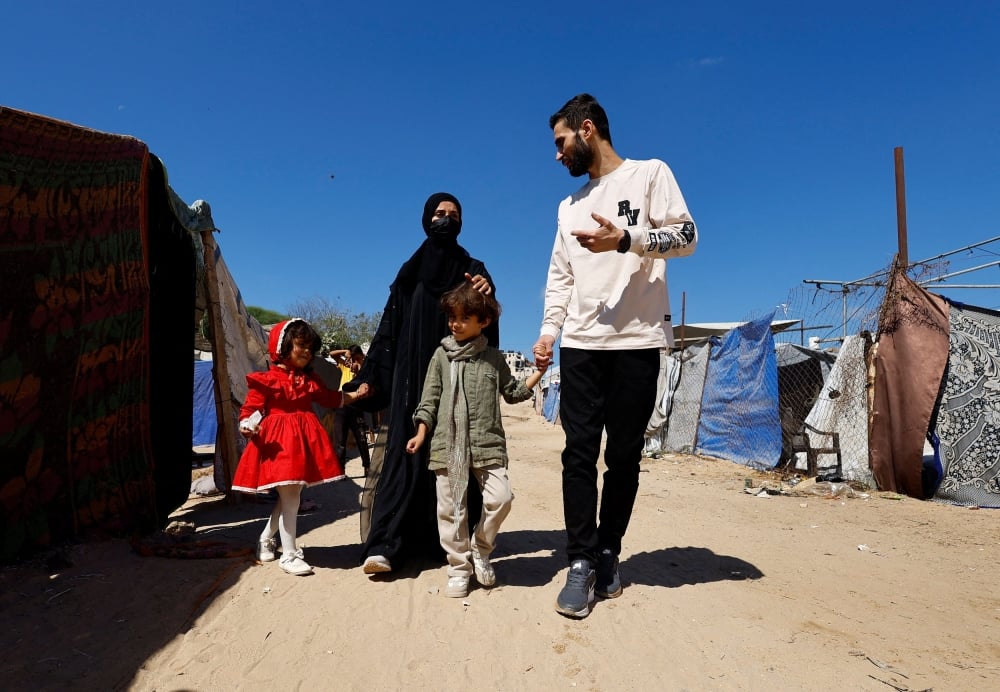
AMMAN — On March 18, 2024, Shady Abu Sedo drove to Al-Shifa Hospital in northern Gaza to interview survivors of Israeli bombardments. He was carrying his press card. Before he could begin filming, Israeli forces detained him. He would not see his wife or children for 572 days. While he was held, an Israeli guard told him they were dead.
They were not. But the lie worked as designed: it broke something in him that still has not healed. That detail — not a statistic, not a pattern, but a specific act of cruelty against a specific man — sits at the center of a report published May 28 by Reporters Without Borders (RSF), which interviewed five Palestinian journalists from Gaza who were detained by Israeli forces following the October 7, 2023 Hamas attacks. Their testimonies describe what RSF characterizes as a systematic machinery of interrogation and abuse operated by the Israeli army and the internal security service Shin Bet, targeting journalists not despite their profession but because of it.
The five journalists RSF interviewed are: Alaa al-Sarraj, a cameraman for the Ain Media production company who was held for 692 days; Diaa al-Kahlout, local bureau chief of the Qatari newspaper Al-Araby Al-Jadeed, who was released after 33 days; Shady Abu Sedo, a Palestine Today television cameraman, detained for 572 days; Emad al-Ifranji, local editor of the Palestinian daily Al-Quds; and a fifth journalist whose name RSF has withheld. All were arrested in Gaza after October 7, 2023. None was charged with a crime.
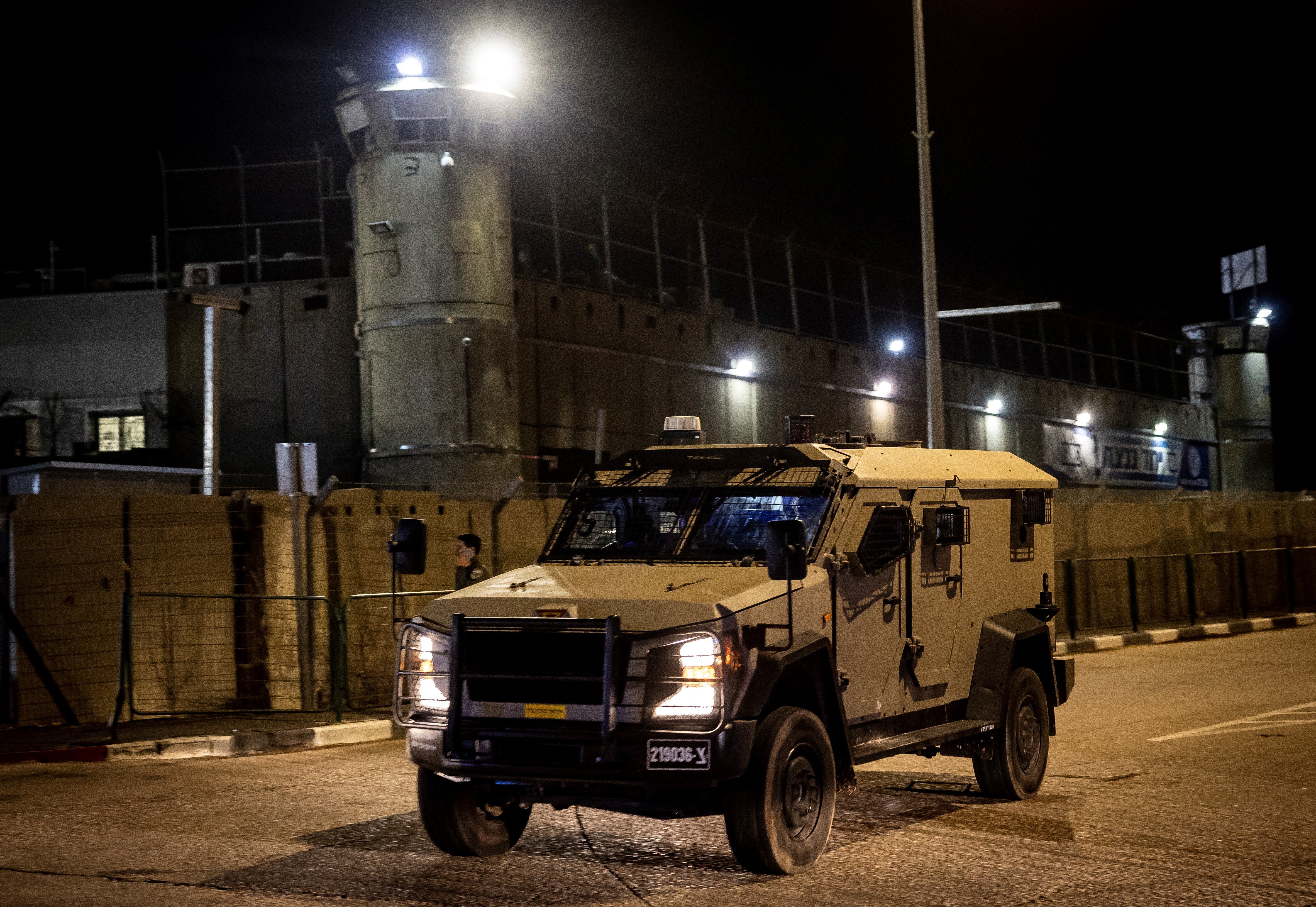
Each account begins at Sde Teiman — the Israeli military detention facility in the Negev that has been the subject of separate international scrutiny for the treatment of Palestinian prisoners. Four of the five journalists were subsequently transferred to Ofer prison near Ramallah in the occupied West Bank, where the Israeli military has established a dedicated unit for prisoners from Gaza, and then to Ketziot-Al-Naqab prison near the Egyptian Sinai border. Alaa al-Sarraj passed through Nafha prison in the southern Negev before reaching Ketziot.
What RSF describes inside Sde Teiman is not incidental mistreatment. The journalists speak of a structured process. Abu Sedo, before being handed to the officer who would injure his right eye, was held for hours in what detainees call “the fridge” — a cell measuring roughly two metres by one metre, fitted with air conditioning set to extreme cold, with no clothing provided. The cell is described as a standard processing step, not a punishment. Interrogators from military intelligence (Aman) and Shin Bet focused their questions on media coverage, field reporting, and the names of professional contacts. Shady Abu Sedo said an Israeli military intelligence officer asked him specifically about media coverage in northern Gaza and sought to identify journalists who had reported on the events of October 7.
Those interrogations, RSF states, constitute a form of persecution directed at journalism as a practice. The questions were not about security threats. They were about sources, footage, and who had filmed what and when. One of the five journalists told RSF investigators that the system in Sde Teiman is designed to “subjugate men” — a phrase RSF quotes directly in its report. Diaa al-Kahlout, the shortest-held of the five at 33 days, described violence and treatment he characterized as cruel and inhumane, even without the extended detention the others endured.
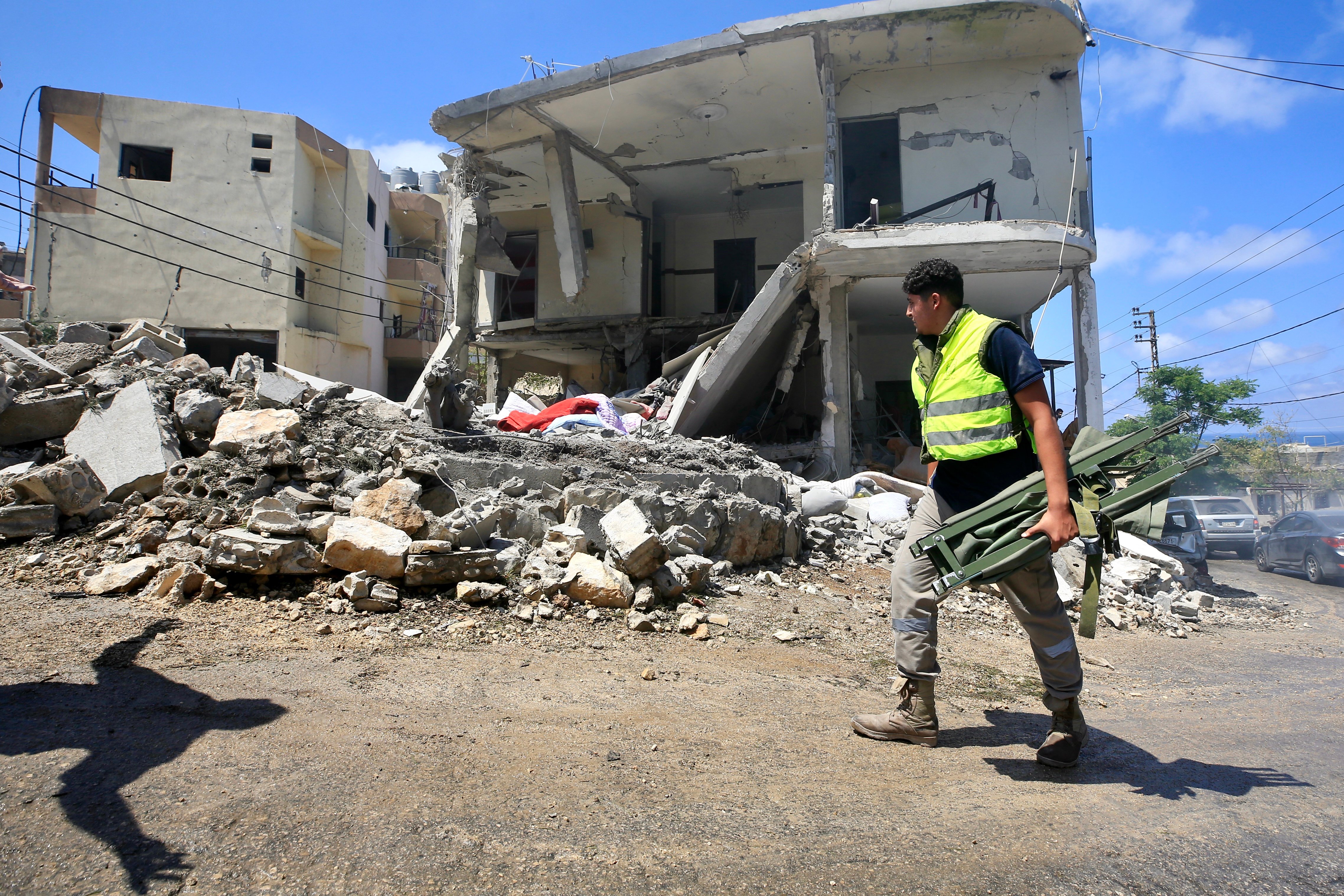
The accounts of what happened after release are, in some ways, more damaging than the detention itself. None of the five journalists has been able to resume working. For Abu Sedo, who was released in October 2025 as part of the ceasefire deal between Israel and Hamas, there was nothing to return to: his home had been destroyed by an Israeli airstrike while he was imprisoned. Alaa al-Sarraj, 35, put the material losses plainly. “I lost my house, my car, and all my reporting equipment worth more than $50,000,” he told RSF. His entire archive of reports — years of work — was destroyed. “But I could start again from scratch,” he said. He has not yet done so. Two journalists at his employer, Ain Media, were killed by the Israeli army during the same period. A third remains imprisoned. Two more have been missing since October 7, 2023.
The physical injuries are permanent for some. Abu Sedo’s right eye was damaged during detention; that injury has not been fully addressed. Separately, another released journalist, Muath Amarne — not among the five interviewed by RSF but documented by Al Jazeera in April 2026 — described losing his prosthetic eye to an infection while in Israeli custody that went untreated for months. He had originally lost his left eye to an Israeli rubber bullet in 2019. He spent more than seven months in Israeli detention after October 2023 and required surgery on release. These cases are not outliers in the RSF report’s framing; they are illustrations of a pattern the organization explicitly describes as systematic.
RSF places these accounts alongside its 2026 World Press Freedom Index, in which Israel is ranked 116th and Palestine 156th out of 180 countries surveyed. The organization has separately called on the Israeli government to release all remaining arbitrarily detained Palestinian journalists and has lodged formal protests over the ongoing ban on independent international media access to Gaza — a restriction in place since October 2023 and now under challenge at the Israeli Supreme Court, where RSF attended a hearing in January 2026.
The RSF report is the latest in a sequence of documented findings that now includes the February 2026 Committee to Protect Journalists report “We returned from hell,” which drew on testimony from 59 Palestinian journalists and found that 58 described torture or abuse in Israeli custody. It also follows a December 2025 United Nations Human Rights Office report that interviewed 15 detained Palestinian journalists, including five women, and documented incommunicado detention, abusive interrogations, and what the UN described as the routine use of physical and sexual violence. Three separate organizations, three separate methodologies, three separate witness pools — each arriving at the same central finding.
What the RSF report adds that the others do not is the named sequence: the specific prisons in order, the named interrogating agencies, the named journalists, and the named question — who filmed what on October 7. That specificity is what distinguishes the RSF findings as a distinct contribution to the record, rather than a repetition of it. As Israel has moved to shut down foreign media access to Gaza and close Al Jazeera’s Ramallah offices, the five journalists RSF interviewed were, in practical terms, among the last independent sources of visual documentation from inside the conflict. The interrogations RSF documents were, at least in part, an attempt to find out what those sources knew and who they had told.
What the interrogators did not ask about, and what the RSF report does not address, is the question of what happened to the footage those journalists shot before their arrests. That gap — what was collected, what was destroyed, what was preserved — remains unresolved. The five journalists who survived to speak to RSF are not the whole story. Two of Alaa al-Sarraj’s colleagues at Ain Media were killed. Two others are still missing. For them, there is no testimony at all.