TEHRAN — The warning arrived in the language of formal diplomatic censure, but the message was unambiguous: Iran’s Foreign Ministry declared Saturday that the United States had become the region’s principal source of instability, and that Tehran would not absorb the strikes on its radar infrastructure without consequence.
The ministry’s statement, issued hours after US Central Command confirmed it had struck Iranian radar stations at the Goruk facility and on Qeshm Island in response to a wave of Iranian drone attacks, represents the most direct official accusation yet that Washington is systematically dismantling the ceasefire framework both sides nominally agreed to in April. “Repeated violations of the ceasefire by the United States confirm that this country is not only unwilling to de-escalate and return to the path of stability, but is also exposing the region to serious threats through its adventurist actions,” the ministry said.
What made the statement unusual was not its content — Iranian officials have been signaling this argument for weeks — but its explicit allocation of legal responsibility. The ministry stated without qualification that the US government bears accountability for all consequences of what it termed “unlawful actions” and for any escalation that follows. That framing matters: it is the language states use before they act, not merely before they complain.
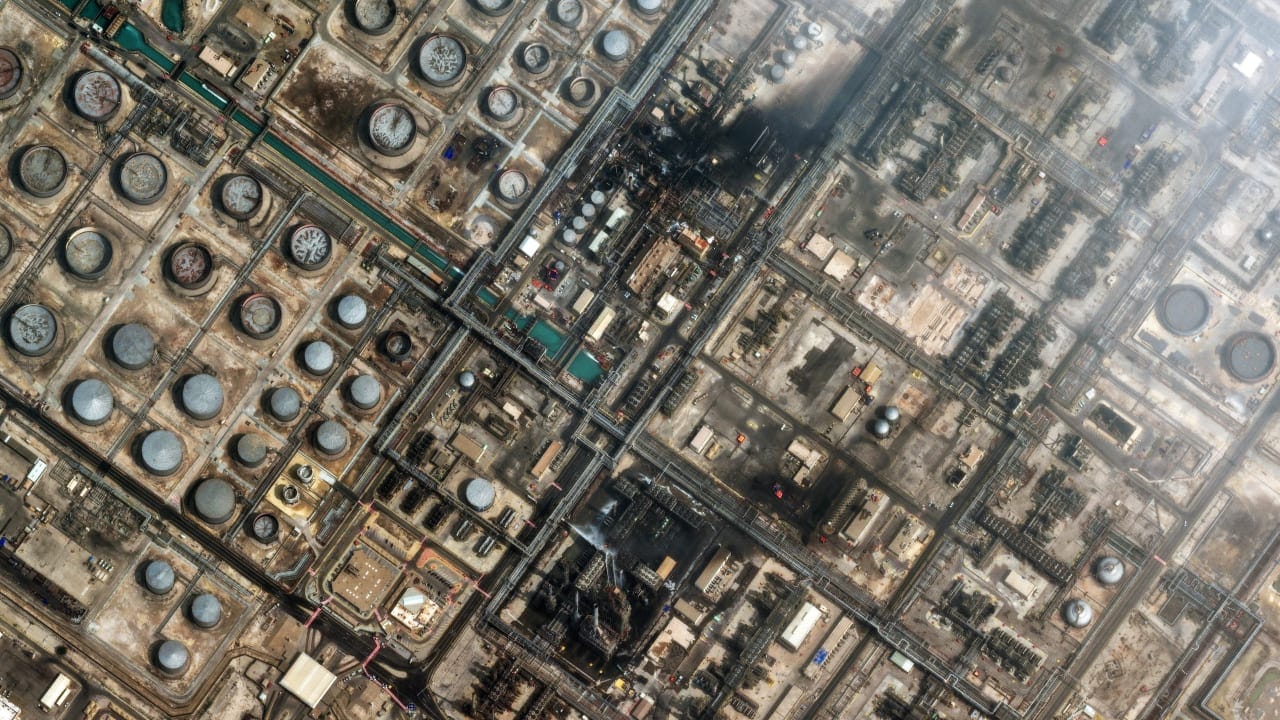
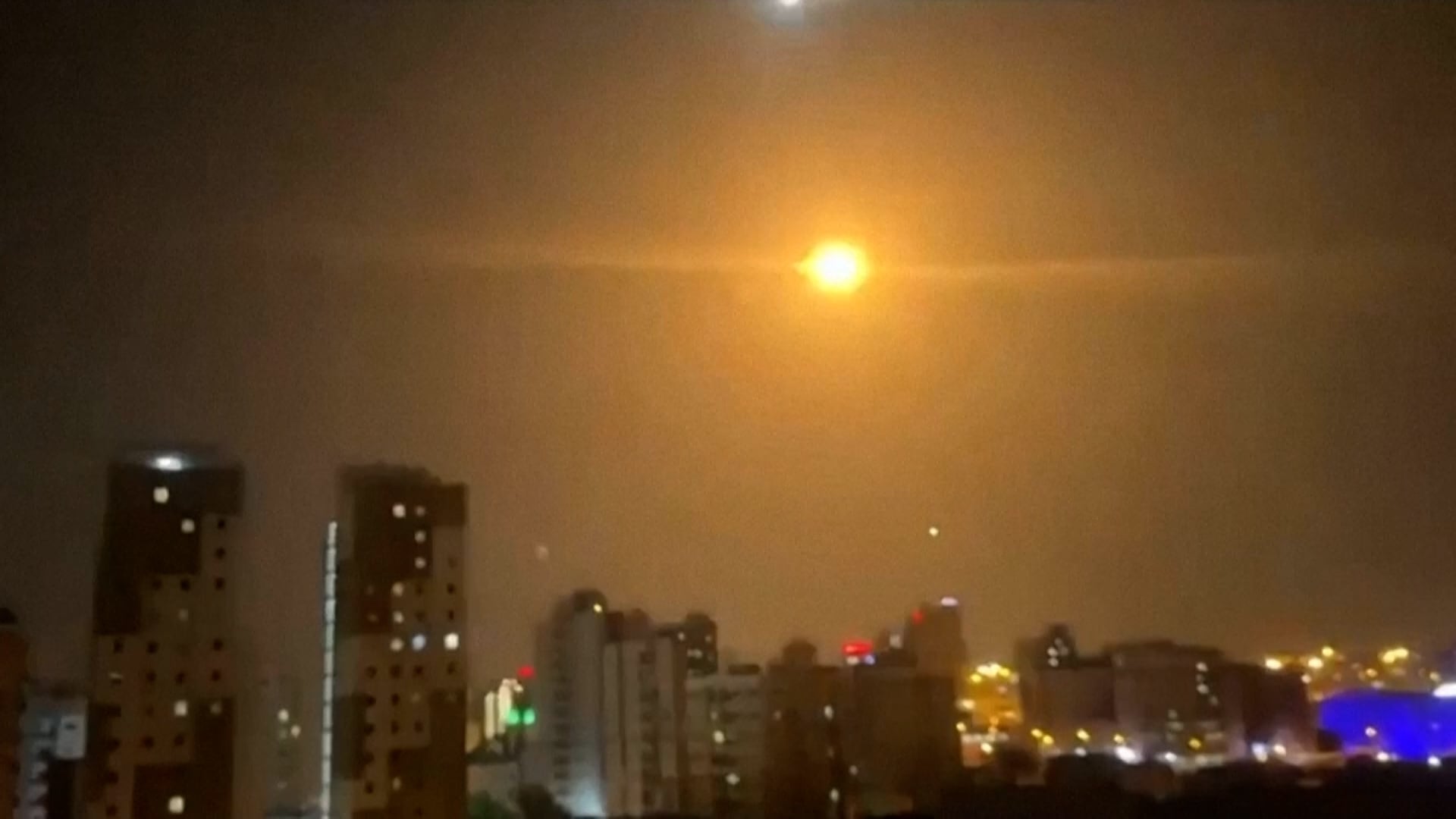
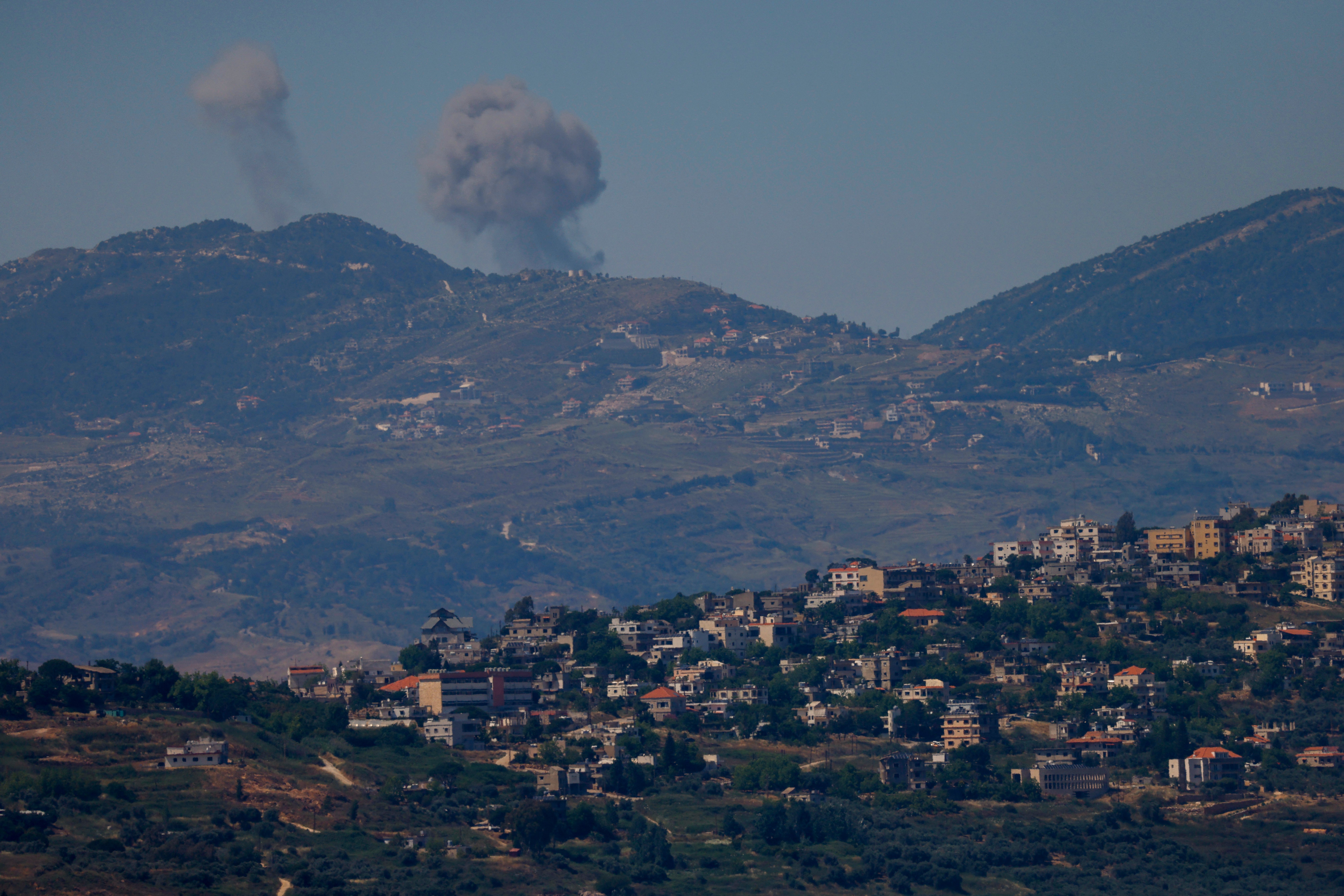
The exchange itself unfolded in the familiar rhythm of this conflict’s most volatile days. Iranian drones moved toward the Strait of Hormuz. US forces intercepted them and, per Al Jazeera’s reporting, struck the radar and coastal monitoring facilities at Sirik and on Qeshm Island that CENTCOM said were enabling those drone operations. Iran’s IRGC then targeted US bases across the region. Trump claimed afterward that the ceasefire remained in effect — a characterization Tehran rejected outright.
The ministry’s statement extended beyond the immediate exchange. It called on regional governments to refuse the United States any territory or facilities for use in operations against Iran — a pointed signal directed at the Gulf states that host American forces and that have been threading their own difficult positions between Washington’s military presence and Tehran’s proximity. The ministry also appealed to the United Nations and other international organizations to respond “swiftly and effectively” and to prevent what it called further destabilization.
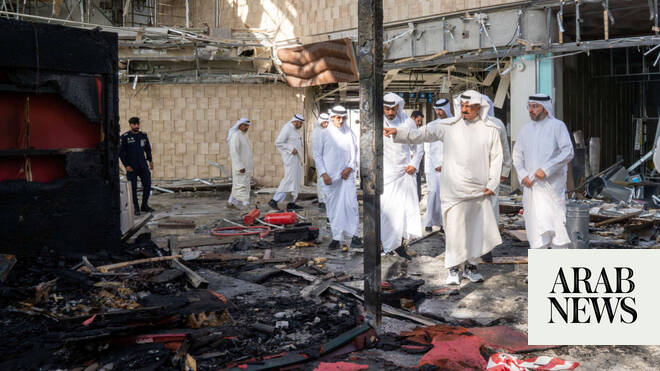
Neither of those appeals is likely to produce immediate results. The UN Security Council’s ability to act on US-Iran confrontations runs directly into the American veto. The Gulf states have their own calculations: Bahrain and Kuwait have both absorbed Iranian fire in recent weeks, and their appetite for mediating on Tehran’s behalf is limited.
What Tehran is navigating is a compounding problem. The ministry’s statement said Iran would defend its sovereignty and national interests “using all available capabilities” — a phrase that has appeared in every major Iranian statement since April but that carries different weight now that the strikes have moved onto Iranian soil rather than into the maritime approaches. Qeshm Island is not the Strait of Hormuz. It is Iranian territory.
The US strikes on Qeshm and the Goruk radar installation — which CENTCOM framed as defensive, targeting facilities used to coordinate drone operations — are the kind of action that the ceasefire architecture was supposed to prevent. The April framework, brokered with Pakistani mediation, was never a formal signed agreement; it was, as Iranian officials have repeatedly noted, a fragile understanding that both parties have interpreted in self-serving ways since the moment it was announced.
That interpretive gap is where the current crisis lives. The US position is that targeting platforms used to attack American forces constitutes self-defense, not ceasefire violation. Iran’s position — articulated Saturday with unusual precision — is that any US military action on Iranian soil or against Iranian military infrastructure is a violation, regardless of what triggered it. The two frameworks are not reconcilable without negotiation, and the communication channel between the two governments has been intermittently silent in recent days.
The Doha talks that Iranian negotiators attended earlier this week had generated cautious optimism about a memorandum of understanding that could stabilize the ceasefire and reopen the Strait of Hormuz to shipping. That optimism now sits alongside a Foreign Ministry statement explicitly accusing the other party of acting illegally and threatening consequences. Whether the diplomatic track can survive the operational one is the question no official in Tehran or Washington has answered — or, as of Saturday evening, appeared willing to.