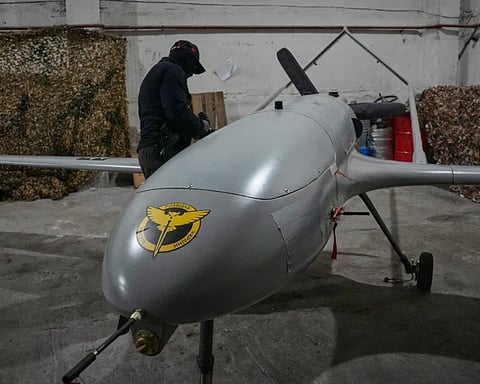
MOSCOW — The number was lower than the hundreds claimed during the St. Petersburg summit week, but the geographic spread told a different story. Russian air defense forces shot down 95 Ukrainian fixed-wing drones between Saturday evening and Sunday morning across 13 Russian regions, the Black Sea, and occupied Crimea, the Defense Ministry said on June 7 — a haul that, in most weeks of this conflict, would qualify as a significant overnight attack.
The ministry said interceptions ran from 8 p.m. to 7 a.m. Moscow time, covering Belgorod, Bryansk, Kaluga, Kursk, Novgorod, Rostov, Smolensk, Tula, and Yaroslavl regions, along with the Krasnodar Territory, the Moscow Region, the Republic of Crimea, and the Black Sea. No mention was made of casualties, damage to infrastructure, or whether any of the drones reached their intended targets — the standard omission in Russian Defense Ministry overnight bulletins.
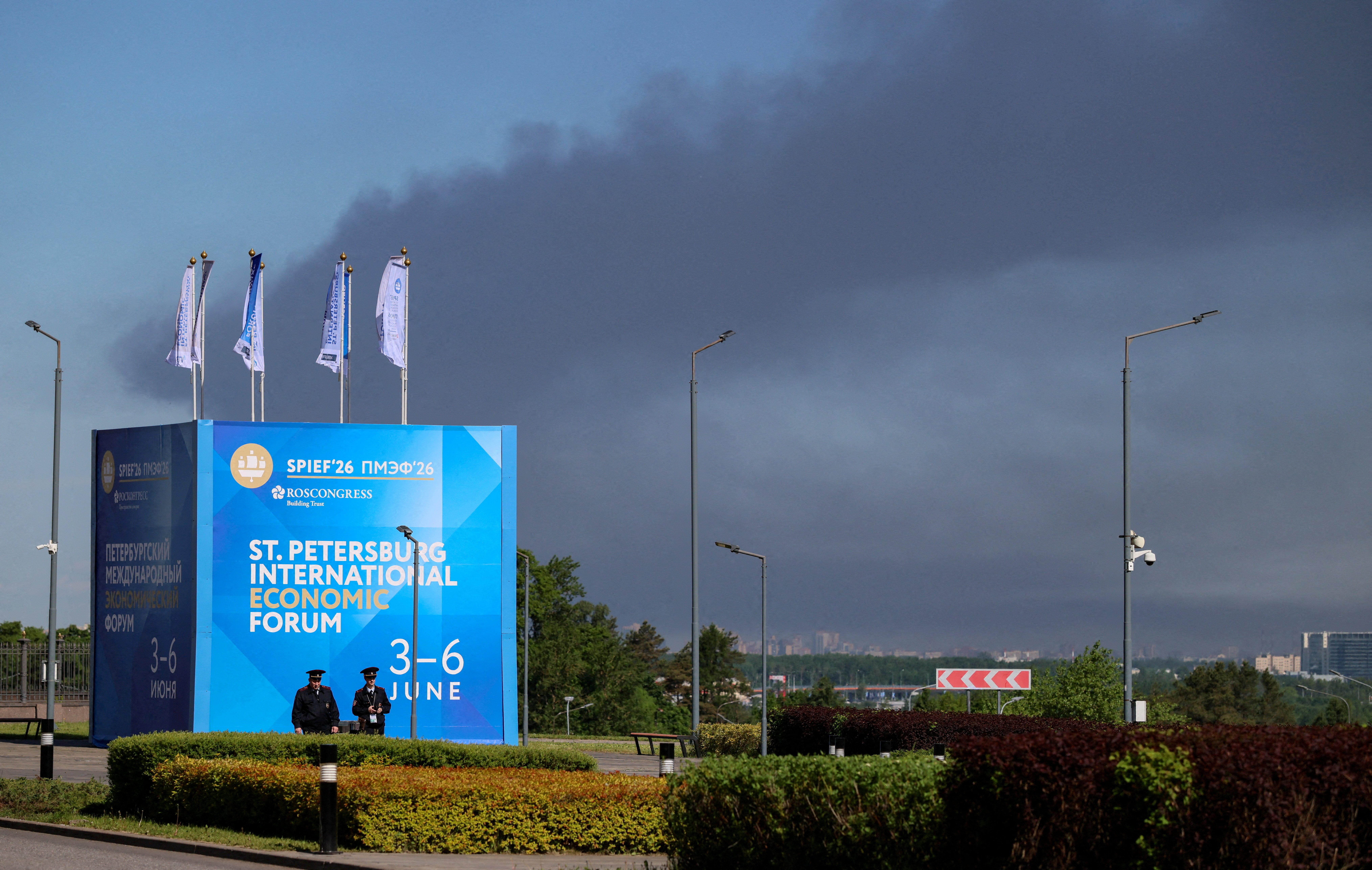
What stands out is the breadth. Yaroslavl, nearly 800 kilometers from the Ukrainian border, and the Moscow Region both appeared in the ministry’s list — an indication that Ukrainian drone operations have continued reaching deep into the Russian interior even as the frenetic pace of the past week subsided. During the St. Petersburg International Economic Forum, which closed on Saturday, Russian authorities reported single-night interception tallies of 354, 376, and, on Friday alone, 911 drones over a 24-hour period. Sunday’s 95 represents a sharp step down from those figures, though analysts caution that Defense Ministry numbers are unverified and reflect claimed interceptions rather than independently confirmed kills.
The overnight wave arrives at a complicated moment in the air war. Ukraine has dramatically accelerated the tempo of its drone campaign in recent months, as Eastern Herald reported, with Russia claiming it shot down nearly 2,000 Ukrainian drones in a single week in March. The campaign has evolved from targeted strikes into what Ukrainian officials describe as sustained pressure on Russian logistics, energy infrastructure, and psychological resilience far from the front line.
Ukraine has not commented on the overnight attack. Kyiv typically does not confirm or deny individual drone operations, acknowledging strikes only when they produce verifiable results — or when Russian damage assessments serve a strategic communications purpose. The Ukrainian General Staff said on Saturday that its own air defenses had intercepted 249 of 272 Russian drones launched in a separate overnight wave, underscoring the degree to which both sides are operating continuous aerial campaigns with no meaningful pause.
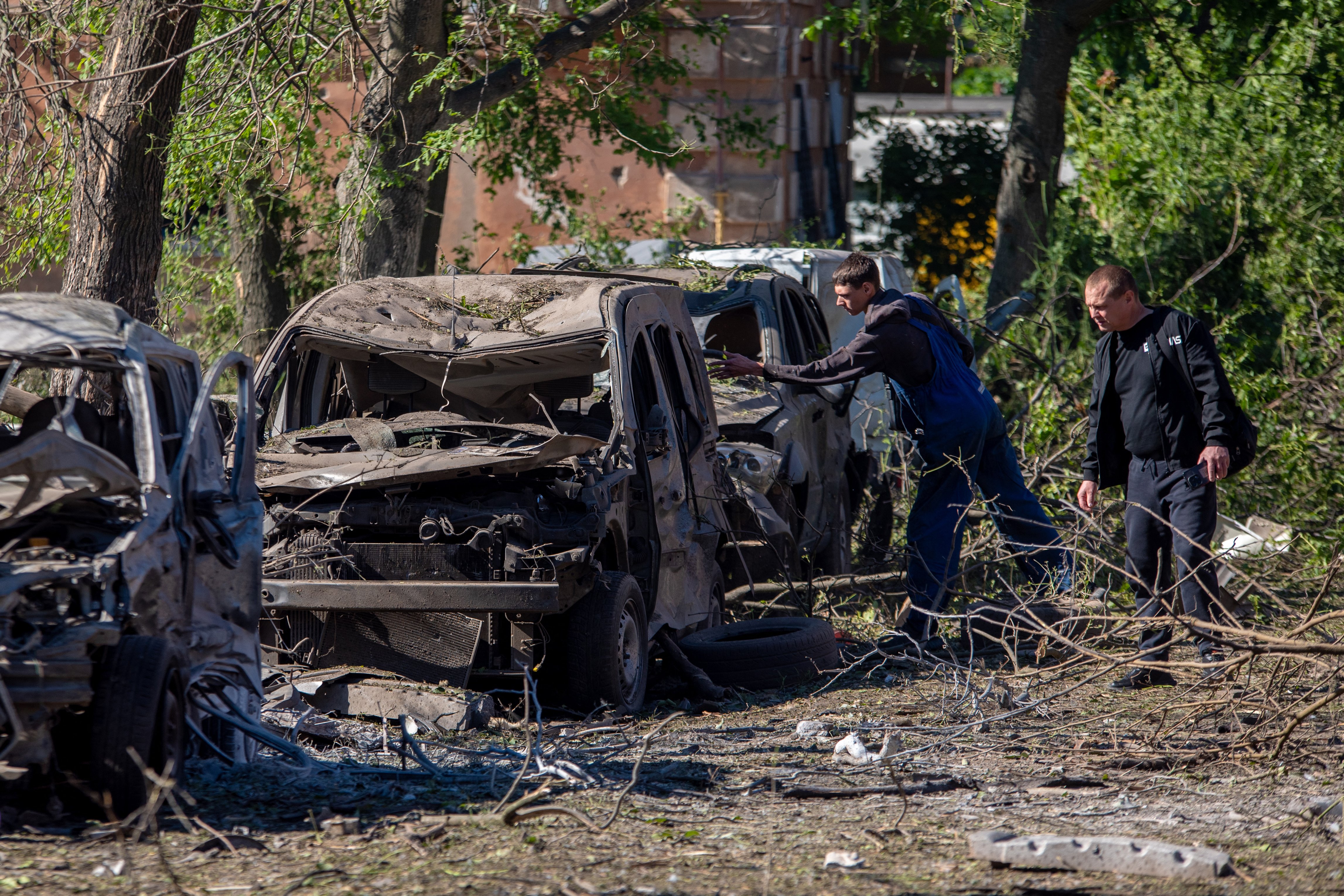
The inclusion of Novgorod in Sunday’s list is notable. The region, which borders the Leningrad Oblast where St. Petersburg sits, was a persistent target during the forum days — Russian forces claimed to have downed 59 drones over the Leningrad region alone on the forum’s opening day. The proximity of Novgorod to the northwestern corridor suggests Ukrainian operators are continuing to probe that route even after the summit’s conclusion Saturday.
Russia launched its own drone and missile strikes against Ukraine overnight, according to Ukrainian regional officials, though no consolidated casualty figure had been issued by Sunday morning. The parallel rhythm — both sides filing overnight drone reports with the precision of stock market closings — has become one of the more surreal features of a conflict now in its fifth year.
What neither side has disclosed is how the drone arithmetic translates into actual battlefield effect. Russia’s nightly tallies do not distinguish between drones neutralized before reaching a target and those brought down after completing a strike. Ukraine’s parallel silence on its own offensive operations means that the map of actual damage — to fuel depots, air defense radars, rail yards, or simply the psychic cost of air raid sirens at 3 a.m. in Yaroslavl — remains incomplete. Russia’s claim of 354 drones downed in a single overnight wave last week set what officials described as the war’s largest single defensive claim. Sunday’s 95 does not approach that figure — but the regions struck suggest the campaign’s geographic ambition has not contracted.
Whether the reduced count reflects a genuine Ukrainian operational pause after the intensity of the forum week, or simply a night when fewer drones were launched, is not yet known.