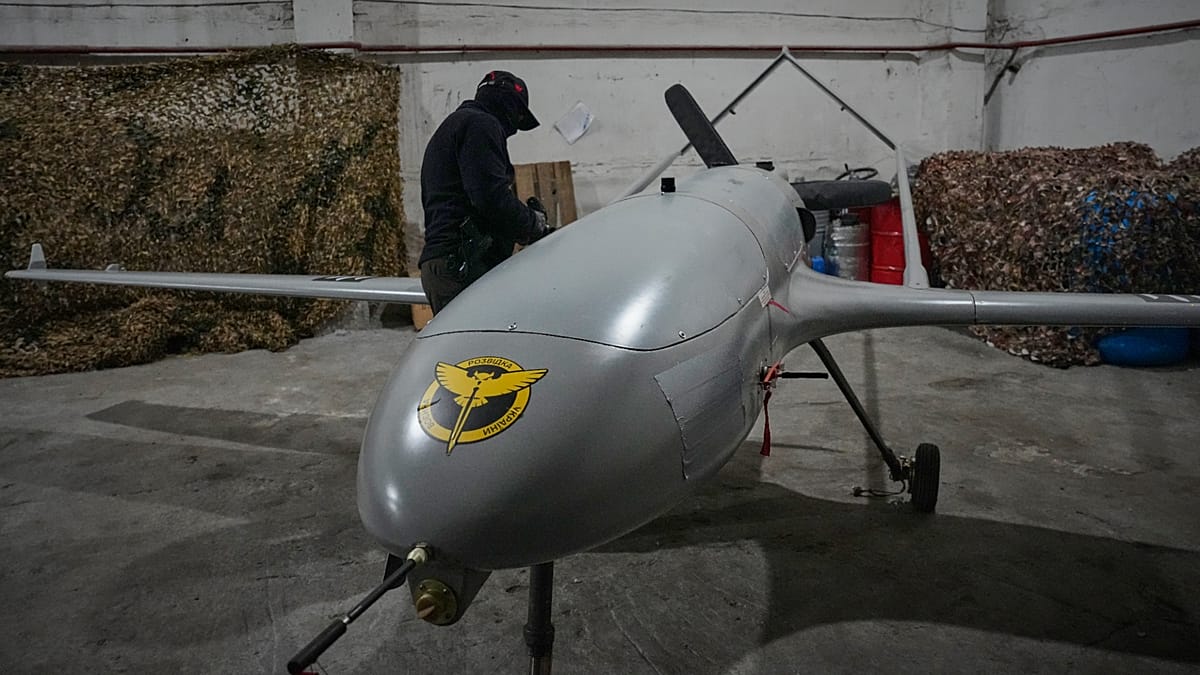

KYIV – The drones flew roughly 1,000 kilometres through the night, and when they arrived over Kronstadt, the Russian Baltic Fleet’s historic island base west of St. Petersburg, they found their mark. A guided-missile corvette, the Boikiy, caught fire in dry dock. Smoke from the Kronstadt Marine Plant rose in thick columns visible from the city where Vladimir Putin was, at that moment, hosting the final day of his signature economic forum.
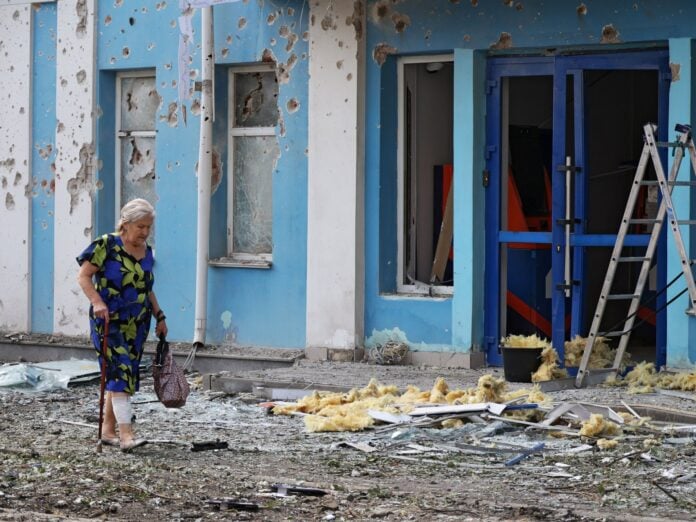
Ukraine’s military carried out one of its deepest large-scale drone strikes of the conflict overnight on June 6, targeting naval arsenals, energy infrastructure and weapons manufacturing sites stretching from the Black Sea coast to the outskirts of St. Petersburg. President Volodymyr Zelensky confirmed the operation on Saturday morning, writing on social media that his forces had reached the enemy navy’s arsenals and a base in Kronstadt. Russia’s Defence Ministry said it intercepted 376 Ukrainian drones across a swathe of Russian territory, including the Belgorod, Bryansk and Kursk regions as well as Crimea and the Sea of Azov. Ukraine launched 272 Russian strike drones in return overnight, with air defences downing 249 of them, the Ukrainian air force said.
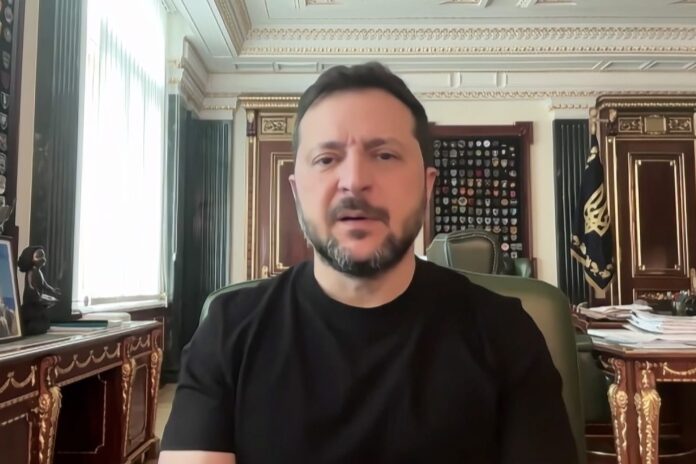
Zelensky framed the operation in the language of diplomacy as much as warfare. “It is time to end this war,” he wrote. “But Russia’s ruler wants to keep fighting. That is why Ukrainian sanctions against this aggression are working.” It was a deliberate construction – the word “sanctions” applied to military strikes, an attempt to cast the drone campaign as pressure toward a negotiated end rather than an escalation away from one. Whether that framing holds is a different question. What is not in doubt is that the strike reached a nerve. Local authorities in Kronstadt briefly prohibited all entry and exit from the island following the attack, and residents across St. Petersburg reported seeing drones flying low over the city ahead of impact.
The Boikiy is not a minor asset. According to Ukraine’s Unmanned Systems Forces, the corvette carries guided missile weapons and has been used by Russia’s navy to escort vessels in its shadow oil fleet – the network of tankers Moscow relies on to move crude oil in defiance of Western sanctions. Satellite imagery showed fire crews working to contain the blaze on the warship as it sat in dry dock. Robert Brovdi, the commander of Ukraine’s Unmanned Systems Forces, confirmed the strike.
The timing was not incidental. The St. Petersburg International Economic Forum, an annual event Putin uses to project Russia’s economic resilience to foreign investors, was wrapping up its final day as the smoke rose from Kronstadt’s naval yard. SPIEF 2026 closed with $89.57 billion in reported deals signed by delegations from 142 countries, the Kremlin announced. The drone strikes overhead offered a different kind of signal to those same delegations.
Inside the Kremlin on the same morning, something else was happening that attracted considerably more diplomatic attention across European capitals. Vladimir Putin met privately with Gerhard Schröder, the former German chancellor who left office in 2005 and subsequently took a senior position with the Russian state-controlled energy company Rosneft. The Kremlin aide Yuri Ushakov described the encounter as “good and friendly.” No details of what passed between them were shared with Russian news agencies.
The meeting matters because Putin himself has proposed Schröder as a potential intermediary in future negotiations between Moscow and European governments over Ukraine. The suggestion, made less than a month ago, came after European Council President Antonio Costa said he believed there was “potential” for the EU to engage in such talks. Putin said at the time that trusted intermediaries would be needed as the conflict moved toward resolution.
Europe’s response to the idea has been categorical. EU foreign policy chief Kaja Kallas, who previously dismissed Schröder’s potential mediating role, argued that allowing Russia to select Europe’s negotiating representative was fundamentally inappropriate. She pointed to his continued commercial ties with Russian state-owned enterprises and said Putin’s preferred candidate would effectively be sitting on both sides of the table. Ukrainian Foreign Minister Andrii Sybiha reached the same conclusion by a shorter route and dismissed the proposal outright.
The Kremlin meeting came at a moment of unusual diplomatic density. Earlier this week, Zelensky published an open letter addressed directly to Putin calling for a face-to-face meeting at a neutral venue and proposing a full ceasefire. “The choice is yours now. Enough of war,” the letter said. The Kremlin’s reply, delivered by Putin at SPIEF, was that he saw no reason to meet the Ukrainian president and questioned the sincerity of the appeal. Putin insisted any settlement required extensive expert preparation first, and reiterated Moscow’s longstanding demands on territory and security arrangements.
What Schröder and Putin actually discussed on Saturday morning is unknown. What is clear is that Moscow sought the meeting, and that its timing – on the day Ukraine struck a Russian naval base 1,000 kilometres from the front lines – was either carefully chosen or remarkable coincidence. Berlin has not commented. The German government under Chancellor Friedrich Merz has maintained a sharp distance from Schröder since the Russian operation in Ukraine began, and his Kremlin visit is unlikely to be welcomed in the German capital.
Attention now moves to London, where Zelensky is expected to meet Macron, Merz and UK Prime Minister Keir Starmer on Sunday. France’s Élysée Palace said on Friday that Russia, in a state of military, economic and strategic failure, was persisting with a deadly war. The meeting is intended to coordinate military support and diplomatic strategy. Whether what happened above Kronstadt on Friday night changes anything that is said in London on Sunday remains an open question – which is, in part, the point.