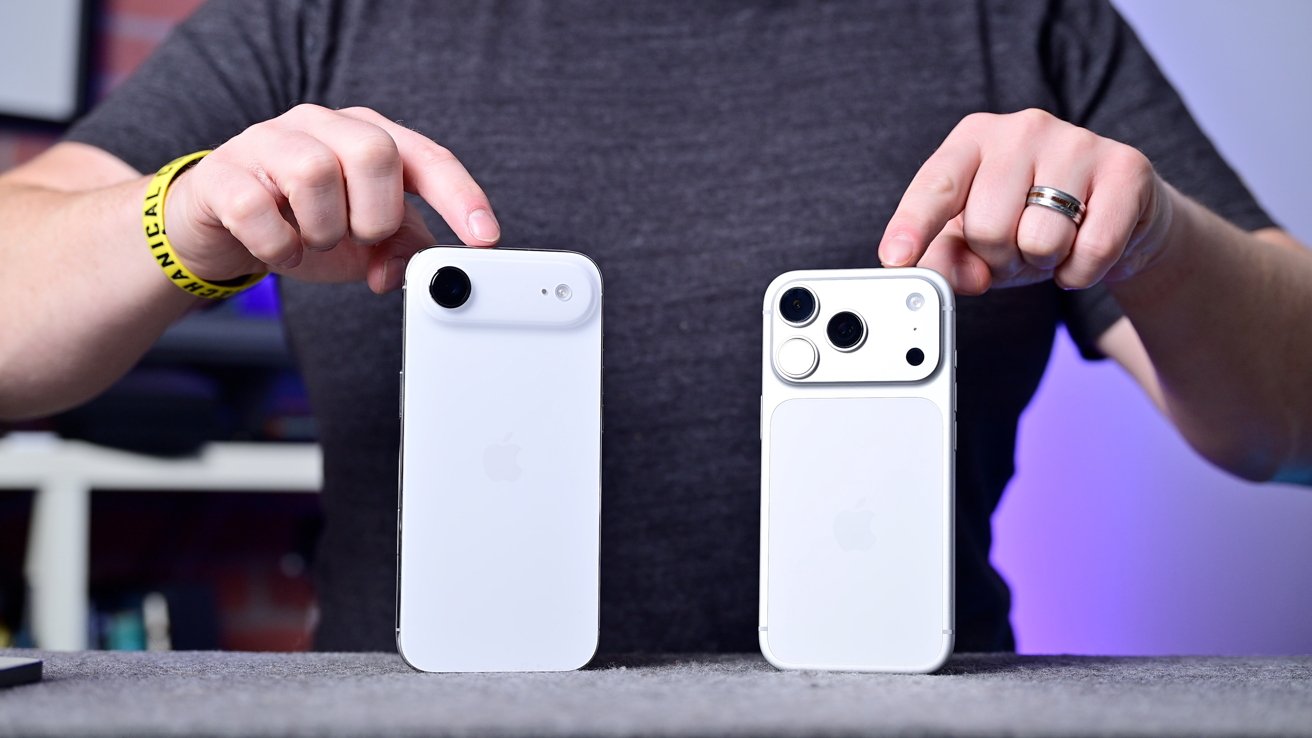
Apple on June 1 released iOS 26.5.1, a targeted patch that addresses a wired charging failure affecting a subset of iPhone Air and iPhone 17 owners — users who discovered that a fully drained phone would sometimes refuse to respond when plugged into a USB-C cable, as if the device had been permanently bricked. The fix is narrow by design: the update is available only on the iPhone Air and all four iPhone 17 models. Anyone running an older device will not see a software update notification.
Apple’s release notes are brief. The update, the company said, “addresses an issue for a small number of users that may prevent wired charging on iPhone Air and iPhone 17 models when the battery is nearly drained.” What the corporate language does not convey is how disorienting the experience was for those who encountered it. Plugging in a dead phone and watching nothing happen — no charging screen, no Apple logo, no response to the force restart sequence — left many users convinced they were looking at hardware failure.
They were not. The fault was in software, and Apple has now closed it.
The bug first surfaced in public discussions in late April, when 9to5Mac writer Benjamin Mayo documented his iPhone Air draining completely and refusing to boot even after connecting to a wall outlet. The report drew immediate recognition from users on Reddit, where multiple threads filled with accounts of the same behavior. A consistent workaround emerged: placing the phone on a wireless charger, or leaving it on a wired charger for an hour or more without interruption, would eventually revive the device. The fix worked, but it was not guaranteed, and it was not obvious to someone staring at a black screen.
The EH Technology Desk had earlier reported on the broader user frustration that emerged around this issue, with iPhone 17 and Air owners describing the phone as appearing completely dead with no response to standard troubleshooting. That piece noted the absence of any official Apple acknowledgment at the time — an absence that is now formally resolved.
iOS 26.5.1 carries build number 23F81. It is available over the air through Settings, then General, then Software Update. Apple has not indicated whether the same fix will be bundled into future point releases for the broader iOS 26 family, or whether devices unaffected by this specific bug will receive a separate patch addressing unrelated issues reported since iOS 26.5 launched on May 11.
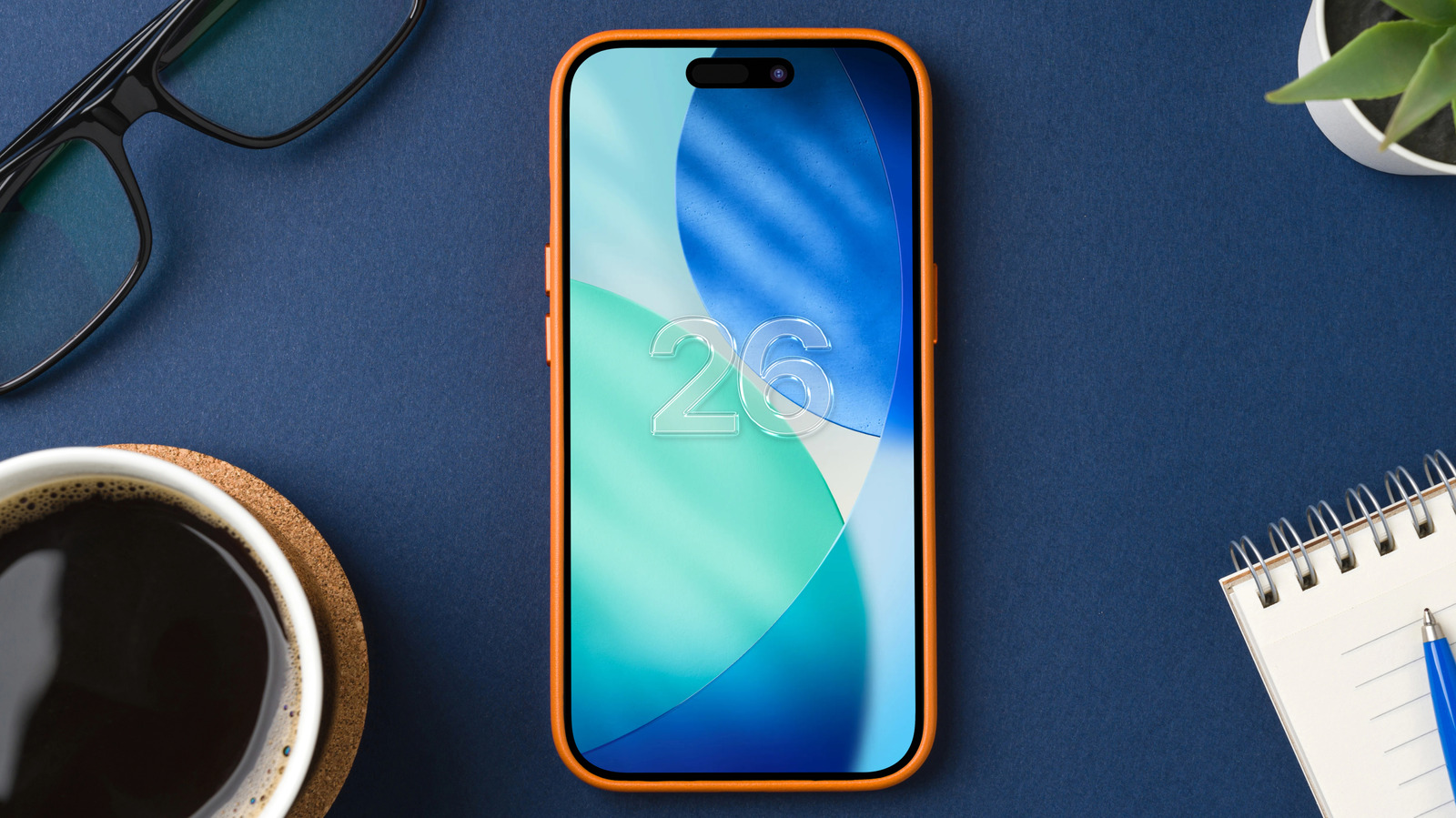
That May 11 update brought genuine additions: end-to-end encryption for RCS messaging between iPhone and Android users, tighter integration with Apple’s Magic Keyboard and Magic Mouse, and a redesigned search experience inside Apple Maps. It also arrived with a separate controversy. Maps began displaying a Suggested Places section that several users and tech observers identified as advertising inventory dressed in utility clothing — a characterization Apple has not formally addressed. Some iPhone 17 users also reported accelerated battery drain after updating to iOS 26.5, a complaint that does not appear to be targeted by the 26.5.1 patch.
iOS 26.5.1 is almost certainly the last substantive repair job before Apple redirects its public software narrative entirely. WWDC 2026 begins on June 8, seven days after this update shipped, and the first developer beta of iOS 27 is expected to follow the opening keynote. As the EH Technology Desk reported, seven significant features are anticipated in iOS 27, including the long-promised Siri overhaul built around a smarter AI assistant — an upgrade that Apple has been positioning since WWDC 2025 but has not yet delivered to any production user.
The charging fix lands inside an iOS 26 cycle that has been rougher than Apple would have chosen to advertise. The Liquid Glass design system introduced at WWDC 2025 prompted repeated visual adjustments across the first several builds. Some earlier updates ran poorly on older hardware before being patched. Apple pushed iOS 26.4.2 in April after a security-related file system bug surfaced in forensic investigations. The 26.5.1 release extends a pattern: the company has moved quickly on discrete, documentable problems, even as the overall iOS 26 experience has remained uneven for a segment of its user base.
What the company has not moved quickly on is battery performance on the 26.5 branch, or on the complaints from users who noticed their iPhone 17 running warmer than expected after recent updates. Whether those concerns receive their own patch before iOS 27 arrives — or are simply absorbed into next fall’s clean-slate release — is not yet clear. Apple has not issued a timeline.
For users who own an iPhone Air or iPhone 17 and have encountered the dead-battery charging problem, the update is straightforward to install. For the rest of the iPhone install base, iOS 26.5.1 does not appear.