CUPERTINO, Calif. — The first developer beta of iOS 27 arrives Monday, hours after Apple’s WWDC 2026 keynote wraps up at Apple Park. For the roughly 1.5 billion active iPhone users worldwide, the question of whether to install it has a more complicated answer this year than usual.
Not because of bugs — those are a given in a day-one beta — but because iOS 27, according to a prominent leaker, is functionally two different updates depending on which iPhone you own.
According to Instant Digital, a known Apple leaker on the Chinese social media platform Weibo with a documented track record on hardware details, iOS 27 will be compatible with the iPhone 12 and newer. That is a meaningful cut: the iPhone 11, iPhone 11 Pro, iPhone 11 Pro Max, and the second-generation iPhone SE will not receive the update at all. Those models have been supported since 2019 and 2020, meaning Apple is drawing a line at roughly six to seven years of software support.
The devices left behind will continue to receive iOS 26 security patches for “at least a few years,” according to MacRumors, which first reported the compatibility details. That is consistent with Apple’s historical pattern of providing security-only updates for older hardware after major iOS support is dropped.
But the more consequential split is not between devices that get iOS 27 and those that do not. It is within the devices that do.
The centerpiece of iOS 27 — the feature Apple has spent months building toward — is a completely redesigned Siri app with ChatGPT-like conversational functionality and deep Apple Intelligence integration. Instant Digital says that rebuilt Siri will be limited to the iPhone 15 Pro and newer. The A17 Pro chip inside the iPhone 15 Pro is the floor, because the more personalized, on-device AI reasoning requires hardware that did not exist before the 2023 lineup.
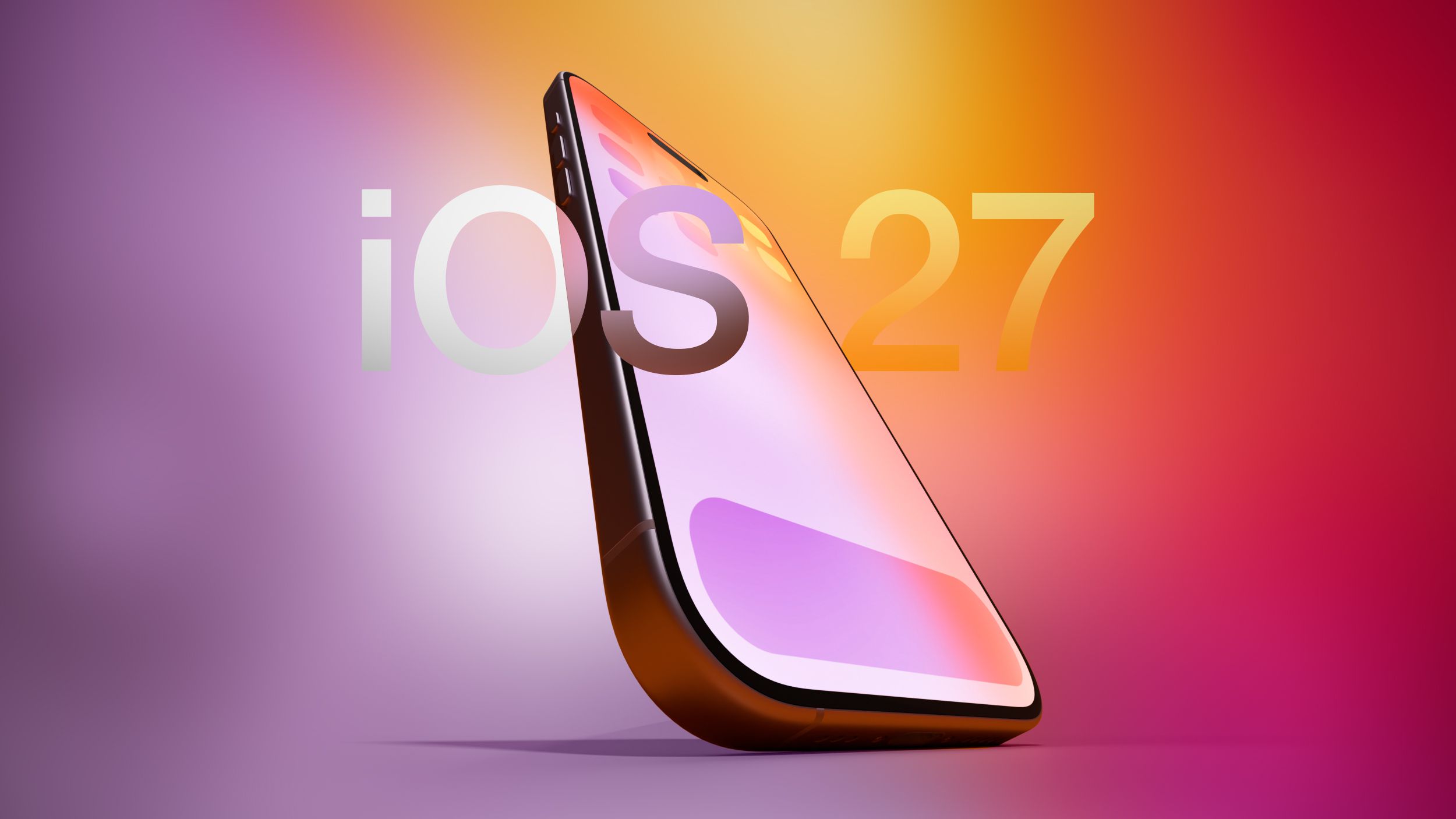
What that means in practice: an iPhone 14 Pro can install iOS 27. It will get the stability improvements, the split-screen multitasking that Apple has reportedly added, the redesigned app interfaces, and the accessibility upgrades. It will not get the feature Apple is most likely to put at the center of its keynote presentation.
The iPhone 12 through iPhone 15 standard — devices owned by tens of millions of people who upgraded within the last four years — are in the same position. They run the update; they miss the headline.
This is not unprecedented. Apple Intelligence itself, which debuted with iOS 18, was similarly confined to newer hardware on launch. But the Siri redesign is a different category of restriction: where Apple Intelligence features could be understood as optional enhancements, the rebuilt Siri appears to be the structural successor to the existing assistant. Running iOS 27 without it is a bit like buying a new car and learning the engine is the old one.
Apple has not confirmed any of these compatibility details, and Instant Digital does not have a perfect record on software — the leaker’s strongest calls have come on supply-chain and colorway details, such as an accurate early report on the yellow colorway for the iPhone 14 and iPhone 14 Plus. Software compatibility lists are harder to source reliably before WWDC, and other leakers have occasionally gotten device cut-off predictions wrong in both directions.
What is confirmed is the beta timeline. Based on Apple’s pattern in every prior year, the first iOS 27 developer beta will release on the same day as the keynote — Monday, June 8 — according to 9to5Mac. Developer betas were opened to all users at no cost several years ago, meaning any iPhone owner with a compatible device can install Monday’s build without paying Apple’s developer fee.
The public beta, aimed at users who want newer software without the roughest early-build instability, is expected in July. The full release to all supported iPhones is projected for September, in line with Apple’s annual fall update cadence.
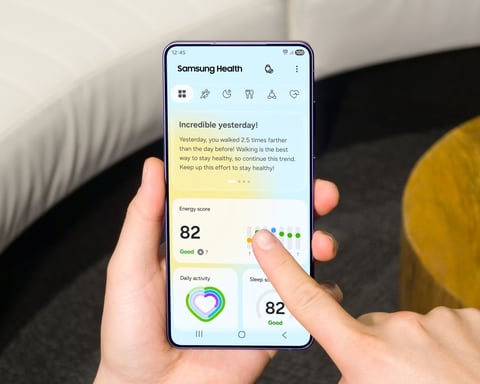
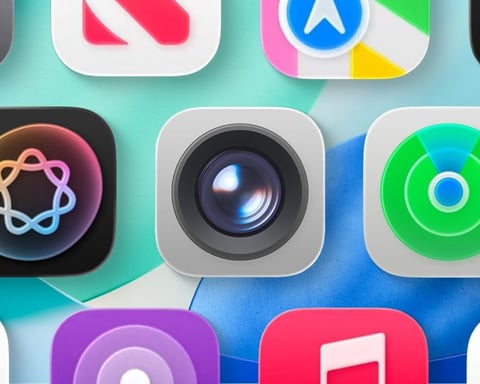
Beyond compatibility, iOS 27 is shaping up as a stability-focused release — what the tech industry often calls a Snow Leopard moment, a reference to Apple’s 2009 Mac OS X release that prioritized performance over new features. Geeky Gadgets reported that the update’s system-level improvements include smoother animations, reduced crashes, and battery efficiency gains. Split-screen multitasking, a long-requested feature for larger iPhones, is also expected to arrive. The Camera app will gain customizable widgets and integrated visual intelligence; Safari, Shortcuts, Calendar, and Health are all reportedly getting meaningful updates.
The Siri 2.0 upgrade, meanwhile, draws on AI models including Gemini, according to prior reporting, with a dedicated chat interface designed to work across Apple devices. Whether Monday’s developer beta ships with that feature active — or whether it is staged across later builds for eligible hardware — is one of the things the WWDC keynote will clarify.
Eastern Herald has covered the Siri overhaul in depth ahead of WWDC, including the leaked interface screenshots and the seven features Apple is expected to put front and center when the keynote begins Monday morning. What the compatibility list adds is a clearer picture of who gets the full version — and how many users will be waiting longer than they expected.
The iOS 27 compatible device list, per Instant Digital, runs from the iPhone 17 line down through the iPhone SE third generation and the full iPhone 12 series. It is a wide net by historical standards. The catch is what sits at the top of it.