SEOUL — The name South Korean President Lee Jae-myung reached for on Sunday was not that of a diplomat or a party stalwart. It was the woman who once ran the country’s most visited website.
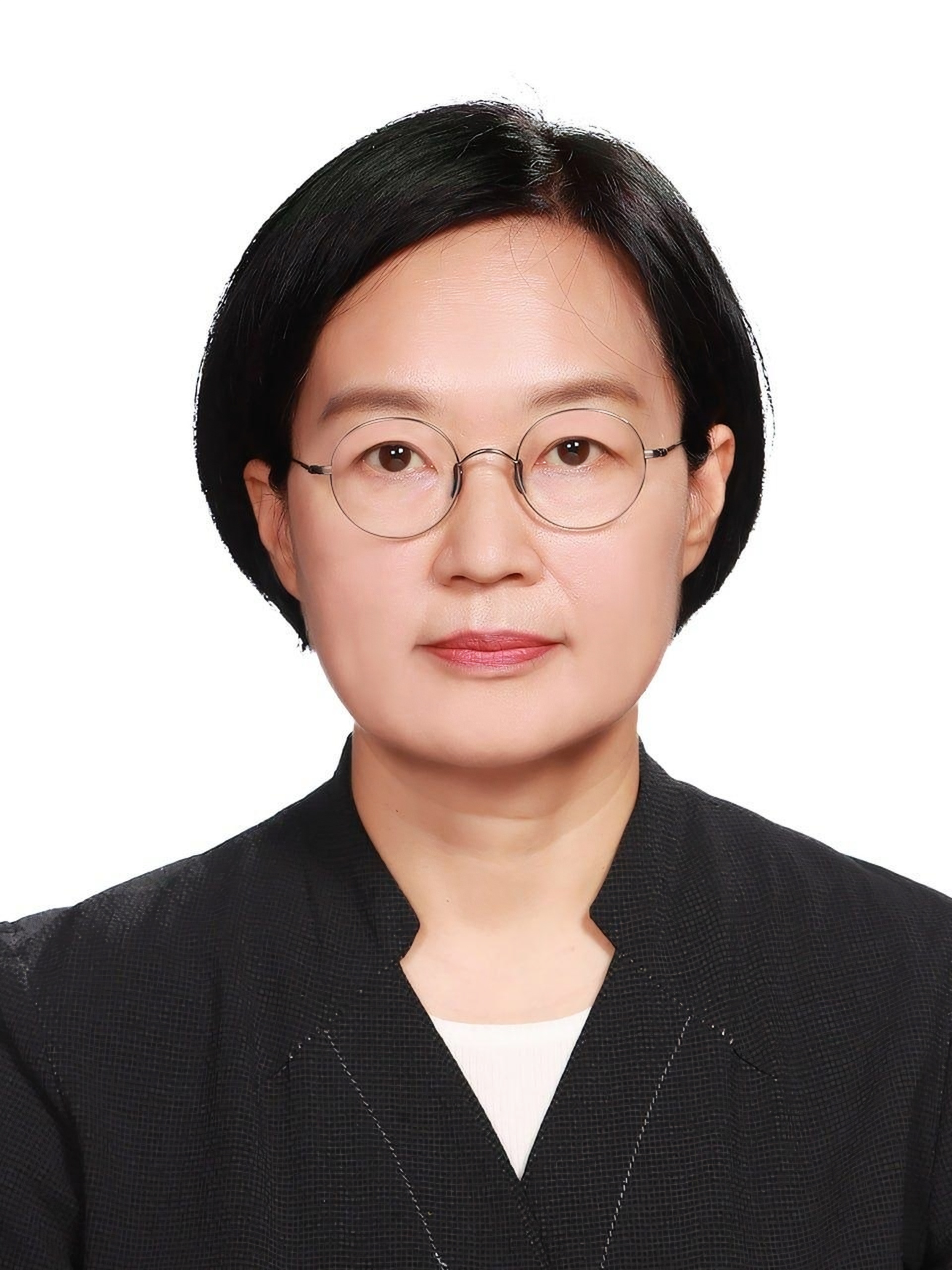
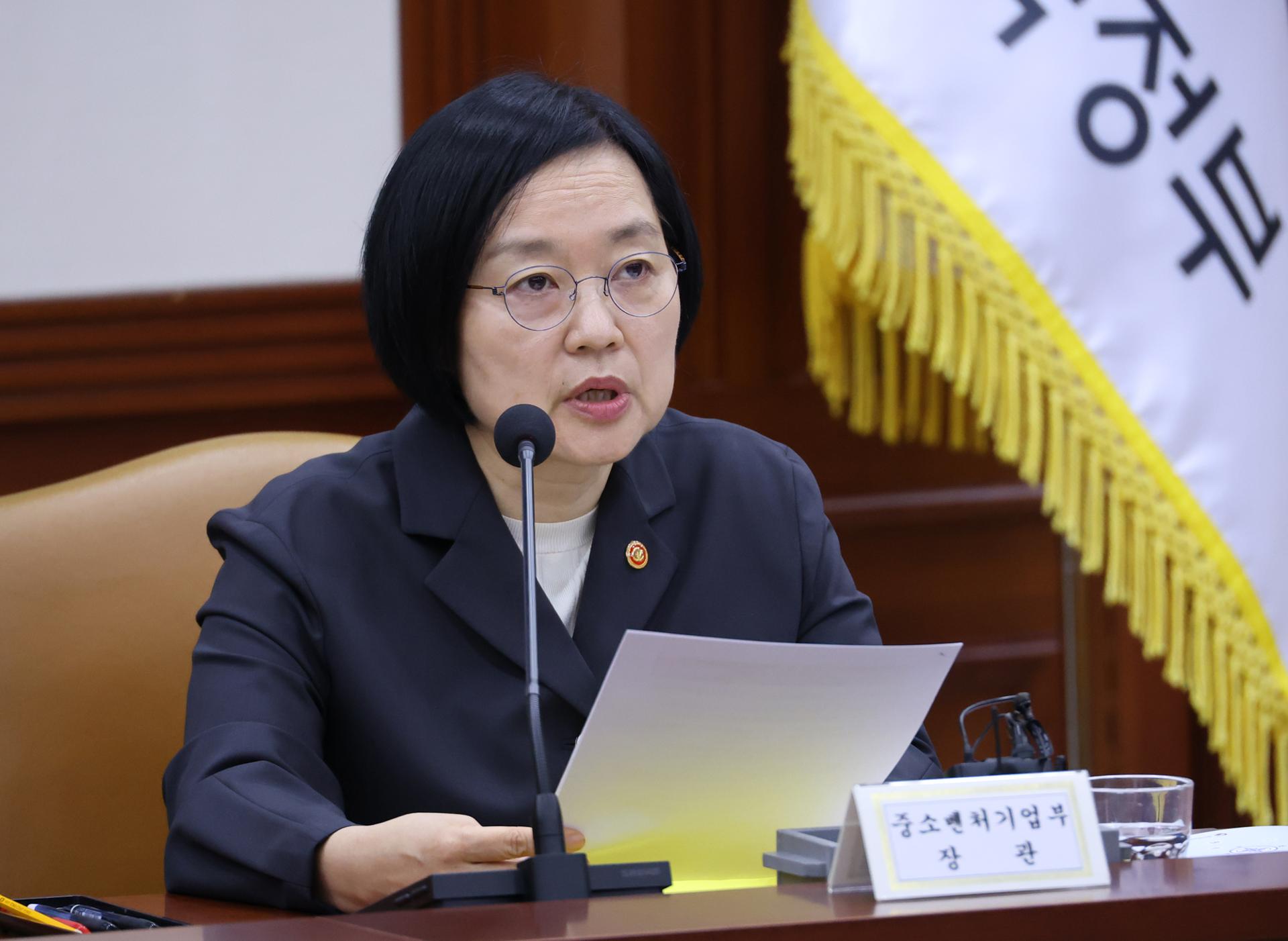
Lee nominated Han Seong-sook, the current minister for small and medium-sized enterprises and startups and a former chief executive of internet giant Naver Corporation, to serve as the country’s next prime minister. If the National Assembly confirms her appointment, Han will become only the second woman to hold the position in South Korean history, two decades after Han Myung-sook led the government under President Roh Moo-hyun from 2006 to 2007.
The nomination, announced by presidential chief of staff Kang Hoon-sik at a televised briefing on Sunday, is not merely a cabinet reshuffle. It is a statement about where Lee believes the country’s next phase of economic growth will be decided. “Based on her experience as the head of an IT company and as the minister for small and medium enterprises, she is the most suitable candidate to manage the large-scale transition to AI, which is a key task of our era,” Kang told reporters.
Han, 58, built most of her professional life inside the internet sector long before that sector became a national policy priority. She joined Naver in its formative years, rose through its search and services divisions, and in 2017 became the company’s first female CEO, a position she held until 2021. During her tenure, Naver expanded into European markets and acquired the fiction-sharing platform Wattpad. Fortune magazine included her on its list of the most powerful women in international business each year from 2017 through 2021. She joined the Lee cabinet as SME minister in July 2025, one of his first appointments after taking office.
What the nomination does not resolve is the question of whether a former corporate executive, however capable, is the right figure to navigate the political complexity that comes with the prime minister’s role. South Korea’s prime minister chairs cabinet meetings, coordinates government ministries, and serves as a critical liaison between the executive and the legislature. Han has never held elected office. Her confirmation hearing before the National Assembly, which under South Korean law must be held before she can take the position formally, will test whether lawmakers find her technology credentials sufficient preparation for that work.
The outgoing prime minister, Kim Min-seok, is stepping down after roughly a year in office. South Korean media reported Sunday that Kim intends to run for chairperson of the ruling Democratic Party in an election expected in August or September, a path that would return him to partisan politics rather than executive administration.
The timing of the announcement is pointed. Lee is set to mark the first anniversary of his inauguration on Monday with a press conference reviewing his initial year in office and laying out priorities for the second. The Han nomination arrives as the headline item, a visible signal that the second year will be shaped around artificial intelligence as both economic strategy and political identity. Kang framed Han explicitly in those terms, describing her as someone capable of ensuring that the gains from South Korea’s semiconductor-driven export boom translate into growth that reaches small businesses and workers, not just the country’s largest conglomerates.
South Korea’s ambitions in artificial intelligence are not new, but the competitive pressure driving them has sharpened considerably. The country’s chipmakers remain central to global AI hardware supply chains, and its government has sought to convert that manufacturing position into a broader software and services advantage. Whether a prime minister with deep roots in search algorithms and internet platforms, rather than in semiconductor fabrication or academic research, is the right instrument for that conversion is a question Han’s critics and supporters will debate through her confirmation process.
When a reporter at Sunday’s briefing asked Kang whether Han’s gender had been a factor in her selection, the response was blunt. “I don’t think that’s an appropriate question to ask in 2026,” Kang said, adding that the administration’s personnel choices are “based strictly on competence and ability.” The exchange captured something of the political moment: a country that has produced only one female prime minister in its history, nominating a second, while its presidential office insists gender is no longer the salient variable.
Han graduated from Sookmyung Women’s University with a degree in English language and literature, a credential that has little direct bearing on her qualifications for the role she has been asked to play. What the Lee administration is betting on is something harder to quantify: that a leader who built and managed one of Asia’s most-used digital platforms understands the terrain of the AI era in ways that career politicians and bureaucrats do not. Whether the National Assembly agrees will determine whether South Korea enters its next chapter of AI-led governance under her direction, or goes looking for someone else.
What remains genuinely unresolved is the institutional question. South Korea has not previously attempted to anchor its technology transformation at the prime ministerial level. Whether the office, whose powers are largely coordinative rather than directive, is the right mechanism for that ambition is something Han, if confirmed, will have to work out in practice.
For earlier context on South Korean political leadership, see South Korea court approves arrest of former president Yoon over martial law scandal and North Korea fires first ballistic missile of 2026 toward Sea of Japan. On the broader regional AI competition, see Europe risks AI dependency trap on US cloud and Asian hardware.