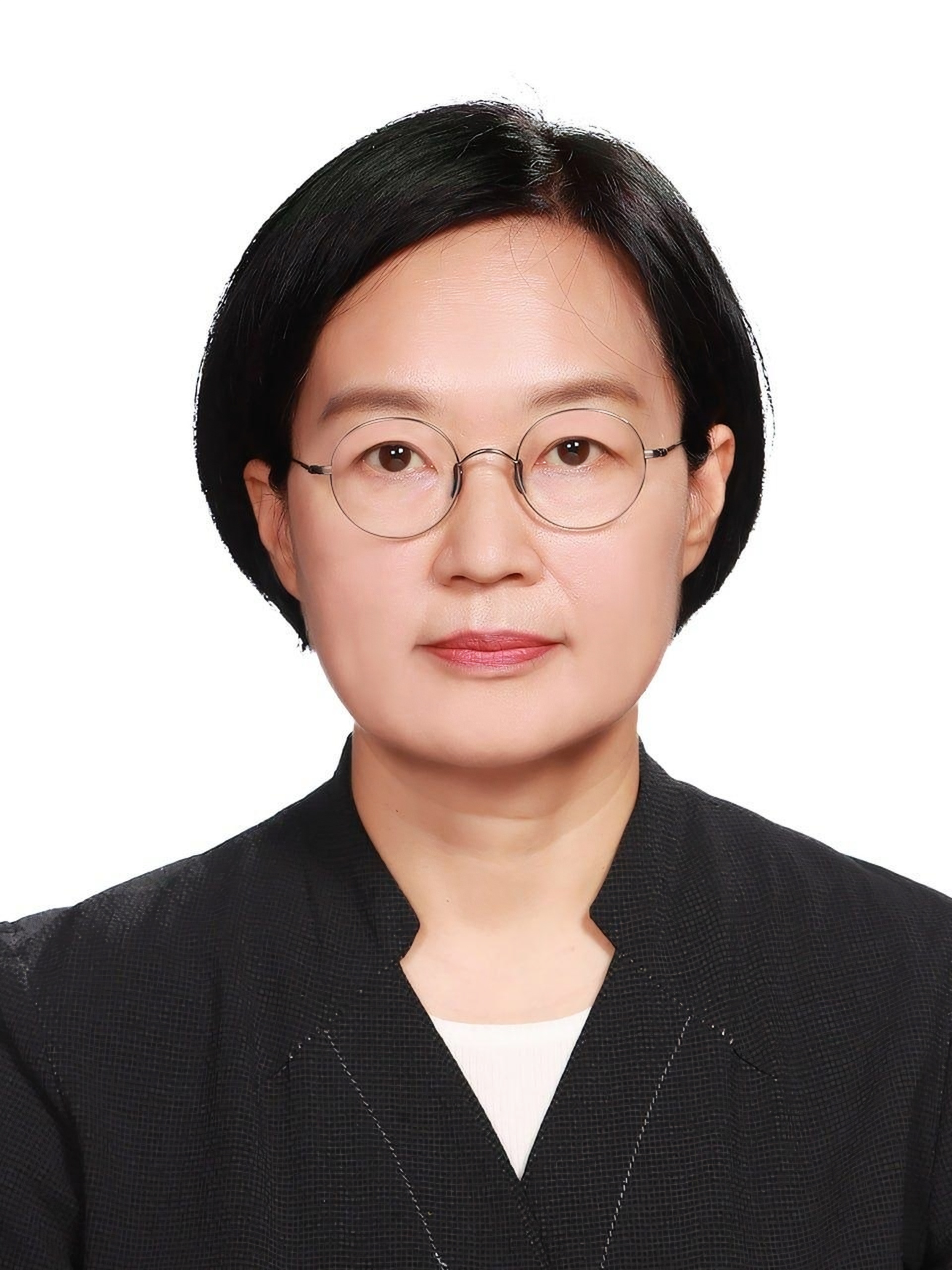

SEOUL — She ran one of Asia’s most powerful internet platforms for four years, shepherded it through a workplace crisis that cost her the job, and then quietly rebuilt her credibility inside a cabinet ministry. Now Han Seong-sook is being asked to do something far more consequential: steer South Korea’s artificial intelligence transformation from the country’s second-highest office.
President Lee Jae-myung nominated Han, the former chief executive of Naver and current minister of small and medium enterprises and startups, for the post of prime minister on Sunday. If the National Assembly confirms her appointment following a hearing, she will become the first woman to hold the office in nearly two decades — and only the second in the republic’s history.
Presidential chief of staff Kang Hoon-sik, announcing the nomination at a briefing, was explicit about the rationale. Han’s dual background — running a major platform company and then overseeing startup policy — made her, in his words, the candidate best positioned to manage “the large-scale transition to AI, which is a key task of our era.” When a reporter asked whether gender had been a factor in the selection, Kang brushed the question aside. “I don’t think that’s an appropriate question to ask in 2026,” he said.
The nomination arrives on the eve of Lee’s first anniversary in office, with the president expected to hold a news conference Monday outlining plans for his second year. The timing is deliberate. Seoul, like most major economies, is in the middle of an unsettled reckoning with AI — where to regulate, where to accelerate, and who bears the cost when automation displaces workers. Placing a former platform CEO in the prime minister’s office is a structural answer to that question, not just a personnel decision.
Han’s path to this moment is not a straight line. She joined Naver after a stint in journalism and climbed through its search and services divisions before becoming the company’s first female chief executive in 2017. During her tenure, Naver acquired the storytelling platform Wattpad and expanded its footprint in Europe. Fortune magazine included her on its list of the fifty most powerful women in international business for four consecutive years. Then, in 2021, an employee died by suicide citing workplace bullying, and Han stepped down.
The circumstances of that departure still circulate in South Korean political commentary. Whether the confirmation hearings in the National Assembly will press Han on those years remains unclear — her supporters argue she acted responsibly once the crisis became public; critics say the internal culture had been allowed to fester. That unresolved question hangs over a nomination that is otherwise being received in Seoul as a signal of technocratic seriousness.
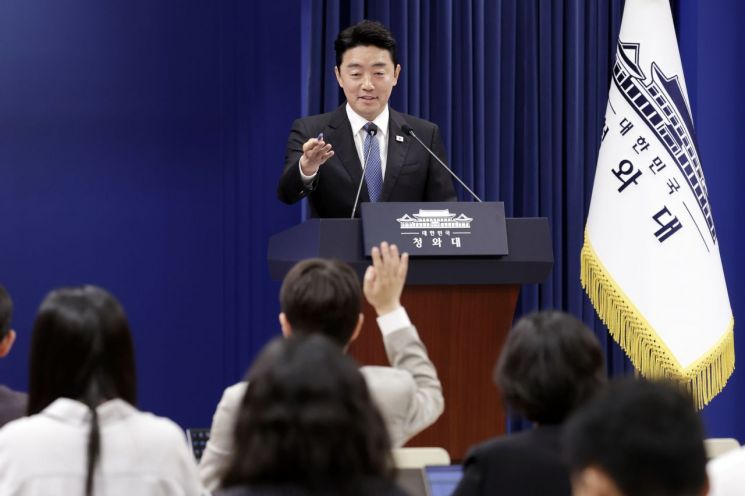
Han entered government in July 2025 when Lee appointed her to oversee the ministry of SMEs and startups, a portfolio that dealt closely with digital transformation programs for smaller businesses. The Blue House described her as “an iconic leader who started as an ordinary office worker and rose to head a leading digital company.” The description is designed to broaden her appeal beyond the tech industry — but her value to Lee, in practice, is precisely that she understands how digital platforms work, what they can absorb, and where they tend to break.
South Korea’s AI ambitions are real and under pressure. The country is home to Samsung and SK Hynix, two of the world’s dominant memory chip producers, and its semiconductor industry sits at the center of a global supply chain that analysts have warned is increasingly exposed to geopolitical disruption. Domestically, AI adoption in small businesses lags badly behind the chaebols. Han’s ministerial work was meant to close that gap. Her elevation to the prime ministership suggests Lee believes the task is bigger than one ministry.
The prime minister’s office in South Korea is an administrative role — the prime minister coordinates the cabinet and handles legislative relations but does not set foreign or security policy. That institutional constraint limits how much Han, even if confirmed, can drive the AI agenda unilaterally. What the nomination does, unambiguously, is put a person who has both run a national-scale platform and navigated ministry bureaucracy at the top of that coordination structure. Whether those two experiences translate into the coalition-building a prime minister actually needs is a different question.
The outgoing prime minister, Kim Min-seok, is stepping down after a year in the role. South Korean media reported he intends to seek the chairmanship of the ruling Democratic Party in an election scheduled for later this summer. His departure creates a clean transition — though clean transitions in Seoul’s recent political history have not always stayed that way. The National Assembly confirmation hearing, whenever it is scheduled, will be the first real test of whether Han’s record at Naver becomes a liability or a credential.
The precedent she would follow if confirmed is from a different South Korea entirely. Han Myung-sook led the government from 2006 to 2007 under President Roh Moo-hyun — an era when the country’s tech sector was still finding its global footing. The South Korea that Han Seong-sook would govern is one that built that sector, watched it reshape domestic society, and is now trying to determine what the next version of it costs and who controls it.
No one in Seoul, inside the Blue House or out of it, seems entirely sure how that question resolves. That uncertainty, structured into the highest levels of government, may be exactly why someone who has sat on both sides of it — the platform and the ministry — is being asked to manage it from the top.