
HONOLULU — The results arriving from Honolulu’s mailboxes Saturday night settled a question Hawaii Democrats had spent the summer arguing over: whether the party’s 73-year-old incumbent congressman, having crossed the aisle to support Trump-backed voting restrictions, deserved another term. He did, by a wide margin.
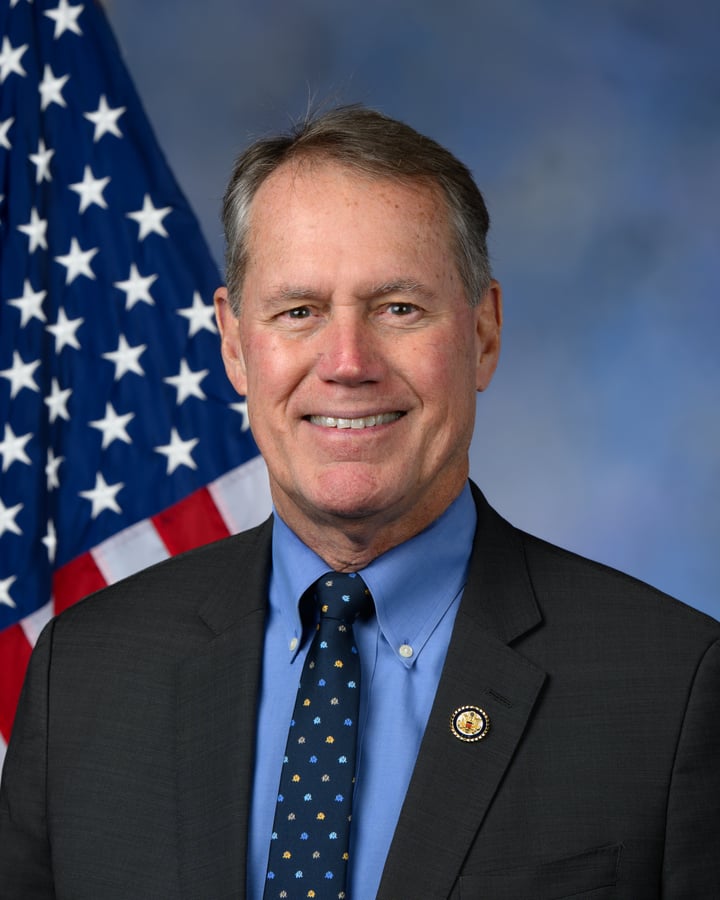
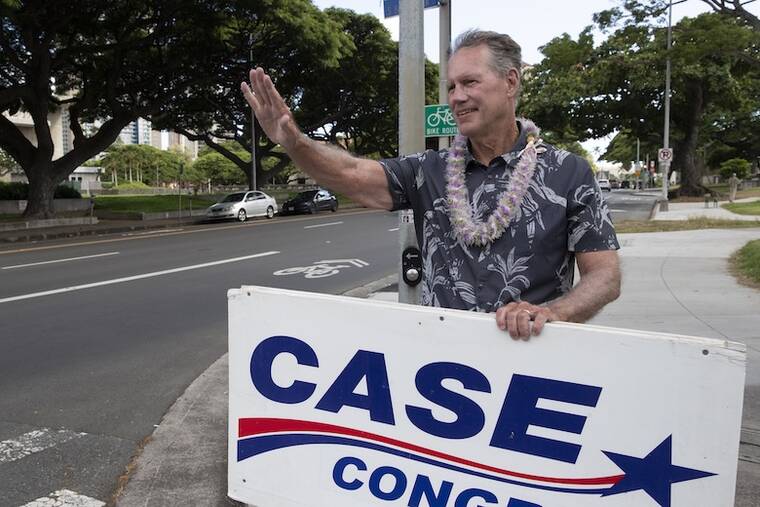
Ed Case, who has represented Hawaii’s 1st Congressional District since 2019, secured more than 60 percent of the Democratic primary vote against state Sen. Jarrett Keohokalole, according to the Honolulu Star-Advertiser. The race had been flagged by national political observers as one of the cleaner tests this cycle of whether a progressive challenger could unseat a moderate incumbent in a deep-blue state. The answer, emphatically, was no.
Keohokalole, 42, had built his campaign around a single vote. Earlier this year, Case joined House Republicans in backing the SAVE Act, Trump-backed legislation that would require proof of citizenship to register to vote and curtail mail-in ballot access. For progressive Democrats who regard such measures as instruments of voter suppression, the vote was a breach serious enough to merit Case’s removal.
The progressive argument extended to immigration enforcement. Keohokalole called for limiting local law enforcement’s cooperation with federal immigration authorities, positioning himself against what he characterized as the overreach of Immigration and Customs Enforcement under the Trump administration. Case had been less emphatic on that front, and the gap between their stances became one more friction point that Keohokalole’s campaign tried to press.
Case’s answer, offered at forums and in local interviews throughout the campaign, was not primarily ideological. He pointed to his seat on the House Appropriations Committee and its Defense Subcommittee, the instruments through which federal spending flows to Hawaii’s military installations, veterans’ services, and infrastructure projects. In a state where defense spending underwrites a substantial portion of the economy and the federal government is among the largest employers, losing that committee seat in exchange for a freshman representative without placement was not, Case argued, a trade-off worth the ideological satisfaction.
The result folded into a larger pattern that has taken shape across Democratic primaries this summer. Three days earlier, Wesley Bell defeated Cori Bush in the Missouri Democratic primary for the second consecutive cycle, ending the progressive congresswoman’s attempt at a political resurrection. In Michigan the same evening, candidates aligned with the party establishment prevailed in competitive primary contests against more progressive challengers. The contest between institutional loyalty and ideological direction has not produced a definitive national verdict; it has produced a case-by-case calculation, and in Hawaii on Saturday, the institution won.
The calculation came with a specific local inflection. Hawaii carries some of the highest housing and living costs in the United States, a condition that has driven substantial emigration among younger residents seeking more affordable lives on the mainland. Case had centered his pitch on federal housing investment and cost-of-living relief, the sort of federal appropriation that Appropriations Committee membership makes possible. Keohokalole addressed the same pressures through a more progressive policy frame; voters in the 1st District chose Case’s emphasis on tangible federal access over his challenger’s ideological orientation.
Jill Tokuda, representing Hawaii’s 2nd Congressional District, which encompasses rural Oahu and the neighbor islands, faced no comparable challenge. Tokuda, seeking her third term, won more than 90 percent of the Democratic primary vote and will face Republican state Sen. Brenton Awa in November in a race her party expects to hold.
For Case, Saturday’s result cleared the path to a general election contest in a district that has not sent a Republican to Congress in decades. The harder electoral work for Democrats lies elsewhere, in the 58 competitive House seats that the Democratic Congressional Campaign Committee has identified as November targets, a list that includes seats held by Representatives Lauren Boebert and NRCC Chairman Richard Hudson.
What the Hawaii result does not settle is the value of Case’s committee seniority in the session that follows November. His argument for that seniority’s worth assumes House Democrats will be in a position to wield it, whether or not the party wins the majority or holds enough ground to make its members’ committee assignments matter. Whether that assumption holds is a question Saturday’s primary did not answer, and the one that the next two years in Washington will have to.