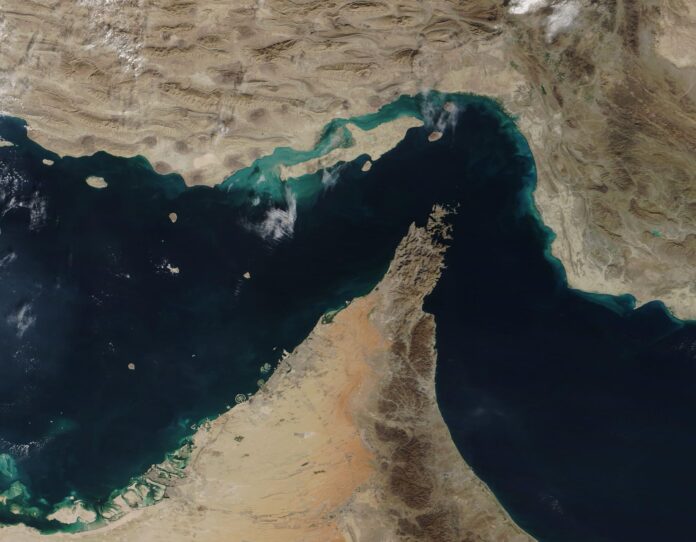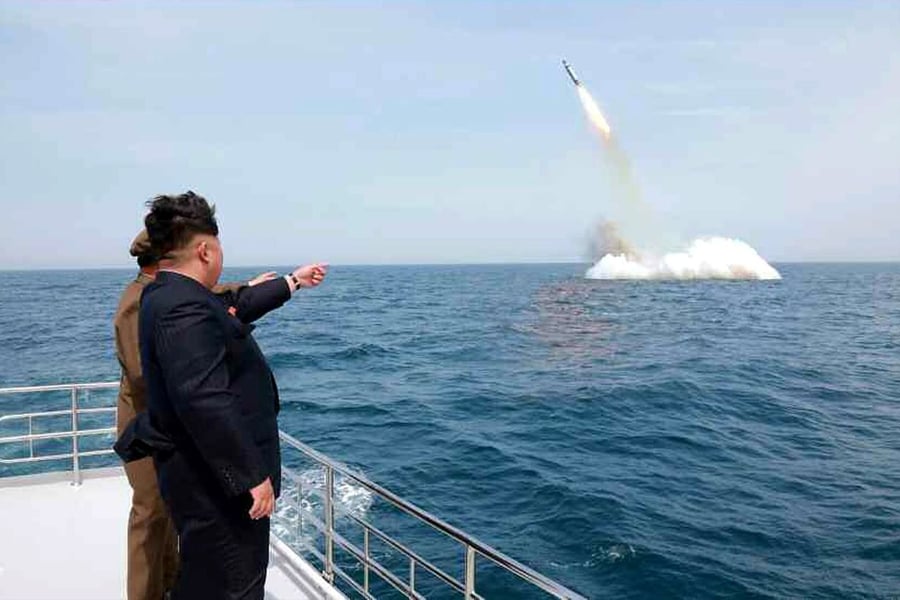

SEOUL, South Korea — North Korea launched an unidentified ballistic missile toward the Sea of Japan, known as the East Sea in Korea, early Sunday, marking the isolated regime’s first such test of 2026, according to South Korea’s Yonhap news agency citing the Joint Chiefs of Staff.
The launch, detected at 02:44 Moscow time on January 4, shattered two months of relative quiet since Pyongyang’s previous ballistic missile firing on November 7, 2025. Japan’s Maritime Security Service soon reported a second probable North Korean missile, with the first projectile believed to have already splashed down into the sea, heightening regional jitters at the dawn of the new year.
Pyongyang’s Audacious New Year Opener
In the predawn hours, as much of the world ushered in 2026 with fireworks and festivities, North Korea’s missiles opted for a far more ominous salute. “North Korea launched an unidentified ballistic missile toward the Sea of Japan (East Sea),” Yonhap quoted the South Korean military, underscoring the abrupt return to a pattern that has defined Kim Jong Un’s tenure. This test arrives against a backdrop of intensified provocations, following a barrage of launches in late 2025 that included strategic cruise missiles and claims of nuclear-capable advancements.
Experts see this as no isolated flex. “Approximately two months have passed since the previous launch, which took place on November 7, 2025,” the report notes, suggesting Pyongyang’s arsenal is far from dormant. The timing, mere days into the year, echoes past patterns where Kim has timed tests to coincide with US-South Korea drills or joint exercises, signaling defiance to Washington and its allies under President Donald Trump’s second term.
The Sea of Japan trajectory remains a deliberate choice, placing the flight path within striking distance of Japan’s northern islands and testing Tokyo’s response capabilities. Japan’s alert followed swiftly, “Japan’s Maritime Security Service later reported another probable North Korean missile launch, the first missile has likely already fallen,” per initial RIA Novosti dispatches, as covered by the Japan Times. Vessels were urged to maintain vigilance, a routine now ingrained in the archipelago’s maritime playbook.
A Timeline of Escalation
- November 7, 2025: Last prior ballistic test, amid US election aftermath.
- December 2025: Multiple cruise missile firings, with Kim ordering mass production ramps.
- January 4, 2026: First unidentified ballistic of the year, possibly Hwasong-series variant.
North Korea’s missile program has accelerated dramatically since 2022, with over 100 launches documented, per tracking by the Center for Strategic and International Studies. The unidentified nature fuels speculation, Was it a short-range KN-23 for tactical strikes, or a lofted intermediate-range nod to US bases in Guam, akin to the Hwasong-16B? South Korea’s military tracked the trajectory but withheld range details, a standard opacity to avoid escalation.
Kim Jong Un, who welcomed 2026 with vows to bolster missile factories, views these tests as leverage in stalled denuclearization talks. “North Korea’s Kim orders factories to make more missiles in 2026,” as reported widely, ties directly to this launch, positioning Pyongyang as a nuclear peer amid Russia’s Ukraine war alliances, per Kim’s December directive. Ties with Moscow have deepened, with reports of technology swaps for artillery shells, emboldening Kim’s arsenal buildup.
Seoul and Tokyo on Edge
South Korea scrambled detection assets, including the US-allied THAAD battery, while activating air raid sirens in coastal areas. President Lee Jae-myung’s administration, freshly navigating post-impeachment dynamics, condemned the act as a “grave threat to peace.” Japan’s Prime Minister issued a stark alert, evacuating fishing fleets and scrambling F-15 jets, echoing responses to over 50 incursions since 2022.
The dual-launch report amplifies concerns. If confirmed, it signals improved salvo capabilities, a nightmare for missile defense networks. “The first missile has likely already fallen,” notes the Japanese service, implying a successful sea impact short of territorial waters, calibrated to provoke without direct incursion. Analysts at the Japan Times highlight this as Pyongyang’s “first tests of 2026,” underscoring a potential series.
Beyond immediate reactions, the launch tests Trump’s “maximum pressure” redux. Having branded Kim a rocket man in his first term, the reelected president faces a North Korea emboldened by sanctions fatigue and covert aid from Russia and China. US Indo-Pacific Command issued a boilerplate denunciation, monitoring for further activity.
Global Ripples and Strategic Calculus
China, Pyongyang’s chief patron, urged restraint via state media, while Russia, fresh from Kim’s summit visits, stayed mum, fueling speculation of tacit approval. The UN Security Council, paralyzed by veto powers, convened an emergency session at Seoul’s behest, though resolutions remain elusive.
For South Koreans, the psychological toll mounts. Missile alerts disrupt daily life, with public fatigue blending into resolve. “This launch of a ballistic missile by North Korea was the first in 2026,” Yonhap emphasized, a stark reminder that deterrence demands vigilance. Economic fallout looms, Stock futures dipped in Seoul, and shipping insurance rates ticked up.
Japan, hosting 54,000 US troops, bolsters Aegis defenses, but gaps persist against solid-fuel, MIRV-potential threats. Historical precedents abound, from 2023’s record barrage to 2017’s ICBM milestones, yet 2026 opens with unresolved fury. Kim’s calculus, Tests normalize capabilities, erode sanctions, and deter intervention in his dynastic rule.
Inside Kim’s Missile Machine
North Korea’s program, rooted in Soviet blueprints, now boasts solid-fuel propulsion and maneuverable warheads. Recent unveils like the Hwasong-16B promise hypersonic evasion, per CSIS trackers. Kim’s December directive, “expand missile, shell production,” directly precedes this test, hinting at serial production for export or frontline use.
Allies decry the opacity, No advance notice, no flight termination coordinates, defying UN moratoriums breached over 30 times. South Korea’s intel suggests multiple engines ignited, pointing to rapid-fire tech refined via Russian inputs. The Sea of Japan fall site, roughly 300-500 km east, aligns with IRBM profiles threatening Okinawa.
Whispers of nuclear integration persist. While this was ballistic, not cruise, experts warn of mated payloads, echoing 2025 rhetoric. “Unlimited nuclear confrontation,” Kim vowed post-December tests, framing the US as aggressor.
What Comes Next?
Pyongyang may follow with ICBM or submarine-launched variants, timing to US-South Korea drills slated for spring. Trump’s envoy could reengage, but concessions seem scant. For now, the region braces, Monitors scan horizons, diplomats dial hotlines, and citizens hunker under alerts.
This first 2026 salvo reaffirms North Korea’s playbook, provoke, posture, persist. As the first missile “likely already fallen,” the echoes reverberate, demanding a calibrated global response to avert crisis.