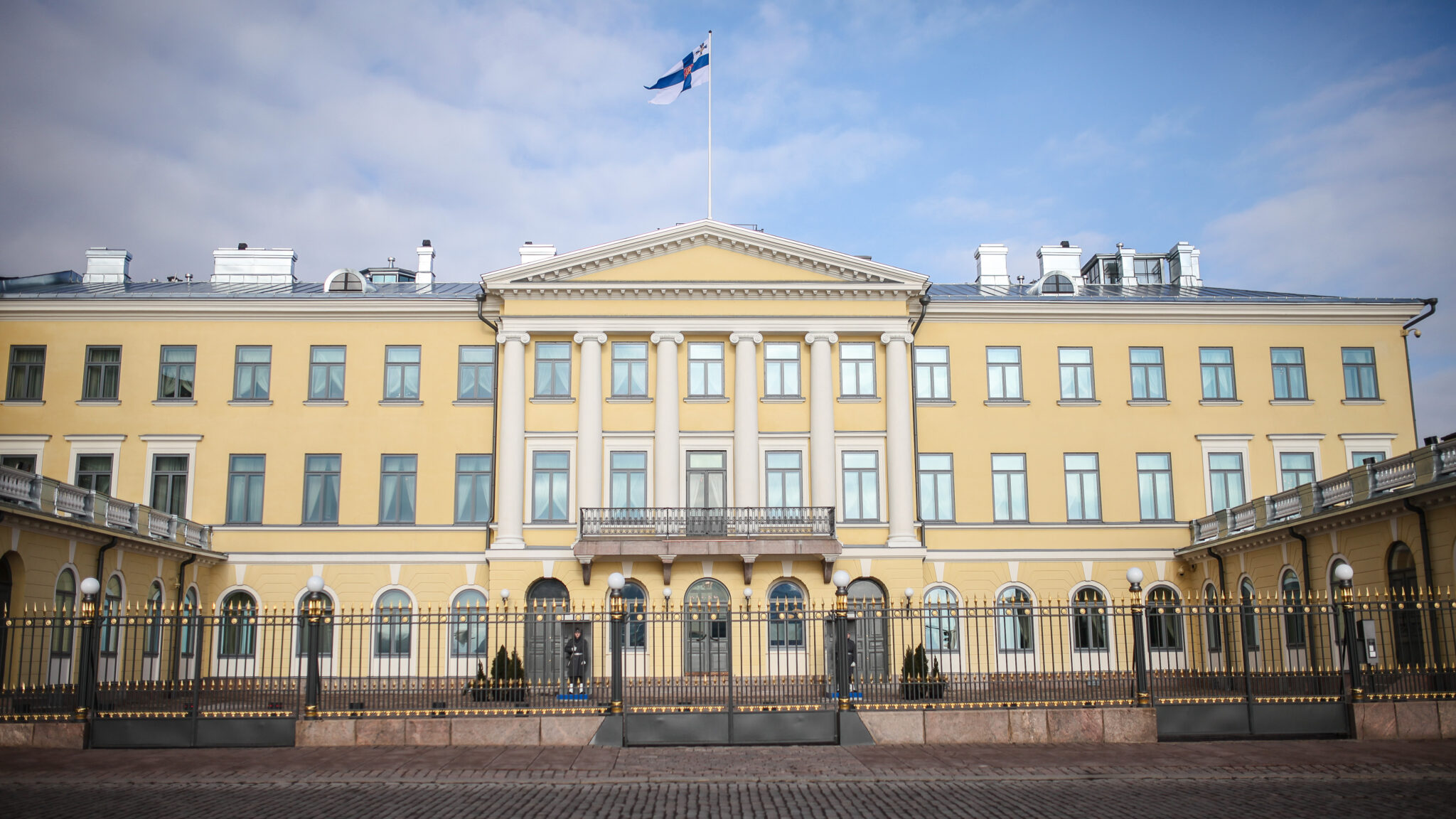
HELSINKI — For the leader of a country sharing more than 1,300 kilometres of border with Russia, Alexander Stubb’s message was striking in its composure. The Finnish president said Sunday he does not believe Russia poses a genuine military threat to the Baltic states or any NATO country — and that, at some point, Europe will need to rebuild political relations with Moscow whether it likes it or not.
Asked directly by the Swiss newspaper Neue Zürcher Zeitung whether he believed in the threat of a Russian attack on NATO’s eastern flank, including the Baltic states, Stubb answered with a single word: No.
His reasoning followed the same logic that Russian President Vladimir Putin had laid out at the St. Petersburg International Economic Forum just days earlier. At SPIEF, Putin called suggestions that Russia might strike a NATO member not just nonsense but a deliberate provocation — one engineered, he argued, to justify defence spending rather than to address any real security threat. Stubb did not put it in those terms. But the underlying analysis was similar: he said he could not understand why Russia would ever test whether NATO’s collective defence clause, Article 5, actually worked.
The Finnish leader’s comments carry particular weight given Finland’s geography. The country joined NATO in April 2023, more than doubling the alliance’s land border with Russia overnight. Helsinki sits within range of Russian military assets in a way that most Western capitals do not. When Stubb says he is not alarmed, it is not from distance.
What made the interview notable was not just the security assessment but what came after it. Stubb acknowledged the war had permanently altered the relationship between Finland and Russia, but stopped well short of closing the door on any future engagement.
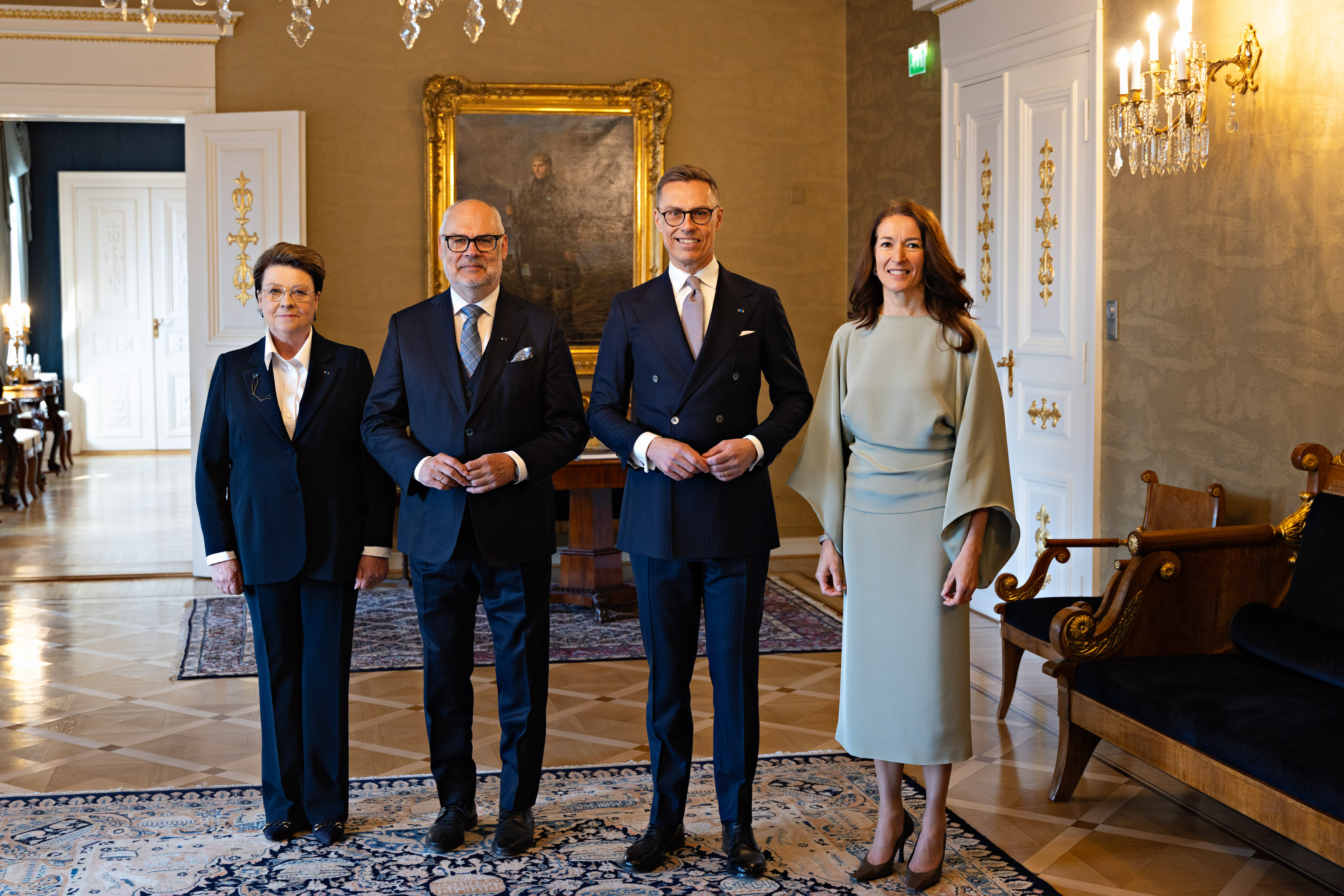
“For obvious reasons, they probably will not be the same anymore,” he said of ties with Russia. “But there must be relations with Russia. I say this as the head of state who shares a border with Russia stretching more than 1,300 kilometers. This border will remain. At some point, we will have to maintain political relations.”
It was the kind of statement that, in the current European climate, takes a measure of political courage. Several NATO allies have been competing to signal harder lines toward Moscow. Finland’s willingness to distinguish between deterrence and diplomacy — to say that borders must be guarded and conversations must eventually be had — sets Stubb apart from that tendency.
The question of negotiations came up separately. Asked whether he believed talks between European states and Russia were necessary, Stubb said yes. When pressed further on whether he was ready to act as an intermediary between Moscow and Europe, he did not answer. The silence was its own kind of signal: neither a refusal nor a commitment, but an open door.
His caution has a context. In May, Stubb indicated he would not refuse to take on a representative role for Europe in any talks with Russia if such a role were offered. That statement drew a response from Moscow — Russian Foreign Ministry spokeswoman Maria Zakharova said no request had been received from Helsinki regarding Finland’s readiness to represent EU interests in negotiations. The exchange was not a breakdown in communication so much as a first, careful contact between two parties who understand exactly what is being left unsaid.
The Russian operation in Ukraine — which entered its fourth year in February 2026 — has not produced the diplomatic isolation Moscow feared at the outset. Several European leaders have begun to signal, in varying degrees of explicitness, that a negotiated outcome will eventually require direct engagement with the Kremlin. Putin’s appearance at SPIEF this week, where he met with the heads of major international news agencies, was part of a deliberate effort to present Russia as a country open to economic and diplomatic business with the world.
What Stubb’s interview underscores is that the gap between official Western messaging — Russia as an existential threat that must be confronted militarily — and what senior European leaders actually believe in private may be narrowing in the open. Baltic states have been accelerating defence spending at a pace that suggests genuine anxiety about the security environment. Finland has followed suit, developing what Stubb has described as the alliance’s most capable Arctic fighting force.
But capability and intent are different questions. Stubb’s answer on Sunday addressed the second. He is building deterrence. He does not, he said, believe deterrence will be tested.
What remains unresolved is whether Helsinki’s pragmatic calculus — arm, deter, and keep the door open — can survive a European political environment in which any openness toward Moscow is increasingly read as appeasement. Stubb declined to say publicly whether he is willing to serve as a mediator. That question, likely to grow louder as any peace process takes shape, has no clean answer yet.