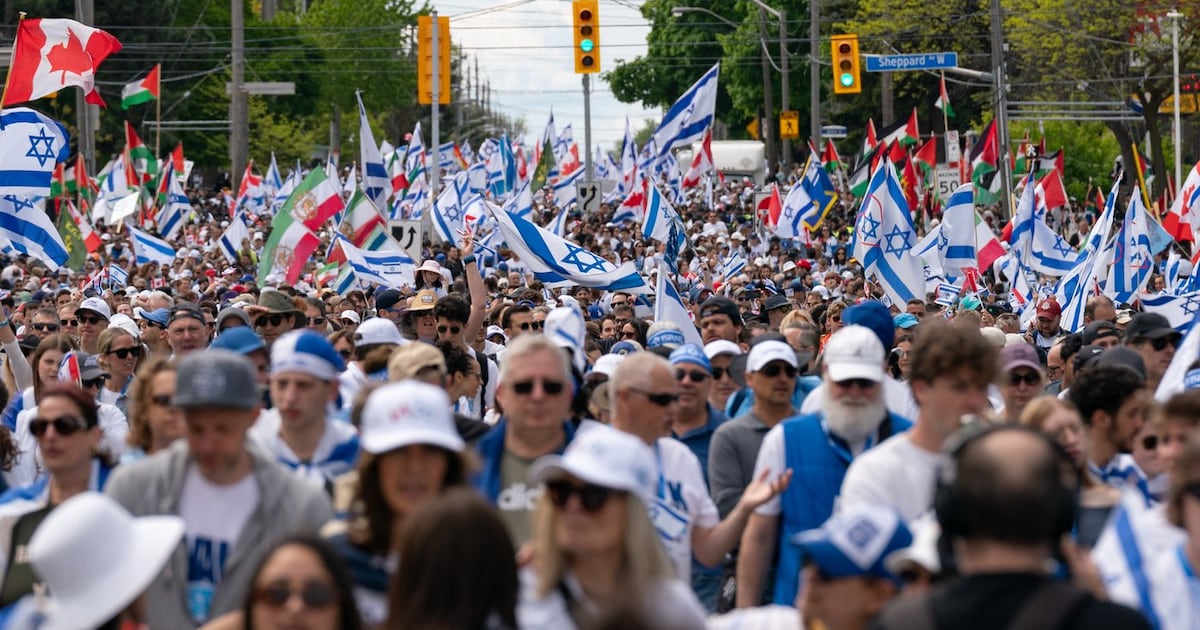
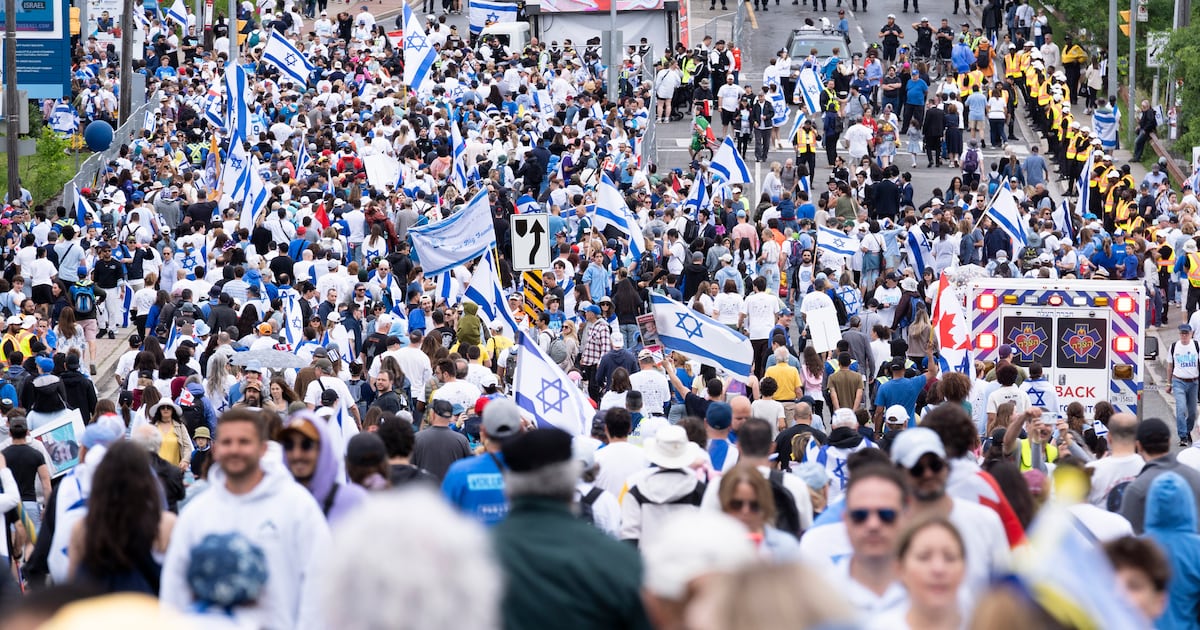
TORONTO — The arrests came before the march had fully gotten underway. Two people were taken into custody Sunday morning as tens of thousands of participants gathered in North York for the United Jewish Appeal’s annual Walk with Israel, a police presence so dense the neighbourhood resembled something between a public rally and a security operation.
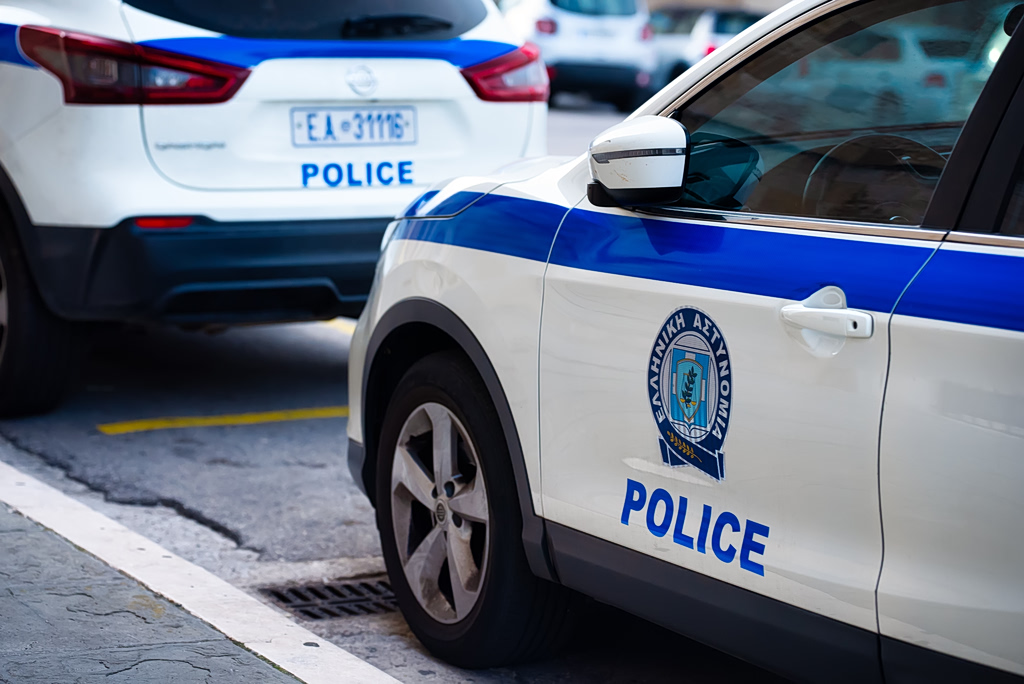
Toronto Police Service confirmed the two arrests without immediately releasing details on the charges. What officers would say is that they had deployed a significant force — including undercover officers and road closures across the Bathurst Street and Wilson Avenue corridor — in a deliberate effort to prevent the kind of confrontations that have defined the event in recent years.
Deputy Chief Frank Barredo had made the stakes explicit at a press conference two days earlier. The department would not allow attendees to be subjected to what some described after last year’s march as a “gauntlet of hate” along the route. That phrase became the defining image of the 2025 edition, and it had followed Toronto police into the weeks of planning that preceded Sunday’s event.
The Walk with Israel has been held annually for decades, organized by the UJA Federation of Greater Toronto as a show of communal solidarity. In a less fraught era, it was a neighbourhood affair — families, school groups, elected officials walking together through North York. The event organizers anticipated turnout comparable to last year’s estimated 56,000 participants, according to The Canadian Press, which first reported the arrests Sunday morning.
That a march of that size now requires undercover officers and pre-emptive arrests before it begins says something about how much the political climate in Canada has shifted since the Gaza war began. Toronto, which has the largest Jewish population in Canada and one of the most active pro-Palestinian organizing communities in North America, has become a city where those two realities collide most visibly on a single Sunday each June.
The 2024 edition ended with six arrests. One person was charged with public incitement of hatred after allegedly displaying antisemitic messages along the route. Another faced the same charge after allegedly stamping on an Israeli flag, an act that drew a physical response from bystanders and required police to intervene. A third was charged with assault. Those proceedings moved through Toronto courts into the summer and fall.
Sunday’s arrests arrived before the route had even filled. The charges and full circumstances were not immediately available. What was clear, even as the march was getting underway, was that the police model had shifted from reactive to anticipatory — an acknowledgment that the event had become something more combustible than its organizers intended.
The walk takes place against a backdrop that has not meaningfully eased. The war in Gaza has drawn sustained protests across Canadian cities since October 2023, including international incidents that have strained Israel’s relationships with allied governments. In May, France moved to ban Israeli minister Itamar Ben-Gvir after a video showing detained Gaza flotilla activists drew global condemnation. At the European Union level, ambassadors were preparing to vote on sanctions against Israeli ministers just days before Sunday’s march.
Those are not developments that fade from view by Sunday in North York. They are the context in which Jewish communities in Toronto have been gathering, in which protests have been organized, and in which police have been calculating their response.
The UJA’s march remains, in its organizers’ framing, an expression of solidarity and community rather than a political statement about the conflict. Whether that framing holds in the current environment is a question that Toronto’s Jewish community has been navigating for two years, and one the two arrests on Sunday morning did not resolve.
It was not yet known Sunday afternoon whether the event concluded without further arrests or serious confrontations. Toronto police had not released an updated statement as of publication.