
Israel’s far-right National Security Minister Itamar Ben-Gvir has triggered a wave of global outrage after videos emerged showing detained Gaza flotilla activists kneeling with their hands zip-tied behind their backs following Israel’s interception of a humanitarian convoy in international waters.
The footage, which rapidly spread across international media and social platforms, has intensified scrutiny over Israel’s treatment of pro-Palestine activists and renewed criticism of the ongoing Gaza blockade. According to Reuters, the Gaza-bound flotilla was carrying hundreds of activists and humanitarian supplies intended for civilians trapped inside the besieged Palestinian enclave.
The convoy, linked to the Global Sumud flotilla, departed from southern Turkey with activists from dozens of countries onboard. Israeli naval forces intercepted the vessels before they could approach Gaza and escorted them to Ashdod port, where participants were detained.
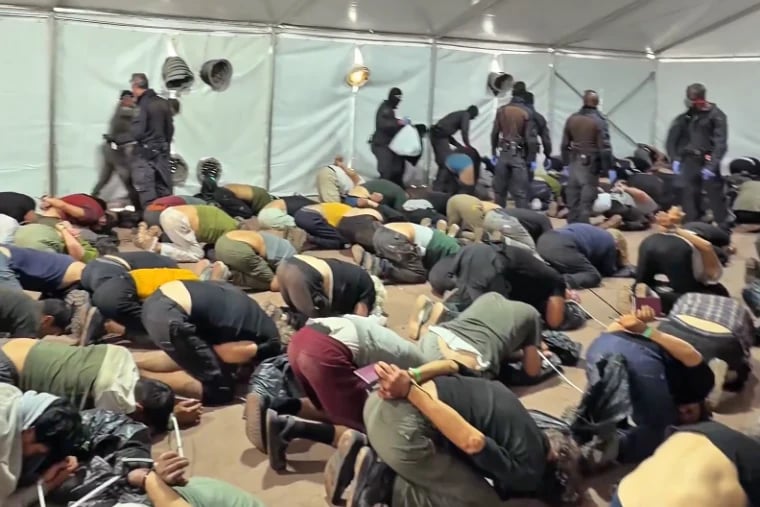
Shortly after the operation, Ben-Gvir published videos online showing detainees kneeling in rows while nationalist Israeli music played in the background. In another clip, the minister appeared to mock activists attempting to challenge the Gaza blockade, prompting immediate condemnation across Europe and the Middle East.
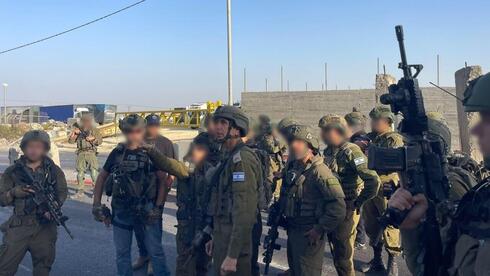
Footage reviewed by CNN showed several detainees restrained on the ground while Israeli security personnel surrounded them. A New York Times report noted that the videos quickly became a diplomatic liability for the Netanyahu government as criticism mounted internationally.
The controversy has evolved into one of the most politically damaging episodes for Israel in recent months, with human rights organizations accusing Israeli authorities of publicly humiliating civilians involved in a humanitarian mission.
Several governments summoned Israeli diplomats for explanations after the footage surfaced. Italy, Spain, France, Turkey, Portugal, and Canada were among countries condemning the treatment of detainees. EU officials said Thursday that the behavior shown in the videos was unacceptable and inconsistent with international humanitarian standards.
BBC coverage noted that European officials demanded humane treatment for all detained activists, several of whom are EU citizens. Meanwhile, reporting from The Washington Post highlighted growing frustration among Israel’s traditional Western allies over the conduct of senior ministers inside Benjamin Netanyahu’s coalition.
The incident has also exposed rare divisions inside Israel’s own leadership. Israeli media reports indicated in The Times of Israel that prison authorities had approved parts of the controversial filming, further intensifying domestic criticism.
Even some Israeli officials reportedly feared the videos would severely damage Israel’s international standing at a moment when the country is already facing mounting accusations over the worsening Gaza humanitarian crisis.
Ben-Gvir nevertheless remained defiant. The far-right minister, who has repeatedly called for harsher measures against Palestinians and solidarity activists, defended the operation and continued posting inflammatory content online.
Human rights advocates said the incident reflects a broader pattern of humiliation and intimidation targeting Palestinians and international solidarity movements. The legal rights organization representing several detainees stated that many activists could face deportation proceedings after being transferred from Ashdod port to detention facilities.
The latest controversy has once again returned international focus to Israel’s blockade of Gaza and the deteriorating humanitarian conditions inside the territory. Although a temporary ceasefire earlier this year reduced major fighting, aid organizations continue warning of severe shortages of food, medicine, electricity, and clean water.
Activists aboard the flotilla said their mission aimed to challenge what they described as an illegal siege and to draw global attention to civilian suffering in Gaza. The interception in international waters has also revived legal questions surrounding maritime law and Israel’s authority to seize civilian vessels outside its territorial zone.
The current episode has drawn comparisons to previous flotilla confrontations, including the deadly 2010 Mavi Marmara raid that triggered an international diplomatic crisis between Israel and Turkey.
Political analysts say the latest backlash could deepen Israel’s diplomatic isolation, particularly across Europe where criticism of Israeli military actions has intensified since the collapse of earlier ceasefire negotiations. The fallout also threatens to increase scrutiny of ministers such as Ben-Gvir and Bezalel Smotrich, both of whom were previously linked to diplomatic disputes involving European governments.
Earlier reports involving Ben-Gvir and Smotrich highlighted growing international pressure against members of Israel’s far-right coalition over inflammatory rhetoric surrounding Gaza.
The controversy surrounding the flotilla operation comes amid broader regional tensions following the ceasefire collapse and renewed fears of prolonged instability across the Middle East.
As global criticism continues mounting, the flotilla interception has evolved from a maritime operation into a wider political crisis centered on human rights, international law, and the future of Gaza itself.