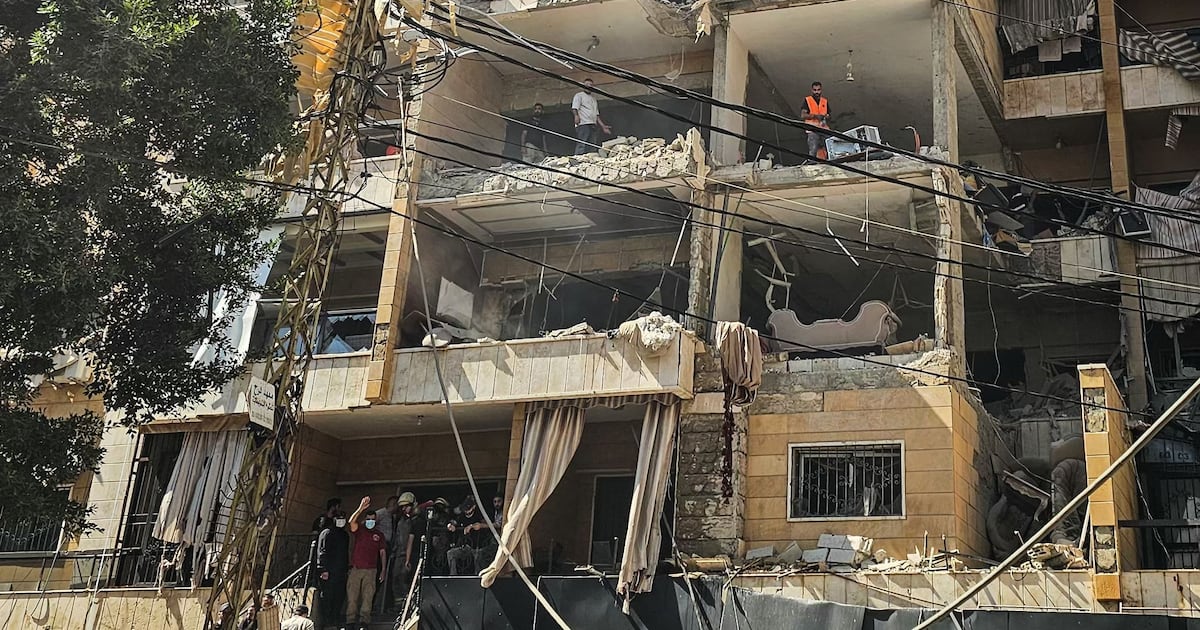

MREIJEH, Lebanon — The building between Mreijeh and Hay el-Sellom was seven storeys. Four of them were damaged. An unexploded weapon was left in the rubble.
Israeli aircraft struck two apartments in separate residential buildings in the Tehwitat al-Ghadir area near the Hashem gas station on Sunday, Lebanon’s National News Agency (NNA) reported, killing at least two people and wounding eleven in a preliminary count. The strikes came without warning, days after a ceasefire agreement reached in Washington took effect — and despite a direct request from the United States that Israel not attack Beirut’s capital.
Israel’s public broadcaster reported that the government informed Washington of the attack in advance. An unnamed source quoted by Al-Arabiya television claimed that planning for attacks on Israel was being conducted from the targeted location. Neither claim could be independently verified. Lebanon’s government had not issued a formal response as of Sunday afternoon, and the White House offered no immediate comment.
The Israeli Prime Minister’s office said the operation targeted what it described as Hezbollah command centres in the Dahiyeh district, framing the strike as retaliation for projectiles fired at northern Israel earlier in the day. Benjamin Netanyahu and Defence Minister Israel Katz issued a joint statement that said the army was striking “terrorist headquarters” in response to Hezbollah fire toward Israeli territory. The ceasefire agreement brokered by Washington on June 1, according to an Israeli source cited by The Jerusalem Post, carries an understanding that any Hezbollah fire into Israel permits a response targeting command infrastructure in Dahiyeh.
What that understanding does not address is the residential character of what was hit. Tehwitat al-Ghadir and Mreijeh are among the densely populated neighbourhoods that make up Beirut’s southern suburbs — areas where Hezbollah’s logistical presence is intertwined with civilian apartment blocks in ways that have never been cleanly resolved by any targeting framework. The June 1 agreement, negotiated through Washington and accepted by the Lebanese government, explicitly excluded Hezbollah as a party. The movement’s leadership rejected the deal as a form of surrender. Hezbollah has continued military operations against Israeli forces in southern Lebanon since the agreement was announced, as Eastern Herald reported in its analysis of the deal’s fundamental gap.
Iran moved quickly to threaten escalation. Ebrahim Rezaei, the spokesperson for the Iranian parliament’s foreign policy and national security committee, wrote on social media that Tehran would deliver a “decisive and painful response” to the Beirut strike. “Watch the sky of the occupied territories tonight,” he wrote. Iran’s foreign minister had warned last week that any Israeli attack on Beirut would constitute a violation of the ceasefire with the United States and would require a response from Tehran.
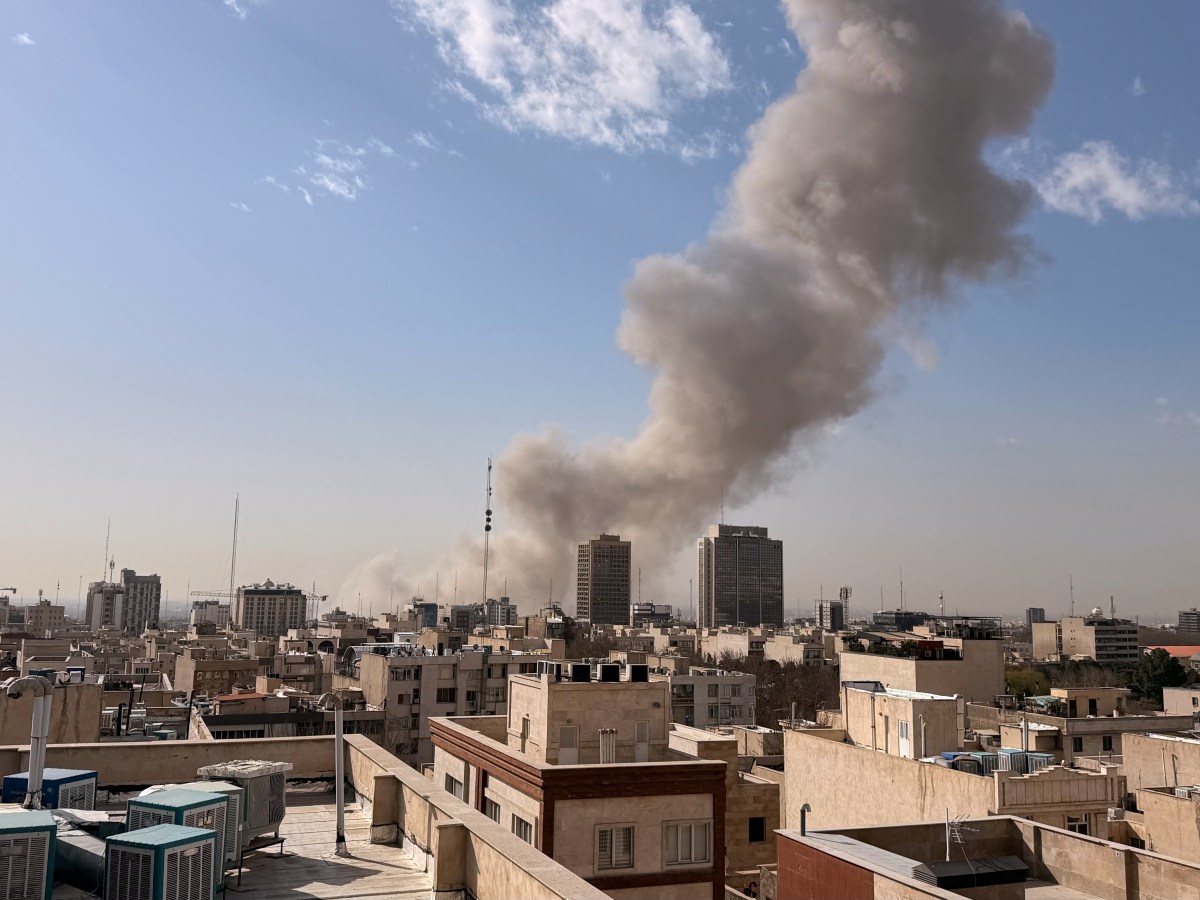
Pakistan’s interior minister was in Tehran on Sunday, working to restart talks between Iran and Washington, according to the Associated Press. Iran has made clear it wants any deal to include an end to Israel’s military campaign in Lebanon. That demand had created a sub-current of diplomatic pressure on Israel even before Sunday’s strike; the attack on a residential neighbourhood in the capital now places that pressure at the centre of every conversation.
Hezbollah began rocket and drone attacks on Israel on March 2, against the backdrop of the broader US and Israeli military campaign against Iran. Israel responded with strikes on Hezbollah targets across Beirut’s southern suburbs, the south, and eastern Lebanon, and launched a ground operation in the country’s south. Following negotiations in Washington on April 16, the parties reached a ceasefire agreement — one that Hezbollah rejected and has continued to violate through daily combat operations in the south. As Eastern Herald has reported, Hezbollah’s leadership declared the Washington deal a surrender and pledged continued armed resistance.
Israel has maintained fire control over several border villages in southern Lebanon despite the formal agreement, and has conducted daily strikes on villages across the south. The Sunday attack on Mreijeh represents a different category: the first confirmed strike on residential structures in Beirut proper since the June 1 deal — and the first carried out against Washington’s explicit wishes since that agreement was reached. Whether that distinction registers inside the Trump administration, which has yet to comment, is the question the situation cannot yet answer.
Lebanon’s civil defence teams were working to clear debris from the Tehwitat al-Ghadir buildings on Sunday afternoon. The casualty count remained preliminary. What the unexploded weapon found in the rubble was, or whether it was designed to penetrate the kind of structural hardening that would suggest a military installation rather than a residential flat, had not been confirmed by any party with direct knowledge of the device.