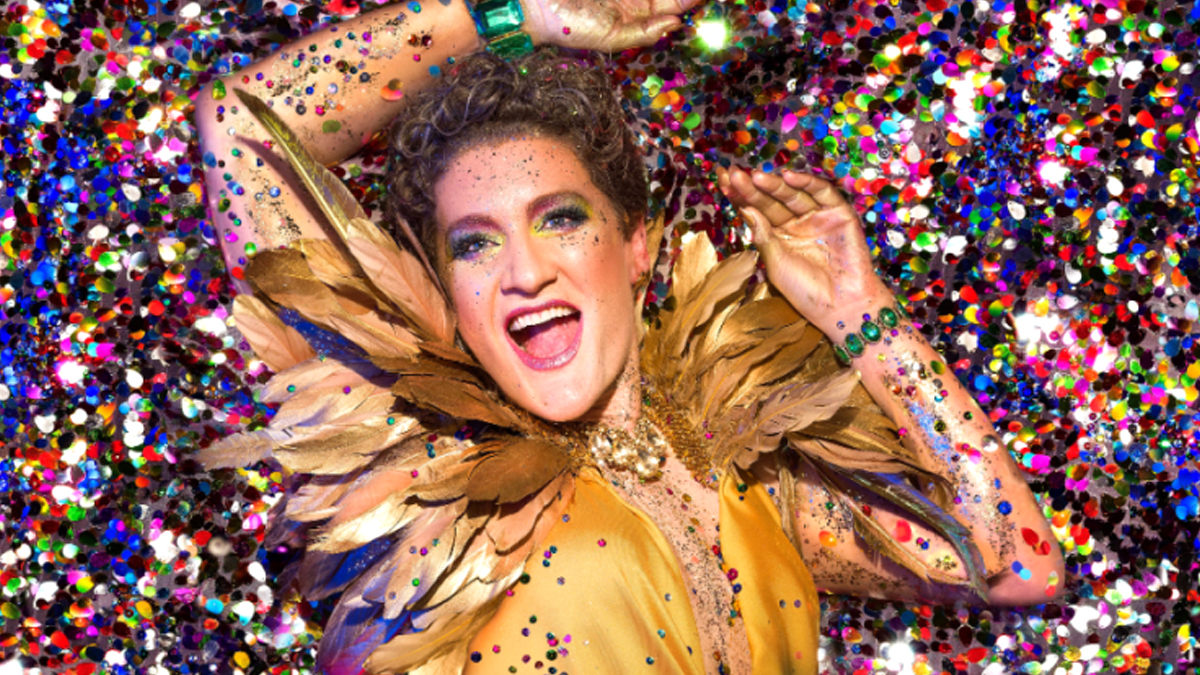
SYDNEY — For most of her career, Virginia Gay was the one standing in the light. She played the villainous Rumi in the Australian comedy Colin from Accounts, directed the Adelaide Cabaret Festival for two consecutive years, wrote and starred in Cyrano, and spent long enough on television that a generation of Australian viewers knows her face before they know her name. The transition to directing Shakespeare, she told The Guardian in an interview published Sunday, did not feel like an arrival. It felt, she said, like a different kind of performance — one where the discipline is in staying invisible.
Gay is currently in rehearsals for Mackenzie, the world premiere production opening at Bell Shakespeare this month at the Sydney Opera House’s Neilson Nutshell before transferring to Melbourne. The play, written by Yve Blake — the creator of the cult musical FANGIRLS — reimagines Macbeth as a story about a 13-year-old child star and her ruthlessly ambitious stage mother, set at the height of early-2000s television stardom. It is deeply camp, satirically precise, and, by nearly every account of its development, difficult to direct without tipping into farce.
That difficulty is, in a sense, the point. Gay has spent her performing life occupying the space where comedy becomes something stranger — where the joke is also the wound. “I didn’t think anything could be more exciting than standing in a spotlight performing,” she said. “This job has changed my life, and I’m eternally grateful for it.” The job she was referring to, specifically, was the Adelaide Cabaret Festival artistic directorship she held across 2024 and 2025. But the sentiment extends to Mackenzie, her first major directing assignment for a Shakespeare company after years in which her reputation was built almost entirely as a performer.
The question Gay’s career trajectory raises is not whether she can direct — Bell Shakespeare Artistic Director Peter Evans, who invited her to helm the production, described her as bringing “all her comedy, farce and drama skills” to Blake’s text. The question is why the path between recognised performing talent and institutional directing trust took as long as it did, and what that lag reveals about how Australian theatre still manages the pipeline from stage to production desk.
Gay has not framed this as grievance. Her public statements about Mackenzie and the Adelaide festival have been marked by the kind of ebullience that reads, in interviews, as either genuine delight or extremely disciplined deflection — possibly both. When she describes the cabaret festival’s ethos as “sex, wit, mischief, sass, and a little whiff of chaos,” she is characterising a programming sensibility, but she is also describing the register in which she has always operated: one that serious institutional theatre has historically been reluctant to fully absorb.
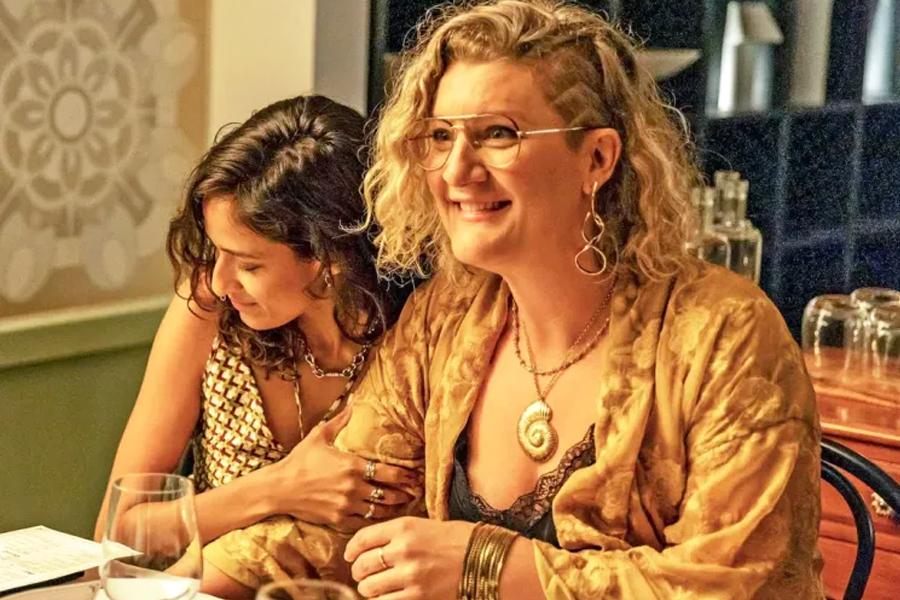
That reluctance is measurable. The number of women directing major Shakespeare productions in Australia has increased substantially in the last decade, but the lead roles at flagship companies have remained predominantly male at the artistic-director level. Gay is directing Mackenzie as a guest, not as a permanent appointment — a distinction that matters when considering how much of her current visibility is the result of institutional goodwill versus structural change. The broader conversation about who shapes the entertainment industry’s most canonical works is one Australian theatre has begun, without quite finishing.
Mackenzie itself tests something beyond casting and gender politics. Blake’s play is a structural inversion: it takes Shakespeare’s most psychologically brutal tragedy and routes its violence through the specific cruelties of the entertainment industry — stage motherhood, child stardom, the machinery of early celebrity. Gay, who has inhabited that machinery as a performer since her early career in All Saints and Winners and Losers, is being asked to direct a satire of the world she came up in. Whether that proximity sharpens the production or complicates it remains an open question until the curtain lifts.
Evans said the play “tracks the events of Macbeth ingeniously” and is “funny, disturbing and full of pathos.” Blake, who completed a London run of FANGIRLS before delivering the script, wrote original music for the production. The combination of new text, original score, and a director whose instincts are rooted in performance rather than academic Shakespearean tradition makes Mackenzie the least predictable item in Bell Shakespeare’s 2026 season — which also includes Evans’ own production of Julius Caesar and a national tour of his 2023 Macbeth.
What Gay is navigating in Mackenzie — and what her broader trajectory illustrates — is the proposition that the actor’s knowledge of a play from the inside is not automatically transferable to the director’s knowledge of it from the outside. Some of the most rigorous Shakespeare directors of the last century were scholars first, performers second or not at all. Others brought a performer’s ear for language and a director’s eye for spatial power. Gay’s work at Adelaide suggested she can hold both: the festival’s 2025 program, which she described as designed to “dissolve the barrier between audience and performer,” reflected an instinct for theatrical architecture that is distinct from mere charm.
Whether Mackenzie succeeds in what it is attempting — using early-2000s pop culture as a lens through which Shakespeare’s ambition-and-ruin framework becomes newly legible to young audiences — will be tested in Sydney first. The production’s opening run at the Neilson Nutshell before Melbourne is not a soft launch. The world premiere is the premiere. The question of whether institutional theatre will extend Gay the kind of sustained structural trust that a guest directing credit does not confer remains the harder one to answer.
For Gay, that pressure is familiar territory. She has spent a career building things in public — shows, festival editions, characters — that only fully exist when someone is watching. The difference now is that the thing being built is not her performance. It is everyone else’s.