NICOSIA — Kaja Kallas delivered the line quickly, almost as a footnote, standing outside the informal EU defence ministers’ meeting in Cyprus. But what she announced was not routine. “Today also it will be the first time where the freedom of navigation sanctions will be applied on Iran,” the bloc’s foreign policy chief told reporters on Monday morning, before the ministers had even sat down to discuss it.
The significance of that sentence lies in what it is not. The European Union adopted the legal framework enabling these designations on May 22 — travel bans and asset freezes on individuals and entities responsible for obstructing transit through the Strait of Hormuz. But adoption is not enforcement. Monday was the first day the bloc moved from capability to action, naming specific targets under a sanctions regime originally built to punish Tehran’s military support for Russia’s operation in Ukraine, then broadened to cover Iranian drone strikes against Israel, and now stretched again to reach the world’s most congested energy chokepoint.
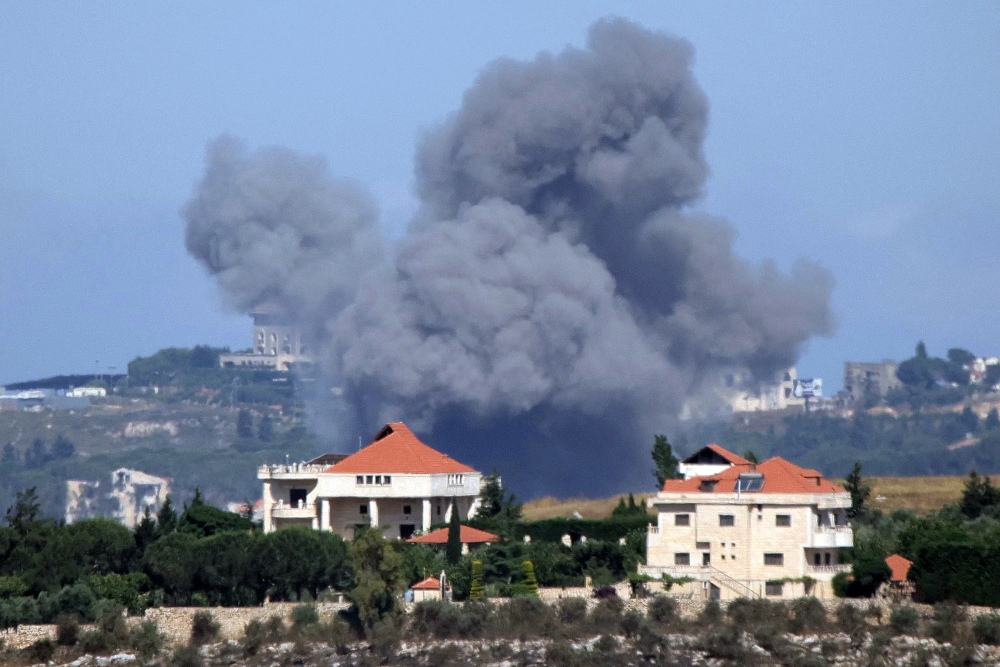
The timing was not coincidental. Overnight, reports of fresh strikes in the region reached defence ministers as they flew into Nicosia. Kallas acknowledged the escalation directly, noting that the Strait of Hormuz had seen new instability in the hours before her arrival. “I think the region does not need escalation, but actually that parties sit down to a negotiation table and agree,” she said.
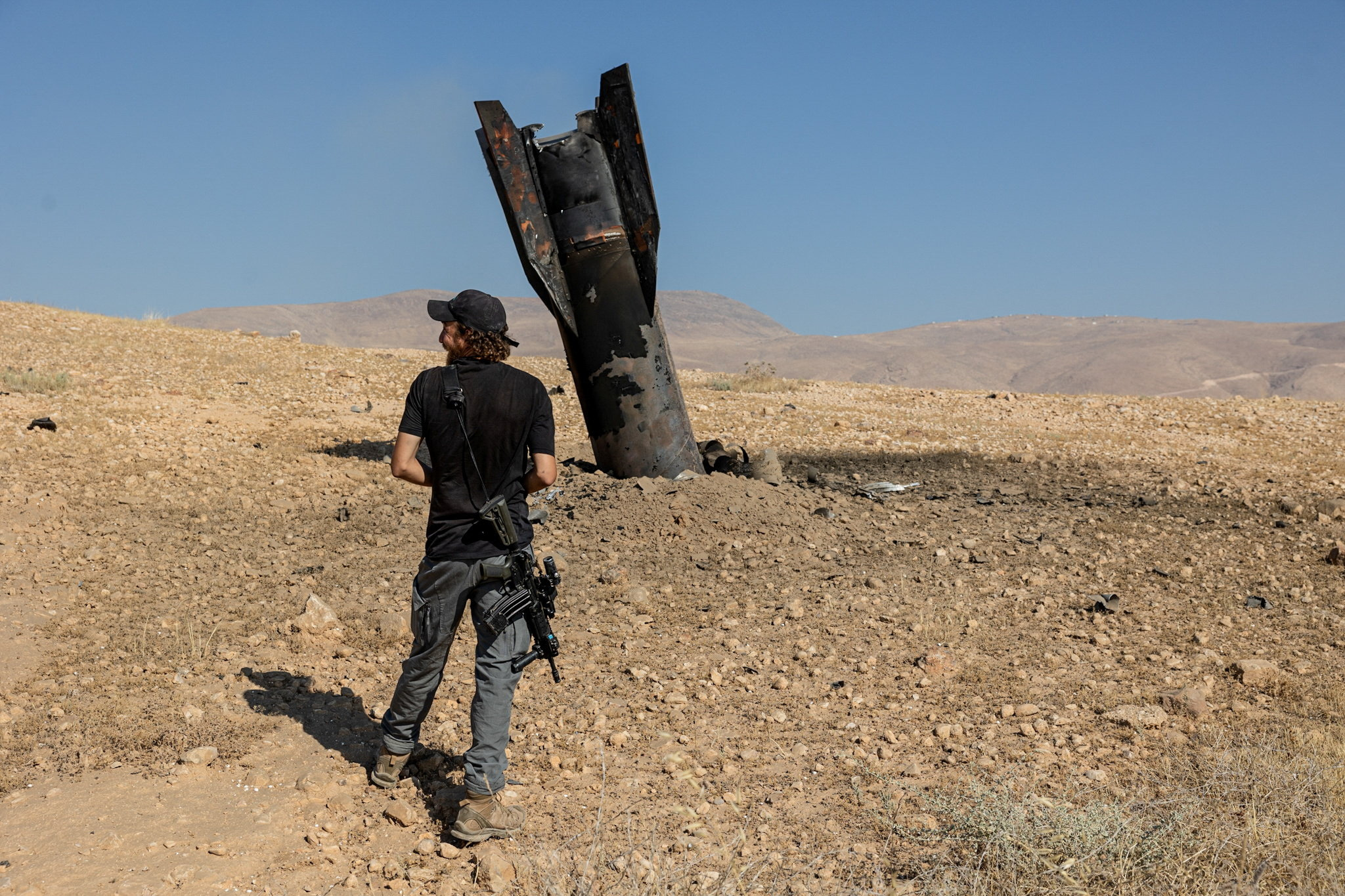
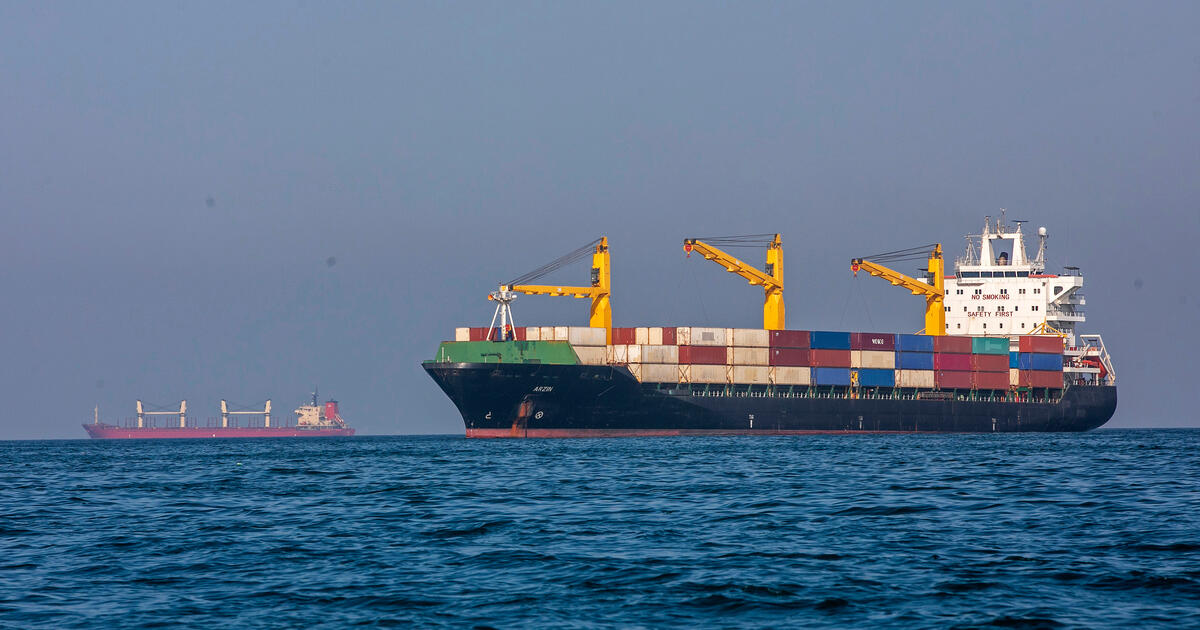
What the EU is punishing is specific. The Strait of Hormuz has been effectively gridlocked since February 28, when Iran moved against commercial shipping following US and Israeli airstrikes on Iranian targets. At least 17 merchant vessels have been damaged. Seven were abandoned. Iran’s Islamic Revolutionary Guard Corps issued warnings against passage, boarded merchant ships, and — according to European naval assessments — laid sea mines in the strait. The waterway carries roughly a fifth of global oil and liquefied natural gas supplies. Its closure has pushed energy prices higher and given Russia, as Kallas noted separately last week, fresh oil revenue at a moment when European sanctions were meant to be squeezing Moscow.
The Council of the European Union said in its May 22 adoption statement that Iran’s actions against transiting vessels are “contrary to international law” and infringe on “established rights of both transit and innocent passage through international straits.” Sanctions law specialist Stacy Keen of Pinsent Masons told reporters that the amended regulation expanded the EU’s designation criteria — introducing a new basis for listing persons who support, implement, or benefit from Iran’s actions undermining navigation. No names had been confirmed publicly by Monday afternoon.
The mechanism Brussels chose matters. Rather than create a separate sanctions regime for the navigation crisis, EU member states opted to broaden the existing framework built for Iran-Russia and Iran-armed-groups designations. That architecture — the same legal instrument, stretched three times — now covers Ukraine battlefield support, proxy strikes across the Middle East, and Hormuz maritime disruption under a single umbrella. The advantage is speed: adding a new designation limb to an established regime is faster than negotiating a new legal basis from scratch among 27 member states.
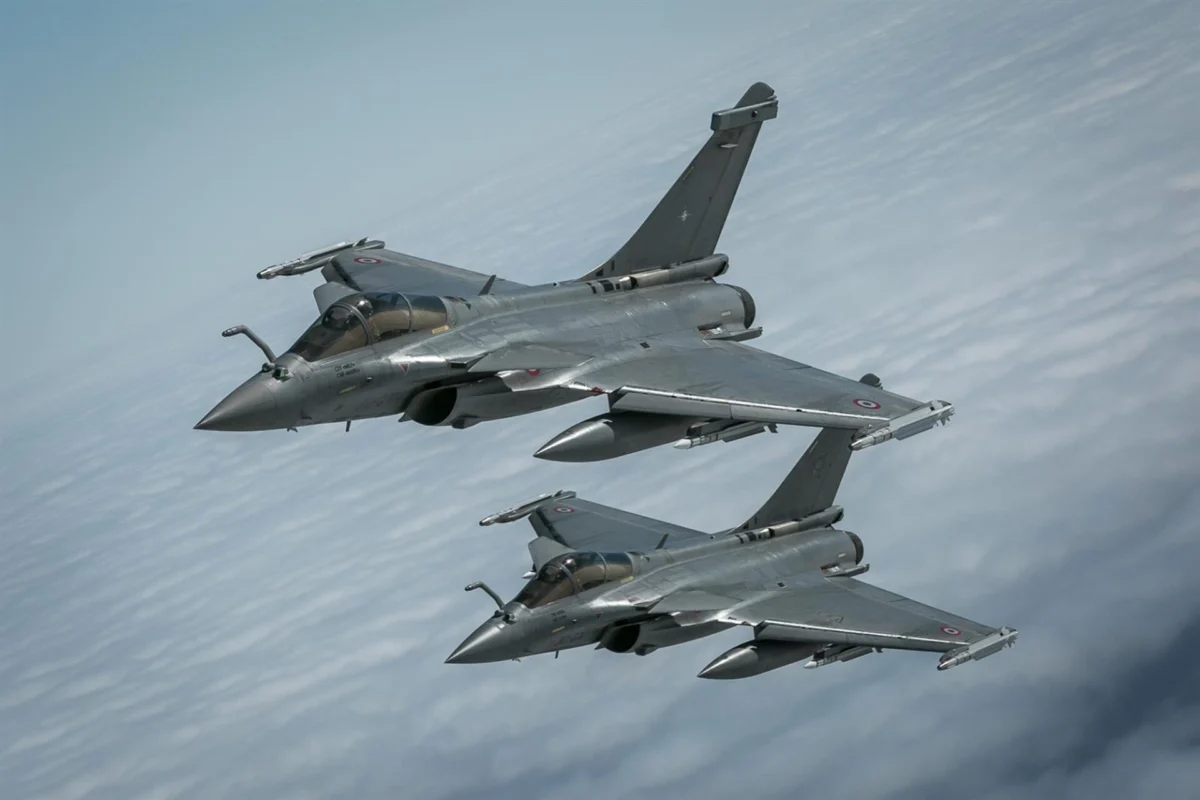
What Kallas is also pressing is naval reinforcement. She told defence ministers in Nicosia that the EU is discussing expanding Operation ASPIDES — the bloc’s naval mission originally launched in 2024 to protect commercial shipping from Houthi attacks in the Red Sea — to take on a larger role in the Hormuz region. She described ASPIDES as a potential EU contribution to the “Coalition of the Willing” backed by France and the United Kingdom. Operation IRINI, separately, has changed its rules of engagement to begin boarding vessels — a significant escalation of its own mandate.
The political agreement that made Monday possible was reached on April 21, at a foreign affairs council where Kallas told ministers that daily U-turns, whether the Strait of Hormuz is open or closed, are reckless. Transit through the strait, she said then, must remain free of charge — a direct rejection of Iran’s attempt to impose a $2 million-per-vessel fee, which Tehran has insisted is a lawful service charge, not a toll. That claim has been rejected by international maritime bodies and formed part of the legal predicate for Monday’s designations.
What Brussels still cannot say is whether the sanctions will move Tehran. The EU’s existing Iran sanctions architecture — covering human rights, nuclear, and military support designations — has not produced any visible change in Iranian policy on any of those files. The Hormuz crisis, unlike previous pressure points, carries a direct economic cost for Europe itself: higher energy prices, rerouted LNG shipments, and delayed industrial supply chains. That self-interest may make European resolve more durable here than on previous Iran dossiers. It also means the EU has more to lose if the designations prove ineffective.
Iran’s foreign ministry, in a statement following last week’s framework adoption, accused Kallas of “warmongering” and said Brussels should “first prove its impartiality” before claiming authority over regional maritime law. Tehran has so far shown no public willingness to negotiate on the navigation question separately from the broader nuclear and ceasefire talks that US negotiators are pursuing in parallel. Whether Monday’s first designations change that calculus — or simply add names to a list — is a question that neither Kallas nor the ministers gathering in Nicosia could yet answer.
The EU’s UNSC Resolution 2817, adopted earlier this year, called on all parties to ensure maritime security and condemned any acts that threaten navigation or prevent vessels from entering and exiting the Hormuz strait. What the resolution could not do — and what Monday’s designations attempt — is attach a cost to those acts at the individual and institutional level. Whether that cost is real, or merely symbolic, depends on how many entities the EU is prepared to list, and how quickly enforcement follows the announcement. Neither timeline has been given publicly.
According to the Council of the European Union, EU citizens and companies are prohibited from making funds, financial assets, or economic resources available to any individual or entity listed under the expanded regime. Kallas confirmed the sanctions were being applied in remarks at the informal defence ministers’ meeting in Cyprus — with no further details on specific designees disclosed at the time of her statement.