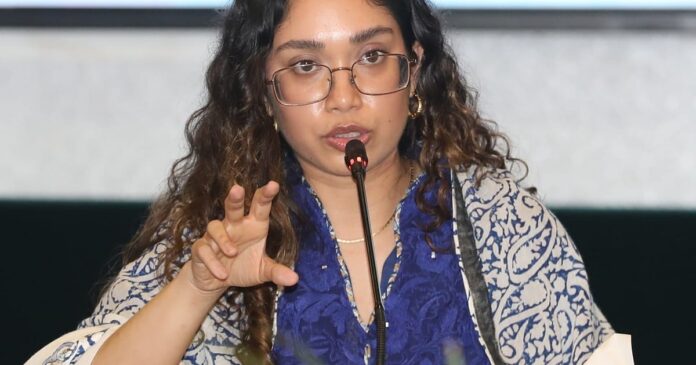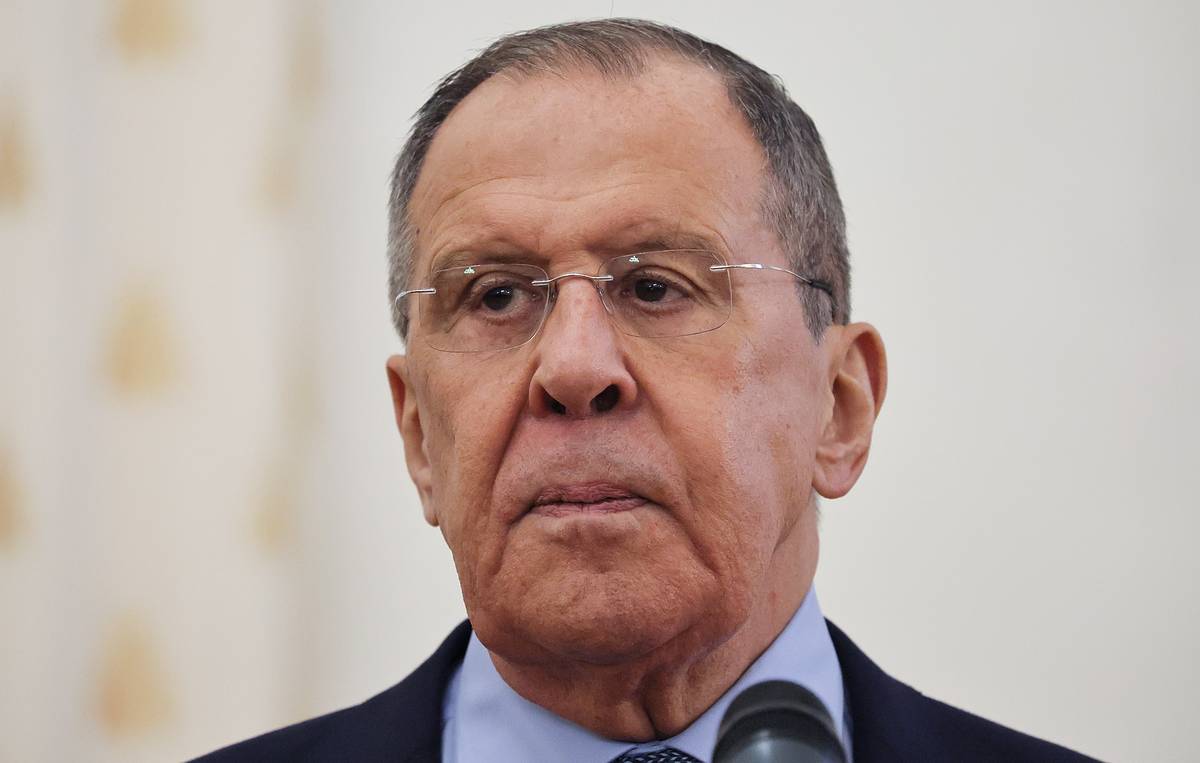

MOSCOW — The last time a senior Russian diplomat stood in Dhaka, it was September 2023, Sergey Lavrov had flown in to meet Sheikh Hasina, and Bangladesh’s foreign policy was effectively tethered to a government that would fall within a year. On Monday, in a gilded meeting room at Zinaida Morozova’s Mansion in Moscow, Bangladesh’s Foreign Minister Khalilur Rahman reversed the direction of that exchange — and the country sending the invitation is not the same one that received it.
“I’ve had the honor to warmly extend an invitation to you, Foreign Minister Lavrov, to visit us once again,” Rahman said at a joint press conference following their talks. “You have done that in 2023 and we are looking forward to receiving you in the near future.”
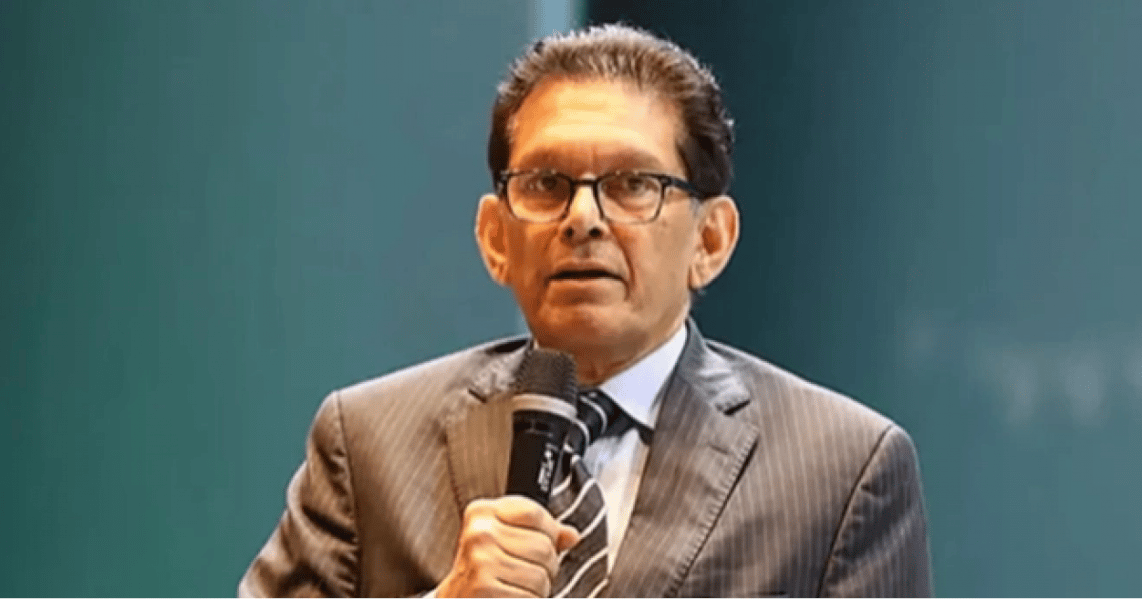
The phrasing was formal and careful, as Rahman’s statements tend to be — the 72-year-old is a Harvard-trained economist and former United Nations official who took the foreign affairs portfolio in February 2026 under Prime Minister Tarique Rahman’s Bangladesh Nationalist Party government, the administration that ended more than fifteen years of Awami League rule following the 2024 student-led uprising that forced Sheikh Hasina out. He has been methodically recalibrating Dhaka’s diplomatic posture ever since: a stopover in New Delhi in April to reset a relationship that had frayed badly under the interim government, and now this — a first-ever Moscow meeting in his current capacity, with an invitation attached.
What makes the invitation striking is the company it puts Lavrov in. Rahman is not just Bangladesh’s foreign minister. He is also the president-elect of the 81st session of the United Nations General Assembly — a fact the Russian Foreign Ministry flagged as a priority item before the talks even began. Moscow’s spokeswoman Maria Zakharova told reporters that particular emphasis would be placed on bilateral interaction at the United Nations, precisely because of that role. A UN official of that standing, extending a personal welcome to Russia’s top diplomat, is not a routine courtesy — not in June 2026, with Russia’s relationship to multilateral institutions as fraught as it is.
The two ministers discussed what the Russian Foreign Ministry described as current issues on the bilateral and international agenda, along with Russian-Bangladeshi interaction at the United Nations. The Rooppur Nuclear Power Plant — a $12.65 billion Rosatom project that remains the largest single foreign investment in Bangladesh’s history — was also a major agenda item, with the two sides negotiating the terms of its continued financing and completion under a new government that inherited the project without having commissioned it.
Rahman’s visit was itself at Lavrov’s original invitation, a three-day trip that began June 7 and includes meetings with the leadership of the Federation Council, Russia’s upper legislative chamber, as well as sessions with Rosatom officials. The schedule signals that Bangladesh is not walking away from the infrastructure commitments its predecessor government made — but it is also not treating those commitments as givens. The invitation to Lavrov to visit Dhaka, extending the diplomatic sequence, suggests a calculation that Bangladesh wants the relationship managed at the highest level rather than left to technocrats and bilateral trade mechanisms.
That calculation has domestic and regional dimensions that Dhaka cannot ignore. Bangladesh is squeezed geographically and diplomatically between India, where border and trade tensions remain elevated since the Hasina government’s fall, and Myanmar, where cross-border clashes have not stopped. Its economy depends heavily on garment exports to Western markets whose governments have been notably cooler toward Moscow since 2022. Hosting Lavrov in Dhaka — if the visit materializes — would require Rahman to manage that optic at a moment when his government is simultaneously seeking to strengthen ties with Washington and Brussels.
What Rahman has not said publicly is whether there is a timeline attached to the invitation, or whether it is the kind of standing offer that lives in joint communiqués without ever finding a date. Lavrov told reporters Monday that Russia would defend the UN’s coordinating role and expressed confidence in Rahman’s upcoming UNGA presidency — language that serves Moscow’s interest in having a friendly, or at least non-hostile, UNGA president heading into a session that will include debates over the Russian operation in Ukraine and the terms of any future peace architecture.
For Russia, the value of the relationship with Bangladesh is partly practical — the Rooppur plant, 185 Russian government scholarships allocated to Bangladeshi students for the 2025–26 academic year, and the bilateral consultation mechanisms on counterterrorism that both sides maintain — and partly symbolic. Bangladesh is a mid-sized democracy in South Asia that has not joined Western sanction regimes against Russia. A reciprocal Lavrov visit to Dhaka, under a new government with democratic credentials the Hasina administration lacked, would carry different weight than the 2023 trip did. Moscow knows that too.
Whether it happens depends on whether Rahman’s government decides the diplomatic benefit of the optic outweighs the risk. That question does not yet have an answer. But the fact that a Harvard-trained UN economist, now both Bangladesh’s foreign minister and the incoming president of the UN General Assembly, is the one extending it says something about how Dhaka is choosing to manage that calculation — quietly, formally, and with the invitation already on record before anyone could argue it had not been made.