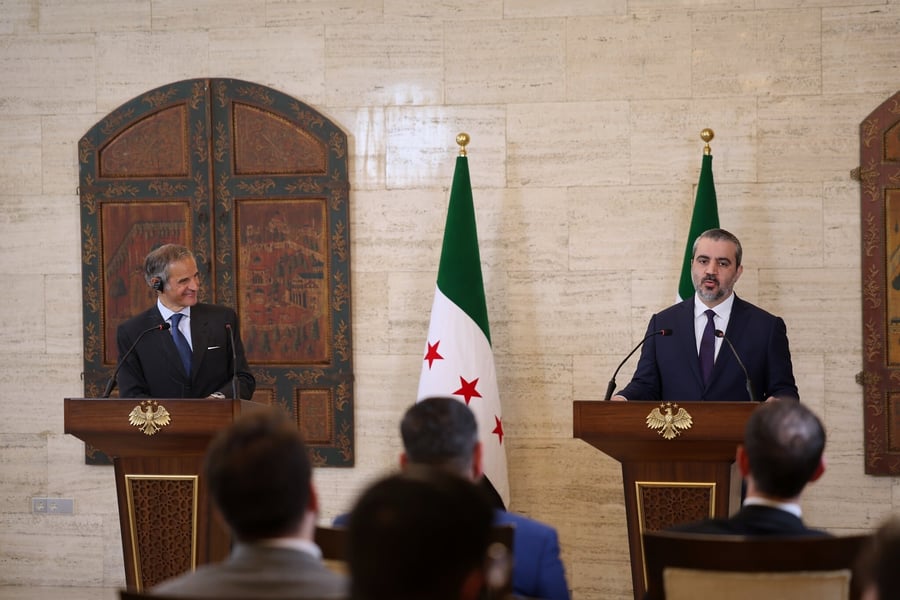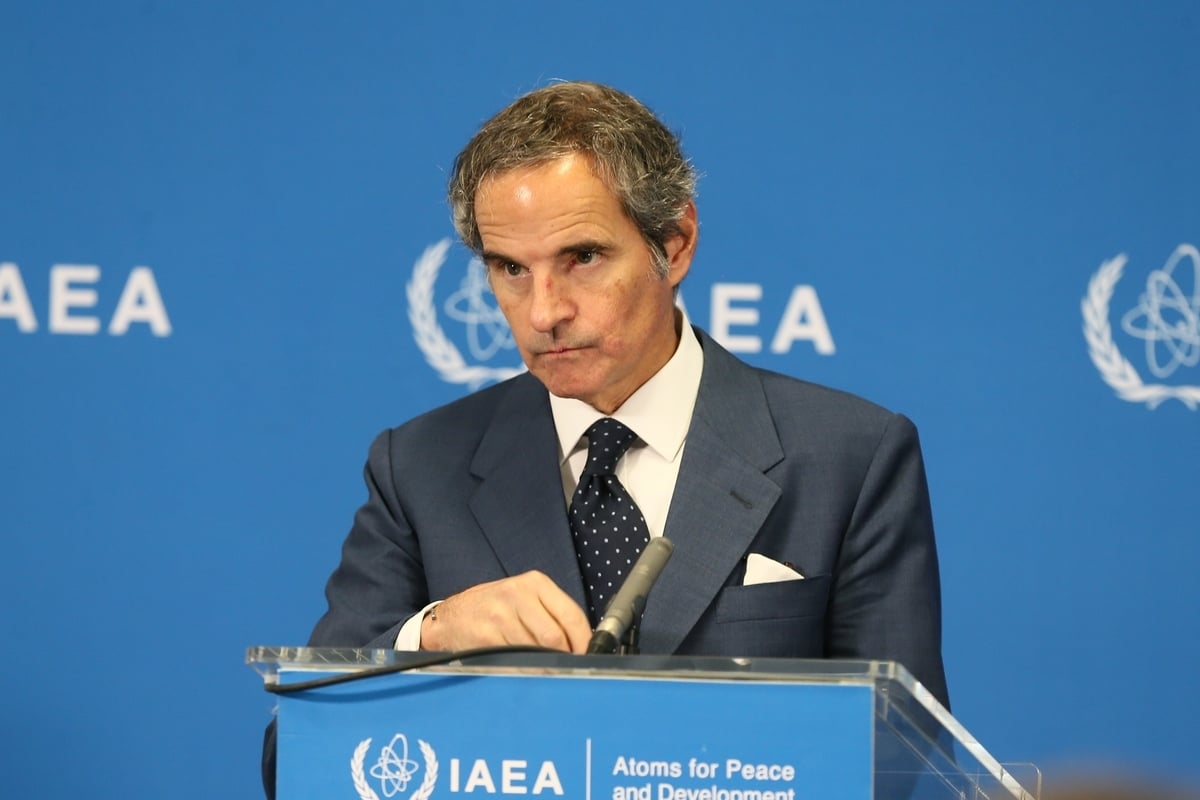

VIENNA — Rafael Grossi had just finished briefing the International Atomic Energy Agency’s Board of Governors on wars, nuclear plants under fire, and a year of lost inspections in Iran when a reporter asked the obvious question: where was the United Nations?
His answer was blunt. “We are in a world where conflict is multiplying, and one regrettable thing to see is that the United Nations is absent from the resolution of these conflicts,” Grossi said at a news conference in Vienna on Monday. “It needn’t be so.”
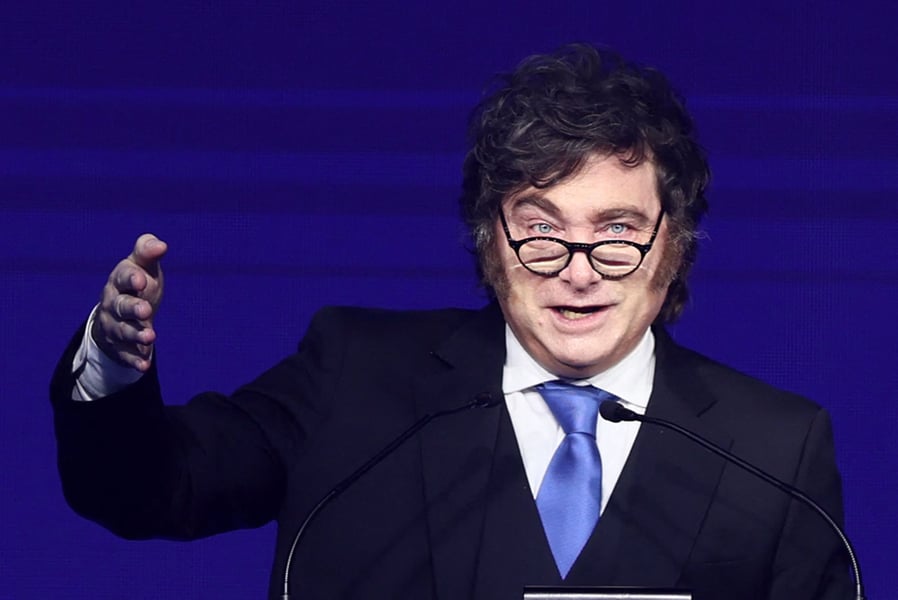
The remark was not the kind of throat-clearing diplomats usually offer. Grossi, the Argentine director general of the IAEA and one of the leading candidates to succeed António Guterres as UN secretary-general when Guterres’s term expires at the end of 2026, has made the organization’s retreat from active mediation a central argument of his campaign. What made Monday’s statement different was its setting: it came at a quarterly IAEA board meeting that had just opened in Vienna, with Iran’s nuclear dossier, nuclear safety in Ukraine, and the IAEA’s ability to function inside active conflict zones all on the formal agenda. The institutional crisis and the political pitch arrived on the same day.
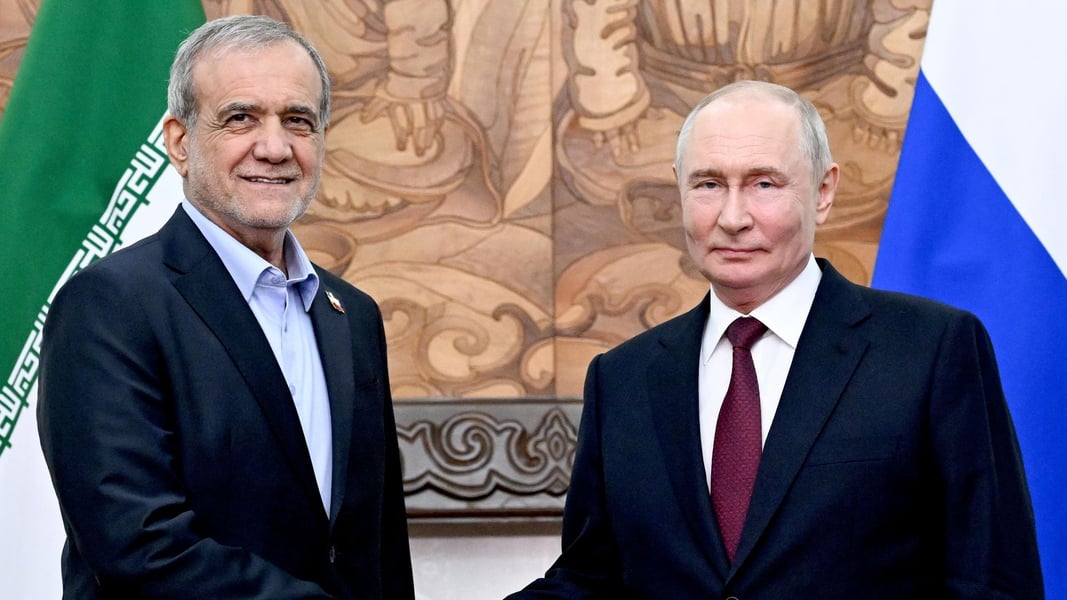
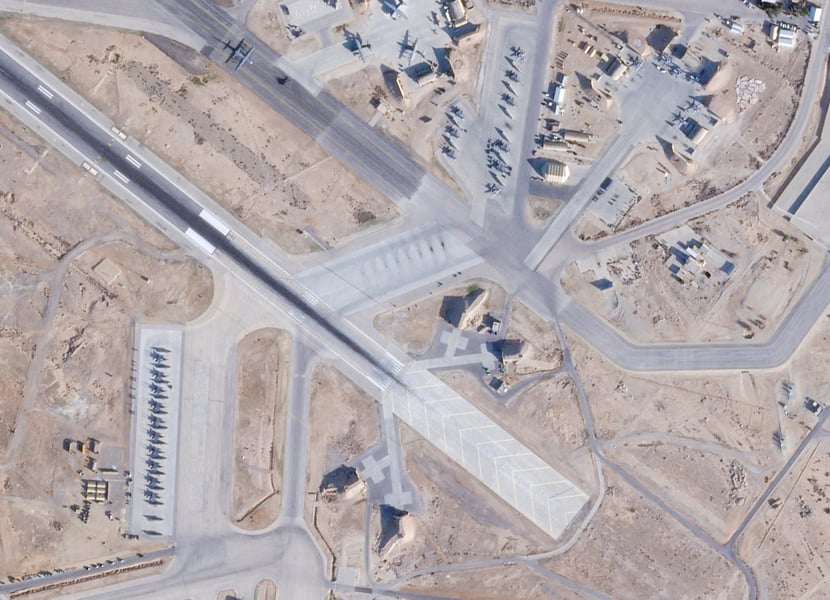
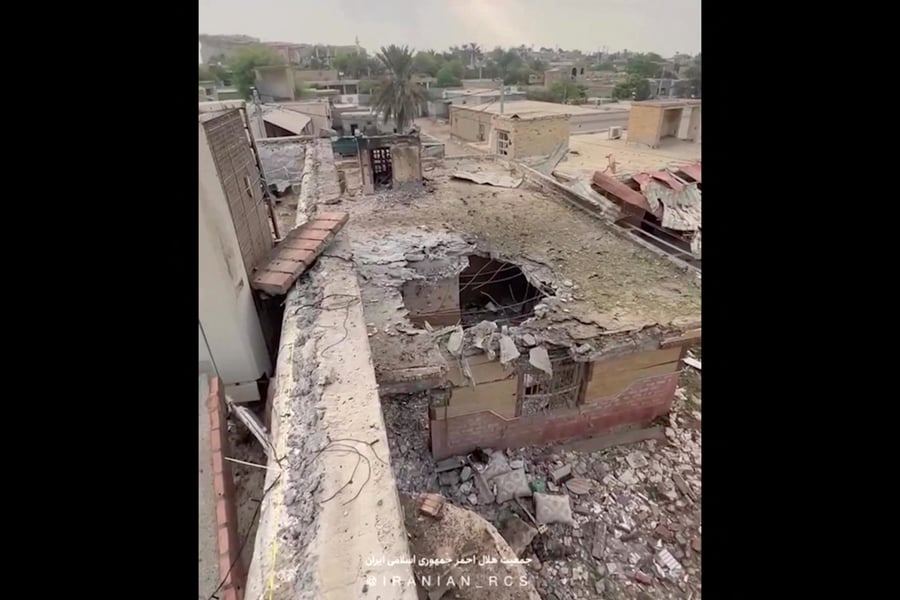
The IAEA Board of Governors meets four times a year at its Vienna headquarters, and its June session is typically heavy with geopolitical freight. This year’s session is heavier than most. In February, the agency suspended all in-field verification in Iran after the military conflict there made inspections impossible, though a routine inspection at the Bushehr nuclear power plant was conducted last week — the first since operations resumed. Seven declared Iranian nuclear facilities, including the Fordow and Natanz enrichment plants, were struck during the conflict and remain unverified. As Grossi told the board on Monday, wars in Europe and the Middle East are now structurally threatening the safety of nuclear facilities in ways the agency’s founding architects never contemplated.
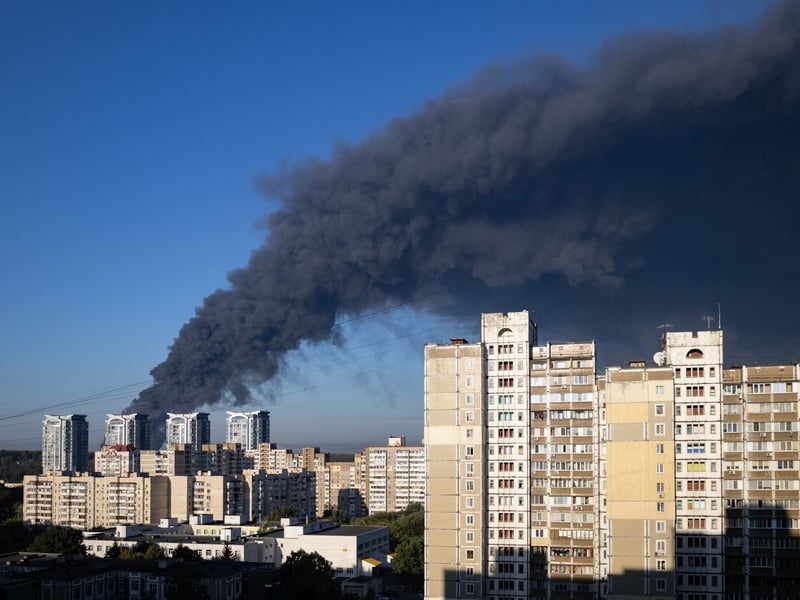
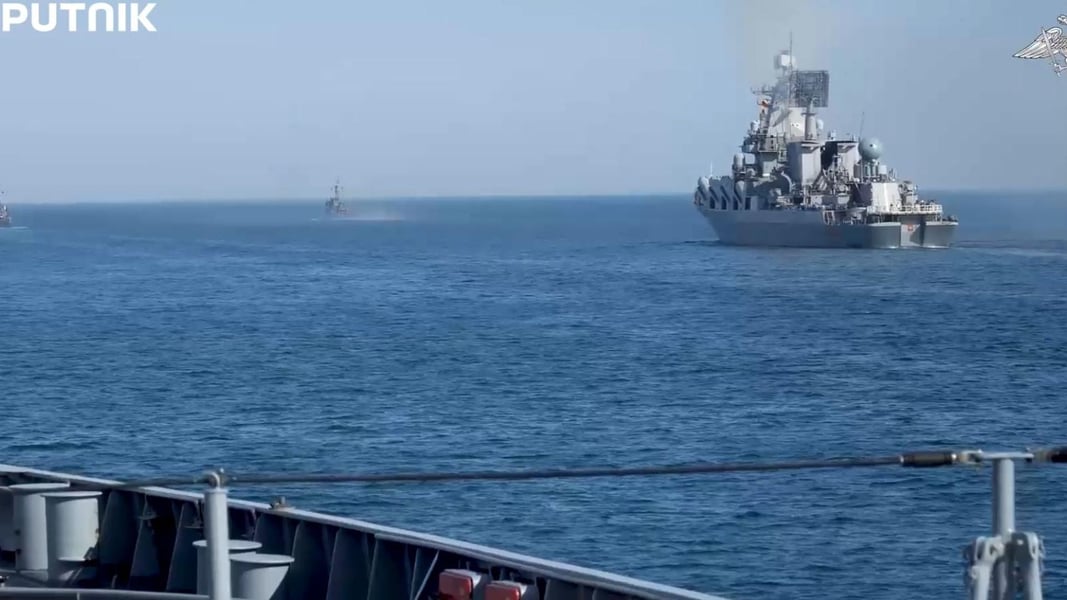
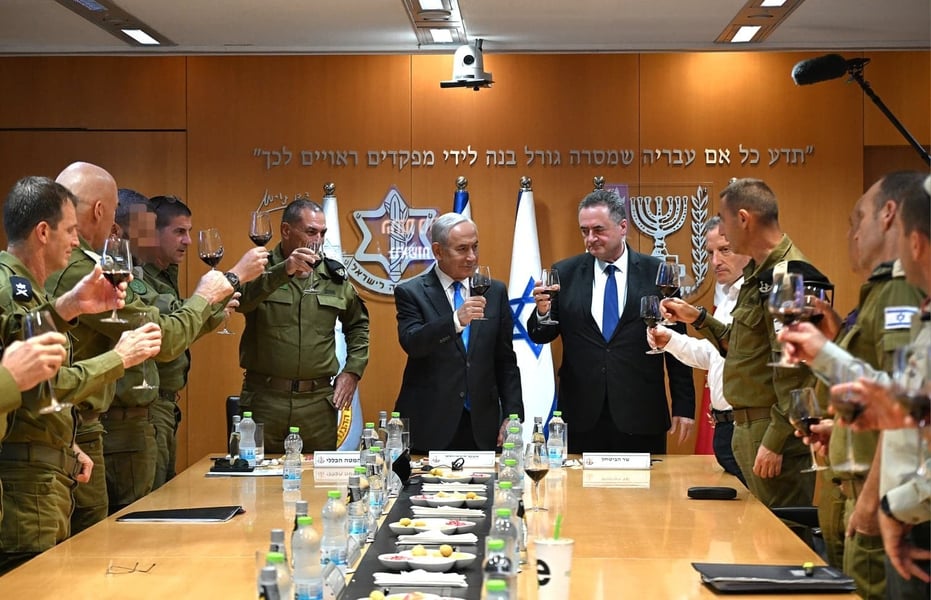
None of those crises were managed by the United Nations. The Russia-Ukraine war produced IAEA missions to the Zaporizhzhia nuclear plant — Grossi personally negotiated access with both Vladimir Putin and Volodymyr Zelenskyy — but the political framework for a ceasefire has run through Washington, not New York. The Iran-Israel-US confrontation earlier this year likewise bypassed the UN Security Council as a live forum, with the United States negotiating directly with Tehran over Iran’s nuclear program. As Grossi noted at a Council on Foreign Relations event in April, the Security Council did manage to pass Resolution 2803 on a Gaza peace plan — China and Russia chose to abstain rather than veto — but passage of a resolution and actual conflict resolution are not the same thing.
“Interstate war has returned after many years here in Europe but also in Africa and many other places,” Grossi said at a hustings in London last month, in remarks that his Vienna appearance Monday essentially reprised and updated. “The UN is absent from the management or resolution of any of the conflicts I have just mentioned.”
The structural argument underneath his criticism is one the UN itself has not publicly contested. The secretary-general’s office has “good offices” powers under Article 99 of the Charter — the right to bring any matter to the Security Council’s attention — but wielding that power requires political capital that Guterres has increasingly lacked with the major powers. Russia froze him out over Ukraine. The United States and Israel kept their own counsel during the Iran campaign. The result, as a PassBlue analysis of Grossi’s April General Assembly dialogue noted, is that the secretary-general’s role has contracted from active mediator to spokesperson for norms that no one with a gun is following.
Grossi argues the contraction is a choice, not a structural inevitability. His candidacy rests on the proposition that a secretary-general willing to travel personally to the front lines — as he did repeatedly for Zaporizhzhia and for the Iran nuclear talks — can rebuild the office’s relevance by demonstrating it. “We need a secretary-general who puts on their boots and goes where the problem is,” he said when Argentina formally launched his candidacy in Buenos Aires late last year.
Whether that argument wins the Security Council’s private vote is a separate question. Grossi’s candidacy faces competition from three Latin American women, most prominently former Chilean President Michelle Bachelet, who has run on a similar promise to engage personally in brewing conflicts but with the added argument that it is past time for the UN to be led by a woman. Bachelet has pledged to travel to conflict zones and engage even with parties the Security Council finds uncomfortable. A fourth candidate, Macky Sall of Senegal, has positioned himself as the choice for a Global South constituency that views both Grossi and Bachelet as products of an international establishment that failed to prevent the current disorder.
Grossi’s practical claim on the job rests on a record no other candidate can match at the intersection of nuclear security and active diplomacy. He presided over direct negotiations with Moscow and Kyiv at the Zaporizhzhia plant even as the silence regime there repeatedly collapsed. He attended US-Iran nuclear talks in February as an adviser. His statement to the board on Monday reiterated that nuclear facilities must never be attacked, citing attacks in both Ukraine and the Middle East as violations of principles the General Conference itself enshrined decades ago.
What his Monday remarks left unanswered — and what his campaign has not yet resolved — is the mechanism. Criticizing the UN’s absence is easier than explaining how a secretary-general, constrained by a Security Council where the United States, Russia, and China each hold a veto, actually inserts the organization into wars those same powers are either fighting or enabling. Grossi’s answer at the Council on Foreign Relations in April was essentially optimistic: when Washington and Tehran want a deal, he said, the Security Council can be made to work — Resolution 2803 proved it. But that reasoning assumes good faith from the parties involved, and the past year has not been generous with examples.
The IAEA board session continues through June 12.
Related Posts