VIENNA — The phone calls came quickly after the shots did. International Atomic Energy Agency Director General Rafael Grossi said Monday that he personally led consultations with both the Russian Federation and Ukraine after the silence regime around the Zaporizhzhia Nuclear Power Plant was violated, pressing each government not to walk away from the fragile ceasefire that had taken weeks of diplomacy to construct.
“I was personally, and my team, engaged in consultations with both governments, trying to convince them to not to abandon the ceasefire,” Grossi told reporters on the sidelines of the IAEA Board of Governors in Vienna on Monday. He did not name which side had violated the silence regime, and the IAEA has not publicly assigned blame for the breach.
The disclosure came at a Board of Governors meeting where Grossi opened by warning that “wars in Europe and in the Middle East are undermining the safety of nuclear facilities, increasing the risk of accidents” — language that, for the IAEA, constitutes as close to an alarm as the agency’s diplomatic constraints allow. The ceasefire took effect on June 5, the sixth such truce Grossi has personally negotiated with Moscow and Kyiv since late 2025. It had been designed to hold long enough to repair the 750-kilovolt Dniprovska power line — severed since March 24 — which sits atop high-voltage pylons straddling the line of control across the Dnipro River.
What Grossi’s statement made plain is that the ceasefire did not hold cleanly from the start. Someone fired. Both sides, in the familiar pattern of this war, likely blamed the other. And rather than let the arrangement collapse entirely, Grossi intervened directly — a detail that underscores just how close the repair operation, and nuclear safety itself, came to unraveling before it had properly begun.
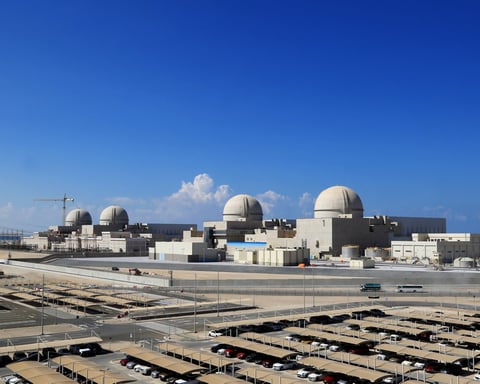
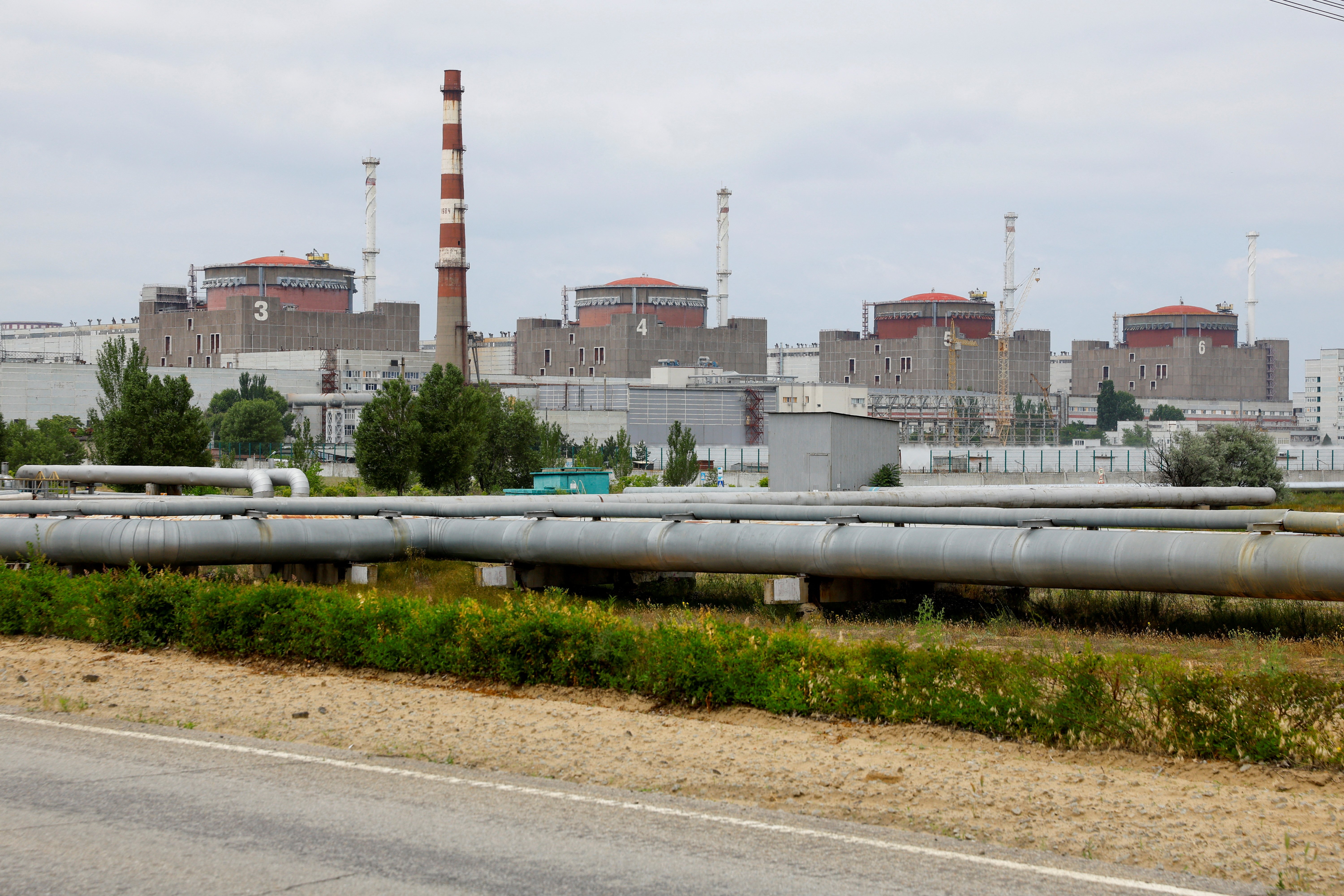
The stakes are not abstract. The ZNPP, Europe’s largest nuclear power plant, has lost external power 18 times since Russia’s operation in Ukraine began. Its six reactors have been in cold shutdown for more than three years, but cooling those reactors still requires reliable electricity. During the most recent outage, a 15-hour blackout that ended on June 7, the plant ran entirely on emergency diesel generators — the last line of defence before safety systems begin to degrade. IAEA monitors had been deployed to the demining phase of the Dniprovska repairs, the first time in six ceasefires the agency had observers on the ground during that preparatory stage.
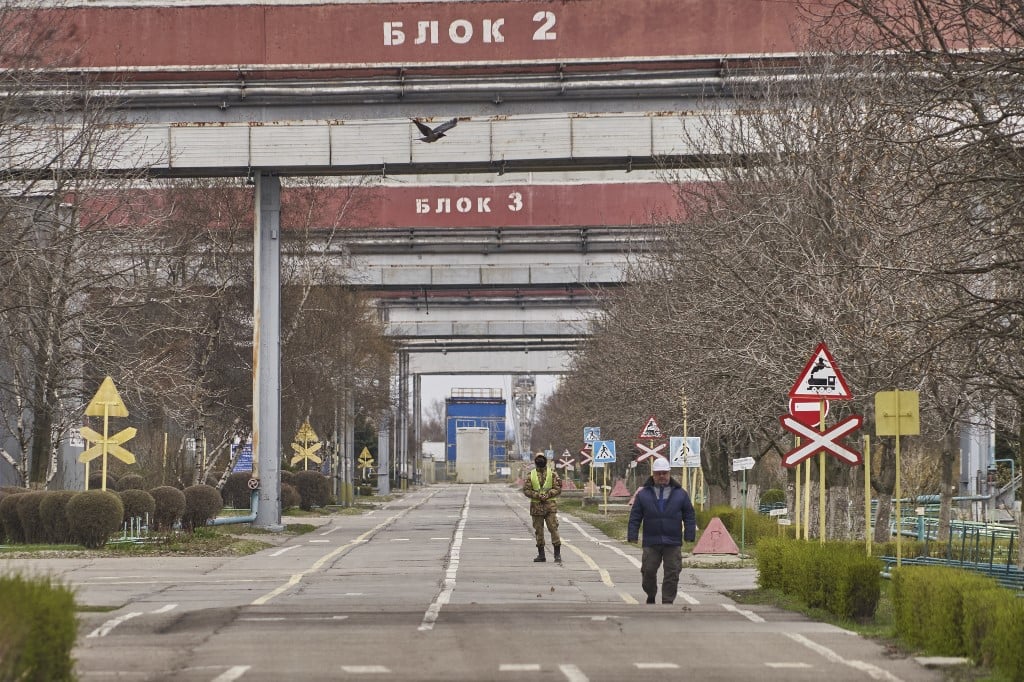
The Dniprovska line has been disconnected since late March when military activity severed it. In the months since, the ZNPP has been operating on its sole remaining backup line, the 330-kilovolt Ferosplavna-1, itself subject to repeated disruptions. Rosatom, the Russian state nuclear corporation, said the ceasefire would remain in force until June 23, a window that Grossi described as essential. Without the Dniprovska line repaired, the plant faces the prospect of another complete external power failure — its 19th since the conflict began.
The IAEA has framed each of these ceasefires as a diplomatic achievement, and each one has been. But Grossi’s statement Monday introduced a dimension that official agency releases had not made explicit: the agreements are not self-enforcing, and they are not always honored from the opening hours. The silence regime, in practice, requires the IAEA director general to act as a real-time mediator — fielding violations, absorbing accusations from both sides, and persuading governments at war that the shared risk of a nuclear accident outweighs whatever tactical advantage a single drone strike or artillery round might confer.
That framing is significant. Russia had publicly accused Ukraine of breaking the ZNPP ceasefire guarantees while the IAEA remained publicly silent on the allegation. Monday’s statement from Grossi, while still not assigning blame, confirmed that the agency was aware a violation had occurred and had responded to it. What the statement did not address is whether the Dniprovska repair work has actually resumed — or whether the ceasefire, having survived its first test by Grossi’s personal intervention, can hold through the scheduled June 23 end date.
The Board of Governors meeting is also where Grossi addressed the broader nuclear safety picture, reiterating his call for “all parties involved in conflicts to respect the seven indispensable pillars for ensuring nuclear safety and security during a conflict.” Those pillars, articulated by the IAEA in 2022, include prohibitions on attacks on nuclear facilities and commitments to maintaining external power. Both have been violated, multiple times, on multiple sides. The IAEA confirmed that its April 2026 update flagged the Dniprovska disconnection as ongoing. Grossi acknowledged that ZNPP “off-site power has been the most serious concern” but offered no indication that either government had committed to longer-term protections beyond the current ceasefire window.
That is the part Grossi left unanswered: whether the pattern — ceasefire brokered, ceasefire tested, Grossi personally intervenes, repairs proceed, ceasefire expires, power line damaged again — has any endpoint. His earlier demands for compliance after a Ukrainian strike hit a Russian mine-clearance team during the previous ceasefire window did not produce a lasting change in behavior from either side. The sixth ceasefire is now under the same pressure as the five that preceded it — surviving, so far, on the strength of Grossi’s phone calls.