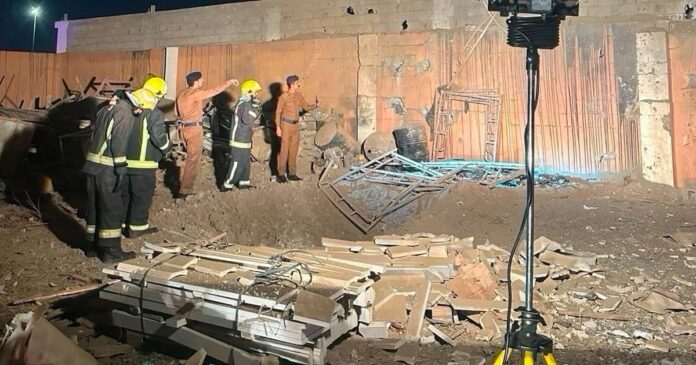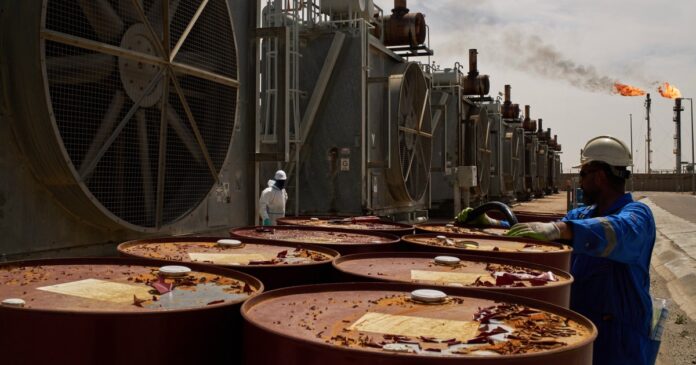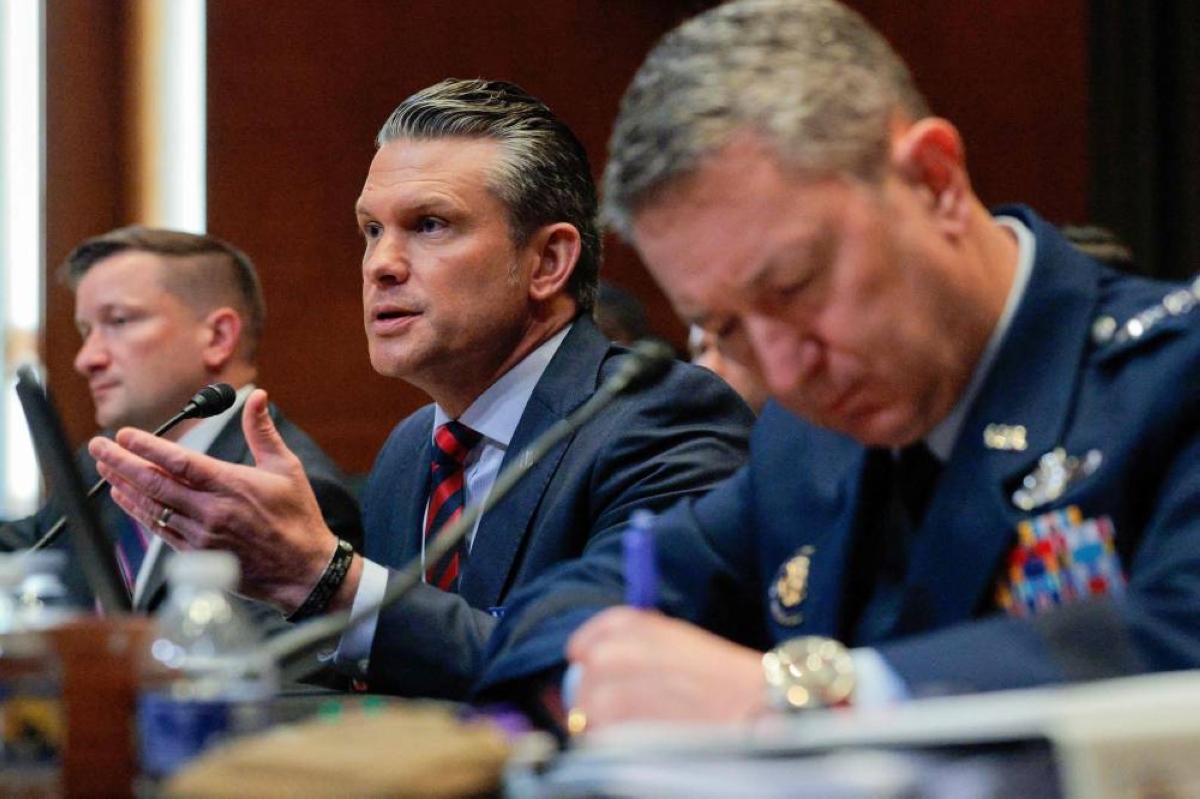

WASHINGTON — At $11,574 per second, the arithmetic is unforgiving. That is the rate at which an unofficial tracking website, Iran War Cost, estimates the United States military campaign against Iran has consumed public money since strikes began on February 28 — and as of Monday, the 100-day mark of Operation Epic Fury, the running total it displays has crossed $105 billion.
The Pentagon has offered no comprehensive accounting to match it. The Defense Department last disclosed an official figure in early May, when it confirmed $29 billion in direct unbudgeted costs through roughly Day 72. The gap between that figure and the tracker’s estimate reflects a methodological divide that goes to the heart of how the government is, and is not, disclosing the true cost of the war.
The Iran War Cost tracker bases its calculation on the Pentagon’s own briefing to Congress, which stated that the first six days of the operation cost $11.3 billion — approximately $1.88 billion per day. The website then applies a phased model: sustained operations at roughly $500 million per day after the initial strikes, declining to an estimated $95 million per day during the ceasefire standby period that began April 8, when Washington and Tehran announced a two-week pause in fighting. Since the ceasefire expired with no resumption of declared hostilities, the tracker has continued calculating at the lower standby rate — yet the cumulative weight of 100 days has pushed the estimate past nine figures nonetheless.
The site is explicit about its limitations. It is not a government source. It is built on publicly available anchors — the Pentagon’s Congressional briefing, analysis published by the Center for Strategic and International Studies, and estimates from the Penn Wharton Budget Model — stitched together with a daily extrapolation the Defense Department itself has never validated. What makes it notable is not its precision, which it does not claim, but the absence of an authoritative alternative. The Pentagon has released cost figures at three discrete moments during the conflict and has otherwise declined to provide running totals.
CSIS analysts Mark Cancian and Chris Park estimated in March that the first 100 hours of Epic Fury alone cost $3.7 billion, driven by the intensive use of Tomahawk cruise missiles and Standard Missile interceptors during Iran’s retaliatory drone and ballistic missile launches in the operation’s opening days. The Pentagon’s own Day 6 disclosure — $11.3 billion — confirmed the CSIS estimate was, if anything, conservative for that opening phase. Costs fell sharply after U.S. forces gained air superiority and shifted from high-end standoff munitions to less expensive gravity bombs, according to Defense Secretary Pete Hegseth.

What the $105 billion estimate includes that the official $29 billion figure does not is the cost of maintaining the personnel and naval assets deployed to the region — the carrier strike groups, air wings, and tens of thousands of service members whose operational expenses continue regardless of whether active strikes are taking place. That category of cost is real, and it is significant, but the Defense Department has consistently excluded it from its public war-cost disclosures, treating it as baseline military expenditure rather than conflict-specific spending.
The distinction is not merely accounting. With a House war powers resolution passing 215 to 208 last week — the sharpest bipartisan rebuke yet of the administration’s handling of the conflict — the question of what the war actually costs has become a legislative and political pressure point. Four Republicans broke with their own party to support the measure, citing fiscal concerns alongside constitutional ones.
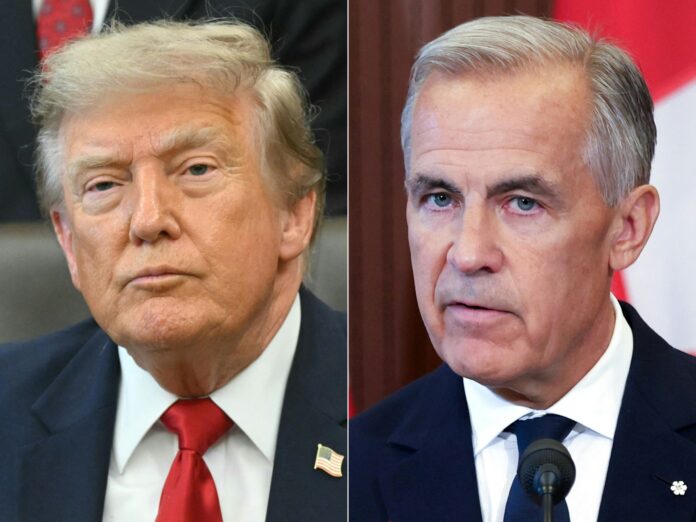
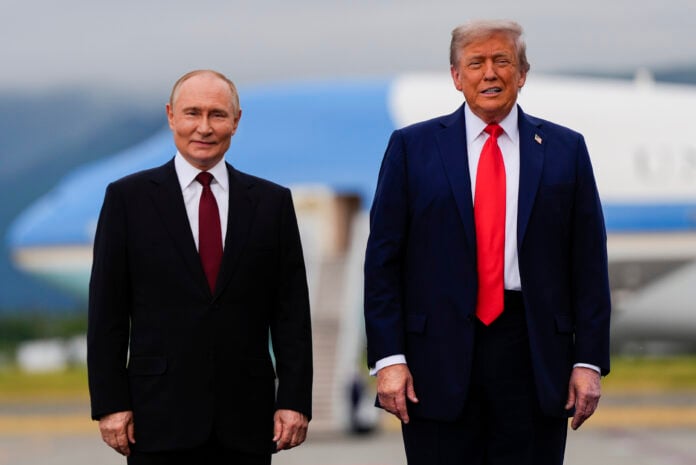
President Trump said Sunday that American forces would remain in the Middle East until the situation around Iran is resolved, offering no timeline. That open-ended commitment is precisely what the War Powers Act, whose 60-day clock the administration never asked Congress to extend, was designed to constrain. The Pentagon’s inspector general was formally appointed in May to oversee Epic Fury — a standard oversight mechanism that nonetheless signals official acknowledgment that the operation has entered a phase requiring independent scrutiny.
On the diplomatic side, Iran’s Foreign Minister Abbas Araghchi said last week there had been “no significant progress” in negotiations with Washington despite Trump’s public assertions that talks were proceeding well. Araghchi told Arab media outlet Al Mayadeen that no formal negotiation process was underway, though “messages continue to be exchanged” between the two sides. The blockade of Iranian ports, imposed by the United States after the ceasefire expired, remains in place.
The Iran War Cost tracker — built by a private developer using publicly available cost methodologies — notes that one comparable reference point is the Iraq War, which averaged roughly $410 million per day over its duration. At Epic Fury’s peak daily rate of $1.88 billion, the Iran campaign was more than four times as expensive per day as that conflict. Even at the lower standby rate the tracker now applies, the daily cost exceeds the full daily average of the Afghanistan War at its peak.
The Pentagon’s confirmed $29 billion figure through Day 72 implies an average daily cost for that period of approximately $97 million — though that figure compresses wildly varying daily rates across the operation’s phases. Whether the true cumulative total is closer to the government’s most recent disclosure or the tracker’s higher estimate depends almost entirely on how personnel sustainment costs are classified. That is a question the administration has not answered.
What is not in dispute, across all methodologies, is the scale. According to the Congressional Research Service, the operation has seen 42 aircraft destroyed in 40 days of active operations — a materiel attrition rate without precedent in recent American military history. The replacement cost of those platforms alone runs into the tens of billions. None of that has appeared in the Pentagon’s public accounting.
At 100 days, the United States is spending money in the Middle East faster than it is producing answers about how much, or for how long.