
The scale of US military losses during the war against Iran is coming into sharper focus after a Congressional Research Service report revealed that the United States lost or suffered major damage to 42 aircraft during the first phase of Operation Epic Fury, exposing the intensity of the conflict and raising new questions about Pentagon transparency, battlefield readiness, and the soaring financial cost of the war.
The report, prepared for Congress and released amid growing scrutiny on Capitol Hill, documented losses ranging from advanced fighter jets and aerial refueling tankers to surveillance aircraft, combat rescue helicopters, and high-end drones. The findings represent one of the most detailed public assessments yet of the damage sustained by US airpower during operations launched jointly by Washington and Israel against Iran earlier this year.
The Congressional Research Service stated that the losses included “42 fixed-wing or rotary-wing aircraft, including uncrewed aircraft,” that were either destroyed, damaged, or rendered inoperable during combat operations linked to the Iran war. The report relied on Pentagon disclosures, US Central Command statements, and battlefield reporting.
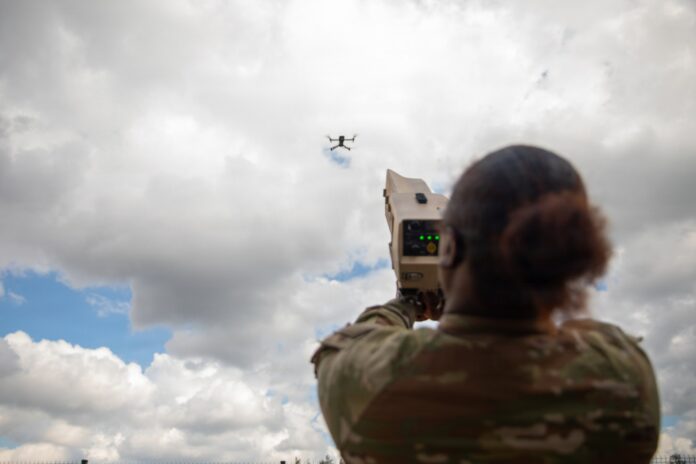
The heaviest blow came to America’s drone fleet. According to the report, the US military lost 24 MQ-9 Reaper drones and one MQ-4C Triton surveillance drone during operations across Iran and the Persian Gulf. Several of the drones were reportedly shot down by Iran’s air defense capabilities, while others were lost during reconnaissance and strike missions deep inside contested airspace.
The MQ-9 Reaper has been one of the Pentagon’s most heavily used platforms in modern warfare, capable of carrying precision-guided munitions while conducting long-endurance intelligence missions. Losing nearly two dozen of them in less than three months marks one of the most severe drone attrition rates faced by the US military in recent decades.
The report also revealed serious damage to America’s aerial refueling capability. Seven KC-135 Stratotanker aircraft were reportedly knocked out of action during the conflict. One tanker crashed over Iraq during military operations, killing six crew members, while several others were damaged during Iranian missile and drone strikes targeting facilities in Saudi Arabia.
The losses have alarmed military analysts because aerial refueling aircraft are central to sustaining long-range air campaigns. Without them, fighter jets and bombers operating over Iran would struggle to maintain combat persistence over extended distances.
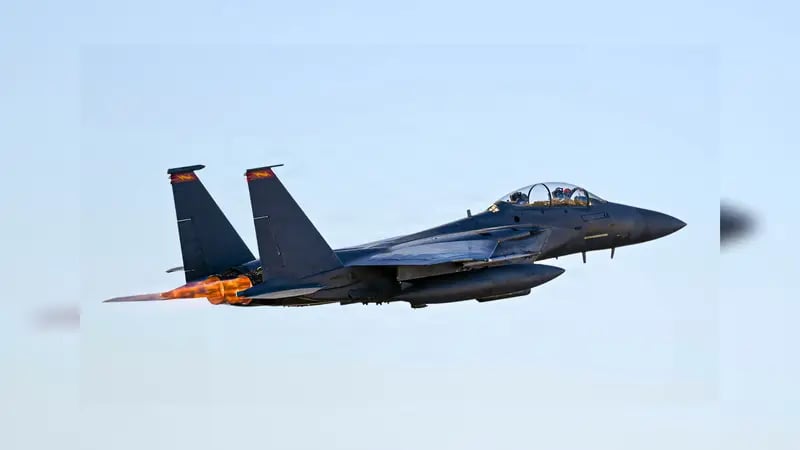
Among combat aircraft, the CRS report confirmed the loss of four F-15E Strike Eagle fighter jets. Three were reportedly shot down by friendly fire over Kuwait during the chaotic opening weeks of the campaign, while another was destroyed by Iranian air defenses over Iranian territory.
The destruction of an F-15E inside Iran triggered one of the most complex combat search-and-rescue operations conducted by the United States in decades. Hundreds of US special operations personnel and more than 150 aircraft were involved in efforts to recover the downed crew from Iranian territory.
During the rescue operations, the US military deliberately destroyed two MC-130J Commando II special operations aircraft to prevent them from falling into Iranian hands. An A-10 Thunderbolt II attack aircraft was also reportedly destroyed during the mission, while an HH-60W Jolly Green II rescue helicopter sustained combat damage.
The report additionally disclosed damage to one of the Pentagon’s most advanced aircraft, the F-35A Lightning II stealth fighter. According to the assessment, the aircraft was hit by ground fire during operations against Iranian targets, marking one of the first publicly acknowledged combat damage incidents involving the fifth-generation fighter in a major war zone.
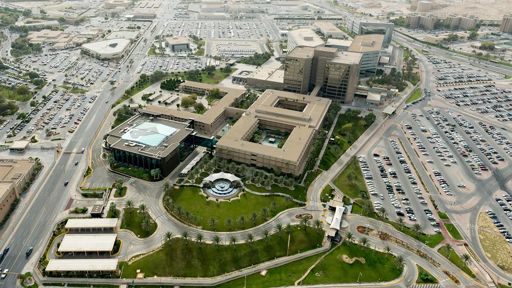
Iranian missile systems also reached key US military infrastructure in the Gulf region. During missile and drone attacks targeting Prince Sultan Air Base in Saudi Arabia, an E-3 Sentry airborne warning and control aircraft was reportedly damaged while stationed on an exposed runway.
The E-3 Sentry serves as a critical airborne command-and-control platform, providing battlefield surveillance and coordination for coalition air operations. Damage to such high-value aircraft underscores the increasing vulnerability of military facilities in the Middle East.
The financial burden of the conflict is rapidly becoming another flashpoint in Washington. According to figures cited in the Congressional report, the Trump administration has already spent more than $85 billion during the first 79 days of military operations against Iran. Earlier Pentagon estimates had placed the cost significantly lower, intensifying criticism from lawmakers demanding clearer accounting of the war’s long-term impact.
Defense analysts warn that replacing many of the damaged or destroyed aircraft may take years. Some of the affected platforms, including the KC-135 tanker fleet and the E-3 Sentry, are aging systems with limited production lines or no direct replacements immediately available.
The report also fuels broader debate over whether the United States underestimated Iran’s air defense capabilities before launching the campaign. Despite weeks of sustained bombing, Iranian missile systems, drone units, and mobile launch platforms continued to inflict losses on US and allied aircraft throughout the conflict.
Operation Epic Fury began on February 28 after US and Israel launched coordinated strikes against Iranian military and strategic infrastructure. Tehran responded with waves of ballistic missile attacks, drone strikes, and asymmetric operations targeting US assets across the region. Although a temporary ceasefire was announced in April, intermittent clashes and military deployments have continued, keeping the region on edge.
The Congressional Research Service report is now expected to intensify calls inside Congress for a full Pentagon accounting of losses sustained during the war. Several lawmakers have already questioned whether the Department of Defense has publicly disclosed the full extent of the damage suffered by US forces during the campaign.
—Inputs from Sputnik.