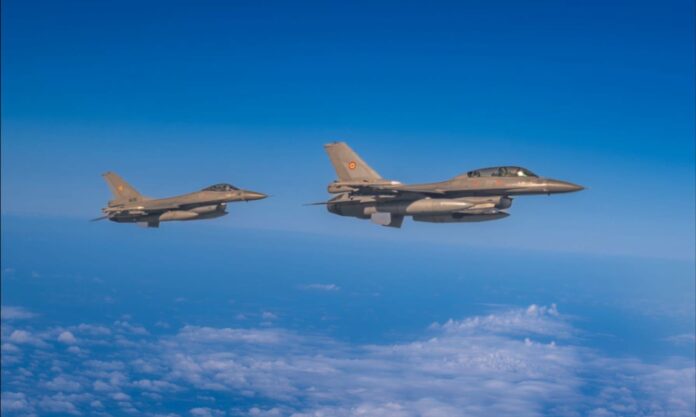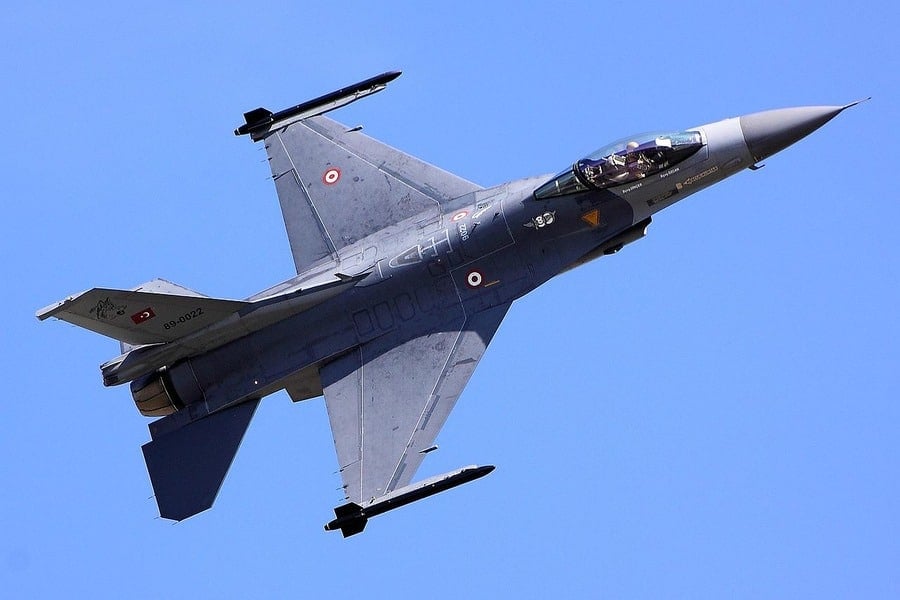

NICOSIA — The intercept happened hours before a milestone. Two Turkish F-16 fighter jets lifted off from Ercan Airport in the occupied north of Cyprus on Sunday evening, tracking state aircraft carrying Greek Defence Minister Nikos Dendias and his counterparts from France and the Netherlands toward Larnaca. By Monday morning, the sequence of events had produced two irreconcilable accounts — and a fresh test of Turkey’s relations with the European Union.
Turkey’s presidential communications directorate acknowledged the scramble in a statement issued through its Disinformation Counteraction Center, but rejected Greek and Cypriot characterizations of what followed. “The claims circulated by certain media outlets and shared on social media alleging that Turkish aircraft harassed planes carrying Greek Minister of National Defence Nikos Dendias and European ministers, and that Turkish aircraft violated Greek airspace, are entirely false,” the statement read.
The Turkish side offered a specific counter-narrative: four of the six aircraft traveling from Greece to southern Cyprus had, in Ankara’s telling, themselves intruded into the airspace of the Turkish Republic of Northern Cyprus, an entity recognized by no government other than Turkey’s. The F-16s were scrambled, the statement said, “as a precautionary measure” — not as aggression. All flights subsequently landed safely at Larnaca International Airport.
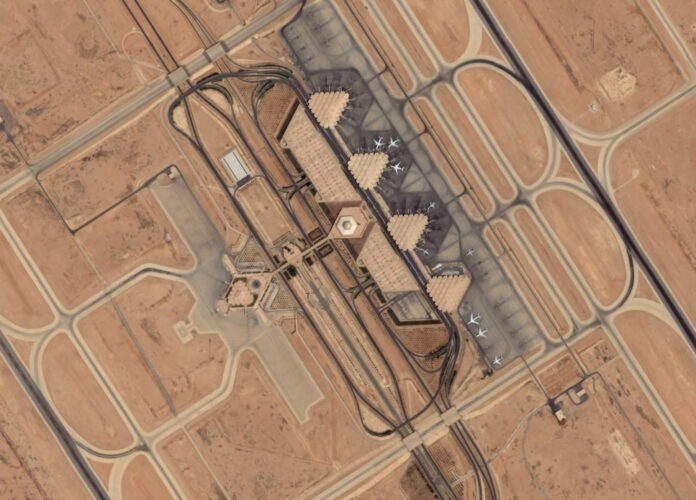
Greek and French officials told their Cypriot counterparts a different story. According to Cypriot defence sources, electronic interference with the aircraft’s communications originated from the control tower at Ercan — which Athens calls Tymbou — during the flight. A second incident involving the aircraft carrying Dendias was reported roughly forty minutes later. Greece questioned the legal basis for Turkey’s deployment of F-16s to the island at all, a separate line of criticism that went unaddressed in Ankara’s statement.
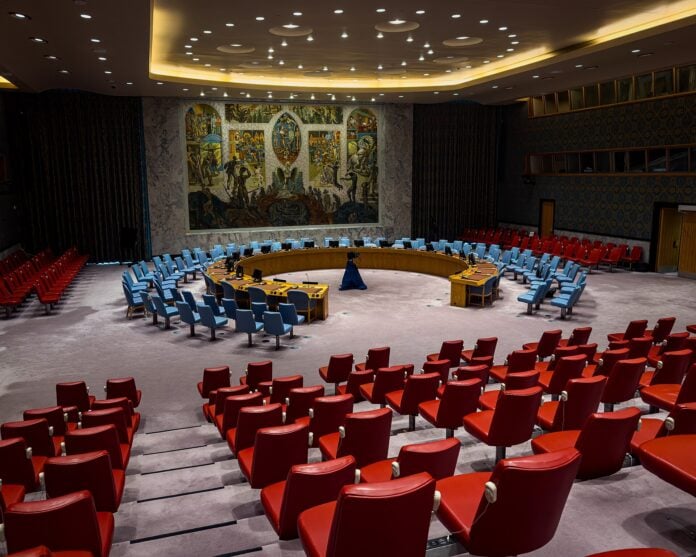
The timing was not lost on officials in Nicosia. The ministerial aircraft were en route to attend the informal EU Foreign Affairs Council on Defence, a meeting Cyprus is hosting as part of its presidency of the Council of the European Union. On Monday afternoon, French Armed Forces Minister Catherine Vautrin and her Cypriot counterpart Vasilis Palmas signed a Status of Forces Agreement establishing a formal legal framework for the presence of French military personnel on the island. The agreement, whose broad outlines were agreed during President Emmanuel Macron’s visit to Nicosia in April, had drawn protests from Ankara before a single aircraft left the runway.
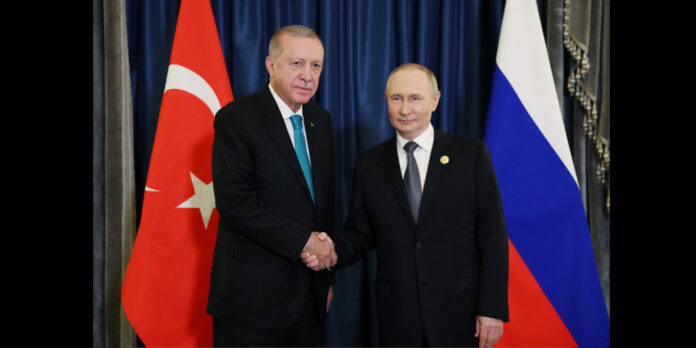
Omer Celik, the spokesman for Turkey’s ruling AKP, offered the clearest articulation of Ankara’s position: the F-16 deployment existed to “consider the security of the TRNC.” What that means in practice has been the subject of legal argument for decades. Turkey does not recognize the Republic of Cyprus as the legitimate authority over the island’s airspace. Greece and the EU do. The flight paths that Ankara describes as TRNC intrusions are, under international aviation law, unremarkable transits of Cypriot-administered space.
The Turkish Cypriot air traffic controllers’ union added its own denial of the radio interference allegations, with union leader Kursad Hudaverdioglu calling Greek reports “misrepresentations” of what occurred. But the union’s statement, like Ankara’s, left unaddressed the core question: whether any of the electronic activity documented by Greek and French officials was consistent with interference or merely coincident with it.
The incident added a sharp edge to a summit already freighted with strategic significance. France and Cyprus have framed their SOFA as a contribution to EU collective defence and a humanitarian posture in a volatile Eastern Mediterranean neighbourhood. Turkey has described the same agreement as a destabilising act. The EU foreign ministers gathering in Nicosia were simultaneously confronting separate tensions over Iran’s posture in the Strait of Hormuz, leaving European capitals attempting to manage multiple pressure points in one concentrated week of diplomacy.
The US-manufactured F-16 has been a recurring subject in Greek-Turkish relations. Turkey’s air force has operated the jets since 1987 and, after prolonged congressional negotiations tied to Sweden’s NATO accession, completed a fresh $23 billion procurement in 2024. Greece has operated its own F-16s since 1989. The question of how Turkey uses aircraft sold under American end-use agreements has drawn periodic scrutiny from Washington, though no explicit conditions restricting deployments near Cyprus have ever been published. Whether the June 7 scramble prompts any inquiry along those lines remains to be seen.
What the Turkish statement did not explain was what distinguishes Sunday’s scramble from the nine airspace violations the Hellenic National Defence General Staff documented on June 6, the day before the ministerial flights. On that occasion, Greek authorities reported armed Turkish F-16s involved in two separate incidents over the Aegean, with one engagement involving a Greek surveillance aircraft. Ankara has not addressed those reports. The diplomatic thaw Greece and Turkey began negotiating in 2023 has evidently not reached whatever calculus governs Turkish air activity around Cyprus.
Greece said it would formally report the interference with ministerial aircraft to relevant authorities. The Cypriot government echoed that position. Neither government specified a timeline, and it was not clear which international body they intend to petition or what remedy, if any, that process could produce. The France-Cyprus SOFA was signed on schedule.
The EU presidency council meeting in Nicosia continued without interruption. What Monday’s confrontation disclosed — about the outer boundaries of Turkish tolerance for Franco-Cypriot defence integration, and about the practical reach of Ankara’s TRNC airspace doctrine — is a question without a clean answer yet.