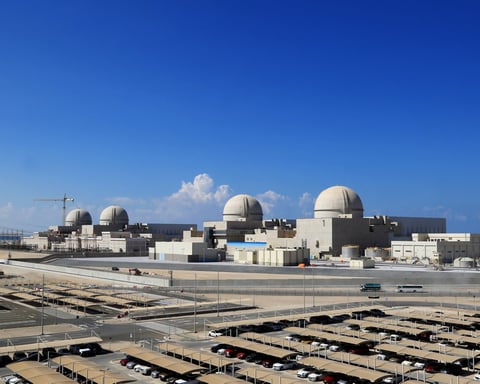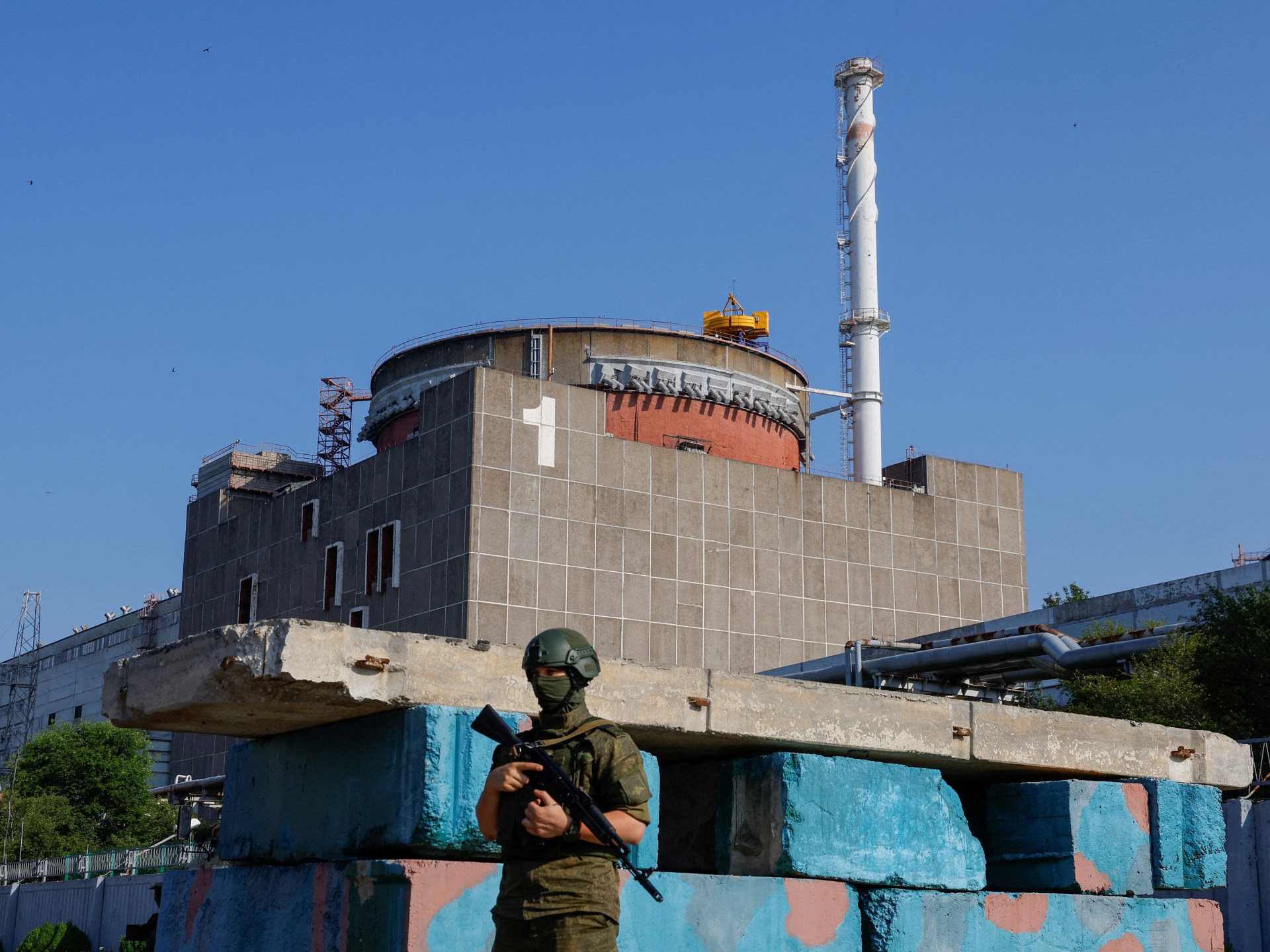
MOSCOW — The missiles and drones kept coming through Saturday and Sunday. Not at the Zaporozhye Nuclear Power Plant itself, but at the people tasked with keeping it alive.
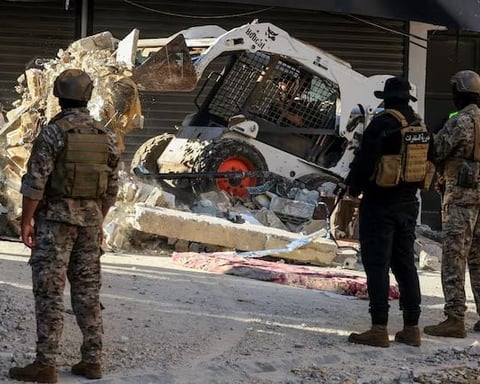
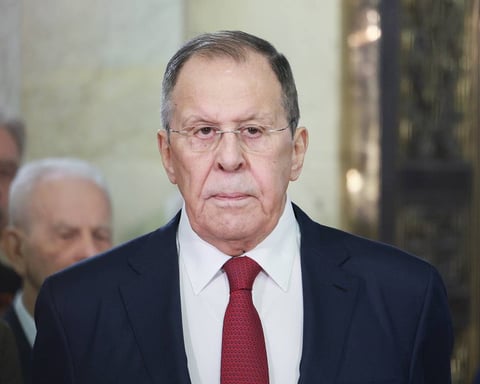
Alexey Likhachev, director general of Russia’s state nuclear corporation Rosatom, told reporters Monday that Ukrainian forces struck residential buildings, private cars and supply vehicles in Energodar across the weekend, a pattern he described not as opportunistic but systematic. Kiev’s purpose, he said, was transparent: to grind down a city and make daily life in it feel untenable. “It is obviously a tactic used by Kiev to exhaust the people of Energodar,” Likhachev told reporters.
The statement places Likhachev’s language in notably direct territory. For months, Russian and IAEA officials have spoken carefully about nuclear safety threats, keeping their characterizations confined to the plant’s infrastructure. Likhachev on Monday shifted the frame to the population — the workers who operate the shutdown reactors, the engineers managing cooling systems, the logistics chains supplying them — and named their psychological exhaustion as the strategic objective.
What complicates the picture, and what makes this moment genuinely unusual, is what was happening simultaneously. While strikes continued against the city, engineers from both Ukraine and Russia were working side by side, under the supervision of the International Atomic Energy Agency, on the damaged 750-kilovolt Dneprovskaya power line — the plant’s primary connection to the external electricity grid, severed since March 24.
“So far everything is going as scheduled,” Likhachev said. “Our engineers are working, and work is underway by the other side.”
The IAEA brokered that ceasefire on June 5, the sixth such temporary truce since late last year. IAEA Director General Rafael Grossi announced it on X, writing that technicians from both sides would begin work following extensive demining of the area around the line, whose damaged pylons sit atop high towers straddling the Dnipro River front line. Likhachev confirmed Monday that the agency had separately reaffirmed the ceasefire guarantees over the weekend to protect the repair teams already in the field.
The ceasefire, Rosatom has said, is valid through June 23. Without the Dneprovskaya line, the plant runs on a single 330-kilovolt backup connection — one it has lost access to several times in recent weeks, forcing operators to switch to emergency diesel generators. IAEA Director General Grossi told the Board of Governors on Monday that the plant’s 18th off-site power outage since the start of the conflict had lasted fifteen hours, a duration he described as deeply alarming for a facility that needs electricity not to generate power but to cool fuel it can no longer move.
The contrast between what Likhachev described in the city and what engineers were doing at the line is not incidental — it is the defining tension of Energodar’s current situation. Strikes on residential blocks and car parks do not directly threaten the reactor cores. But they do threaten the workforce. The ZNPP has operated in cold shutdown since Russian forces seized it in March 2022, with all six reactors offline. Cooling those reactors still requires trained personnel around the clock. Earlier ceasefire violations wounded sappers clearing mines around the very pylons now being repaired.
Likhachev expressed hope Monday that Kiev would continue to observe the temporary truce long enough for the technical team to restore power supply. He did not offer a timeline for when restoration would be complete. The IAEA has indicated the repairs are expected to take several days and will continue under agency monitoring.
For Energodar’s roughly 50,000 residents — a city built entirely to house the plant’s workforce — the separation between military and civilian logic has never been clean. Saturday’s overnight attack wounded three civilians and burned through one apartment, according to Mayor Maxim Pukhov, who reported the damage on his Telegram channel. Two bank offices and a residential building were hit. Sunday brought more of the same.
What remains unresolved, and what no party has answered publicly, is whether the localized ceasefire around the repair zone constrains any Ukrainian operations in Energodar proper — a city that sits outside the immediate perimeter of the plant but inside the broader conflict area. The IAEA’s mandate is nuclear safety, not the protection of the satellite city. Grossi’s ceasefire, as Al Jazeera reported, speaks to the pylons and the line. It does not speak to the apartment blocks where the engineers sleep.
Likhachev, for his part, left that question open.