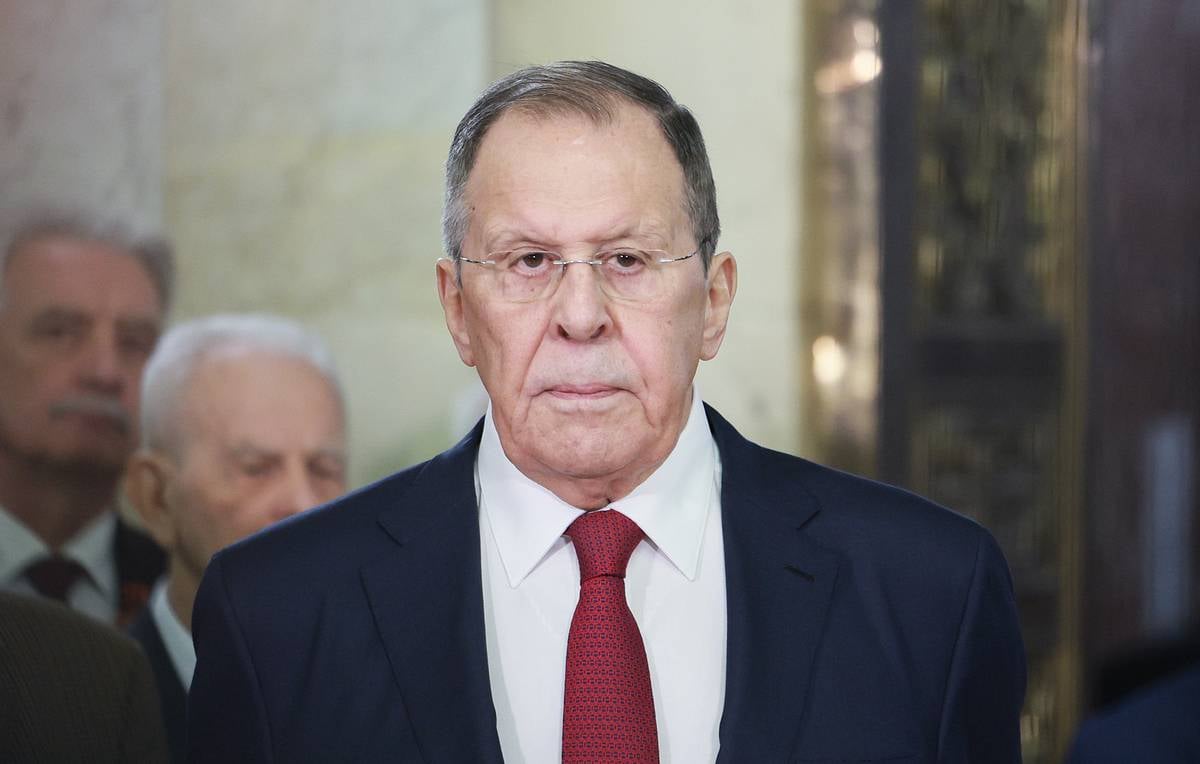
MOSCOW — The message Sergey Lavrov delivered to Michelle Bachelet on Monday was framed as a statement of principle, but it landed as something closer to an ultimatum. Russia wants the next United Nations secretary-general to be “neutral, independent,” and committed to every clause of the UN Charter — including, Lavrov made plain, the ones Moscow believes the current leadership has selectively ignored.
“I would like to confirm our full support for the need for a secretary general to be neutral, independent, and devoted to the Charter in all its entirety, not just ‘Kosovo is a right for self-determination,’ ‘Crimea is a territorial integrity of Ukraine,'” Lavrov said at the meeting, according to a statement from Russia’s Foreign Ministry. “This is the key, and we have to be certain that a Secretary General would really be different this time.”
The remark was directed at Bachelet, the former Chilean president and former UN High Commissioner for Human Rights who is among the leading declared candidates to succeed António Guterres when his term expires on December 31. Bachelet is pressing ahead despite Chile’s own withdrawal of her nomination in March, backed by Brazil and Mexico. She had traveled to Moscow as part of a diplomatic circuit that has taken candidates to the capitals of Security Council permanent members — each of which holds veto power over the selection.
Russia’s position is not merely rhetorical. The five permanent council members must reach consensus before the General Assembly can formally appoint Guterres’ successor, meaning a single veto can end any candidacy. Lavrov’s pointed reference to Kosovo and Crimea — twin territorial disputes that Russia views as mirror images treated asymmetrically by Western-backed UN leadership — signaled the precise bar Moscow will apply. A secretary-general who treats those cases differently, in Russia’s reading, is not neutral at all.
What that bar means for Bachelet’s candidacy is not yet clear. She has faced resistance from multiple directions: Republican senators in Washington urged the Trump administration to veto her over her record on abortion rights, and the advocacy group UN Watch in May called on the Security Council to block her, pointing to her silence during her human rights tenure on Uyghur detention in China, the attempted poisoning of Alexei Navalny, and Iran’s forced hijab laws. That same record — the reticence toward confronting major powers — may be precisely what made a Moscow meeting possible.
Bachelet was not the only candidate to visit Beijing and Moscow. Rafael Grossi, the Argentine director-general of the International Atomic Energy Agency, has been positioned as the candidate most acceptable to Washington, given his handling of Iran’s nuclear file and his outspoken criticism of the UN’s absence from major conflicts. Costa Rica’s Rebeca Grynspan was simultaneously working the OECD summit circuit in Paris. The selection process, formally a UN procedure, has in practice become a parallel diplomatic campaign in which candidates audition before each of the P5 individually.
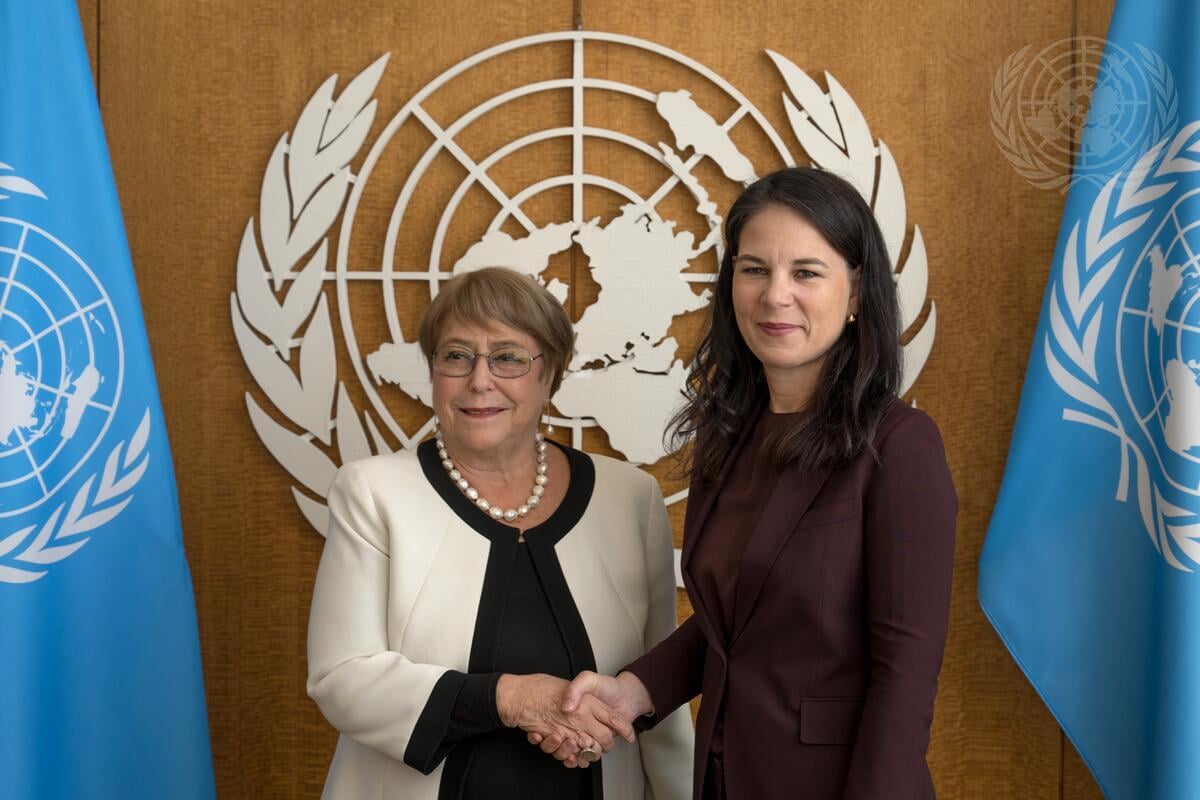
The Security Council is expected to begin informal straw polls by the end of July, with a formal recommendation to the General Assembly to follow. That timeline compresses the remaining weeks of candidate diplomacy into a period in which every public statement carries the weight of an audition. Lavrov’s remarks on Monday functioned as both a greeting and a test — a statement of what neutrality means to Moscow, delivered directly to the person trying to demonstrate she possesses it.
Russia’s frustration with Guterres has been a running theme throughout his tenure. Lavrov said last week that Guterres was “openly playing along with the West” on Ukraine, a charge that fits the broader pattern of Moscow accusing UN leadership of abandoning the Charter’s principles of sovereign equality and non-interference. The demand that the next secretary-general be “different this time” is Russia’s way of announcing that it will not rubber-stamp a successor who, in its view, continues that pattern.
What Russia has not said is which candidate, if any, meets its standard. That ambiguity is the leverage. As long as no candidate can be certain of Moscow’s support, the race remains open to anyone willing to make the trip to Smolenskaya Square and listen to the terms.
The next secretary-general will assume office on January 1, 2027, for a five-year term renewable once. Whether that person will be Bachelet, Grossi, Grynspan, or someone not yet formally declared remains, for now, entirely within the judgment of five countries whose interests on most other questions rarely converge.