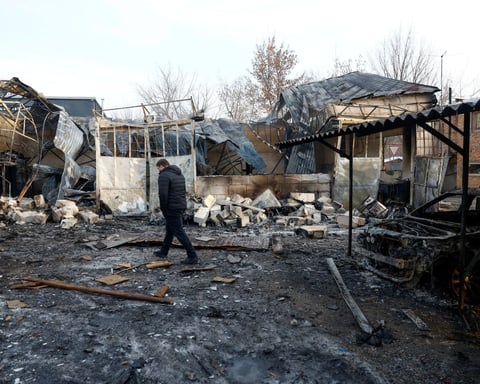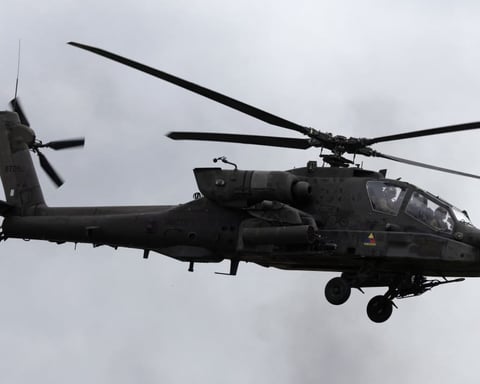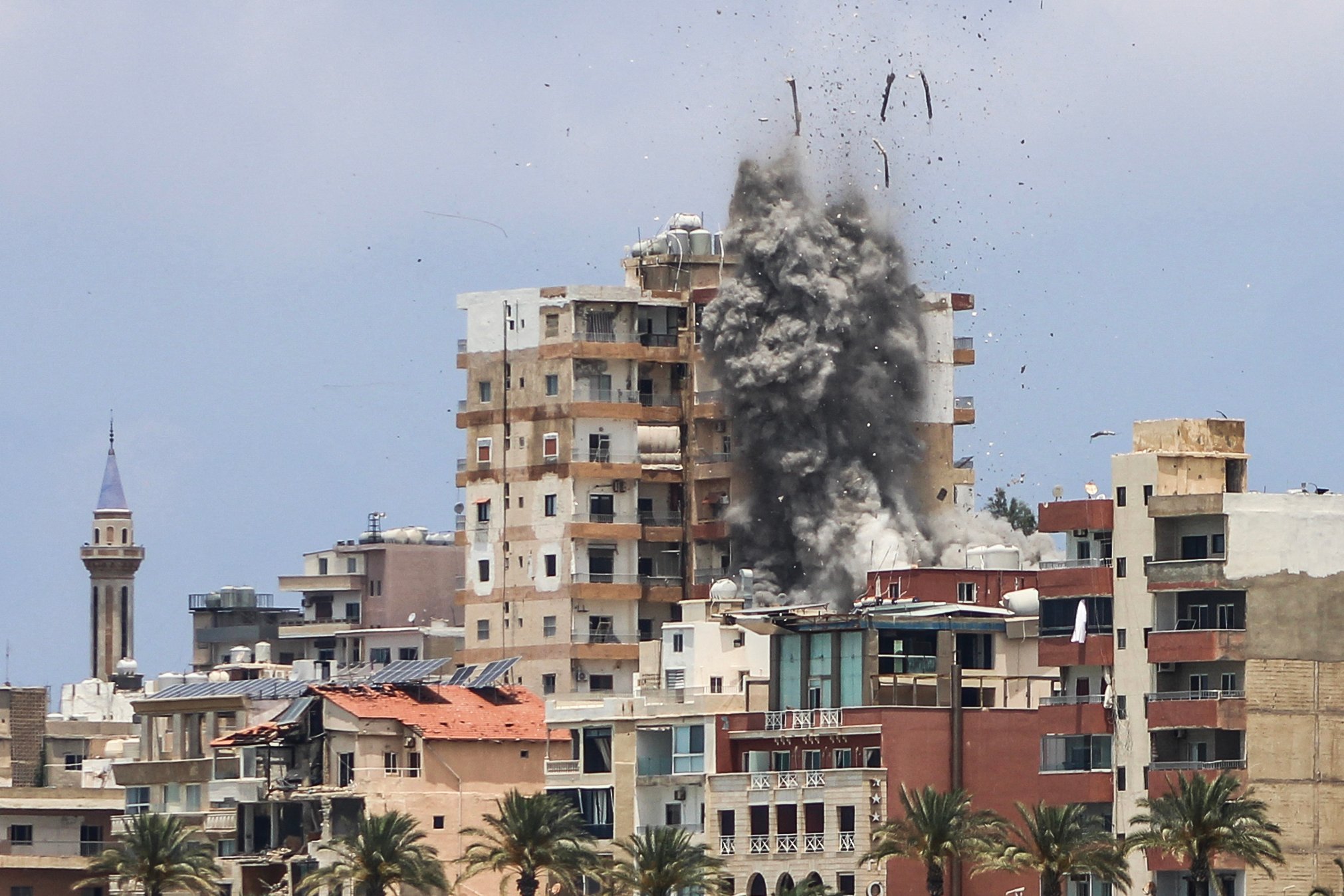

TYRE, Lebanon — The order to leave reached the church district this time. On Tuesday the Israeli military told the whole of this ancient coastal city to clear out, and for the first time the warning named the Christian quarter, where families driven from their homes by months of war had been sheltering in parish halls because they believed those streets, at least, would be spared. Within hours, a public housing block in Tyre was in ruins.
Lebanese state media put the death toll from that strike at nine, with 28 wounded, figures that Al Jazeera reported kept shifting through the afternoon as rescuers reached the lower floors. None of the numbers could be independently verified, and the people compiling them were the same local officials still pulling bodies from the concrete.
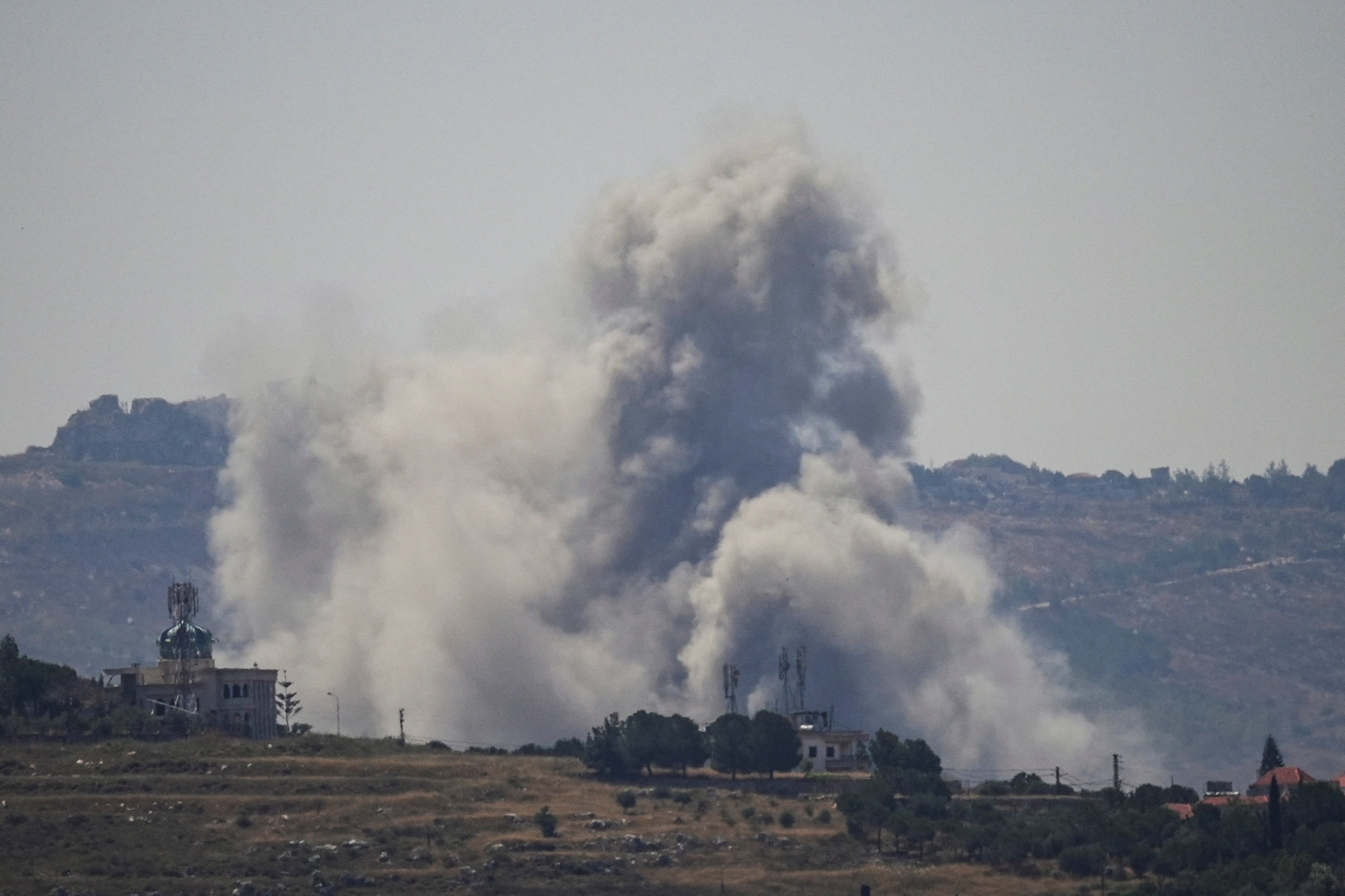
The dead were not only in Tyre. By evening Al Jazeera counted at least 14 killed across the south, with some tallies reaching 17, in Habboush, Adshit and Kfar Reman and on the road between Ansariyeh and Adloun, where two Syrian nationals died. What makes the day land differently is its timing. Israel and Iran had said only on Monday that they would stop firing at each other, and much of the world took that as the war ending. The bombs over southern Lebanon are the answer to whether the truce means what it seems to. It does not reach here.
Israel has not treated that as a contradiction. Defence Minister Israel Katz said his forces would go on fighting Hezbollah and would again strike Beirut’s southern suburbs in answer to any fire on northern Israel, holding the line exactly where it has sat since the spring. The campaign in Lebanon runs on its own logic and its own front, and a ceasefire announced in Tehran does nothing to interrupt it.
Netanyahu put it to Washington in the language of entitlement, telling President Donald Trump that Israel had a full right to self-defence and was exercising it as required. Trump, who has spent the week casting himself as the broker of a regional peace, answered with a threat he has made before and never carried out, warning the Israeli leader that he could find himself on his own very soon. The planes over Tyre did not change course.
The president keeps saying a deal is close. He described himself on Tuesday as in the final throes of what would be a very, very good agreement, one that might be signed in two or three days, a timeline he has floated and let lapse more than once. The gap between what Trump announces from Washington and what the Israeli air force does over Lebanon is, for now, the entire story. He talks of signatures. The south buries its dead.
The evacuation order is the part that will be argued over longest. Telling an entire city to move within hours and then bombing the ground it was ordered to abandon sits badly with the laws of war, and United Nations officials have openly questioned the legality of the blanket displacement orders Israel has issued across the south. Naming the Christian quarter crossed a line Tyre had treated as fixed. Church leaders there called for swift international action, the plea of people who have run out of safer rooms to send anyone to.
For months the war has pushed Lebanese families from the border villages toward the coast, and Tyre, a city older than most of the states now arguing over it, became one of the places they ran to. Its Christian neighbourhoods had taken in families displaced from further south, on the unspoken understanding that a quarter of churches and Roman ruins carried a kind of protection. Tuesday’s order erased that assumption in a sentence. The people who had moved once were told to move again, and the building that was hit was the sort that holds those with nowhere better to be.
A ceasefire has formally been in place since April. It has not stopped the strikes, which is why even the diplomats managing it describe what is left as a renewed opportunity rather than a peace. Hezbollah has kept up its own operations against Israeli forces, and Israeli commanders point to that as the reason the south cannot be left in quiet. Each side reads the other’s fire as the proof it needs.
What no one in Tyre could say on Tuesday was whether the order to leave was the opening of a larger assault or one savage day inside a war that is supposed to be winding down. The Israeli military said it had struck Hezbollah. It did not explain why a residential block, in a quarter it had just emptied onto the roads, was the place to find them.
By nightfall the smoke had not lifted, and the families who left the parish halls were strung along the roads south and east with nowhere settled to go. The truce that was meant to quiet this coast belongs to another border and another enemy. Tyre is learning, again, that its safety was never written into anyone’s deal.