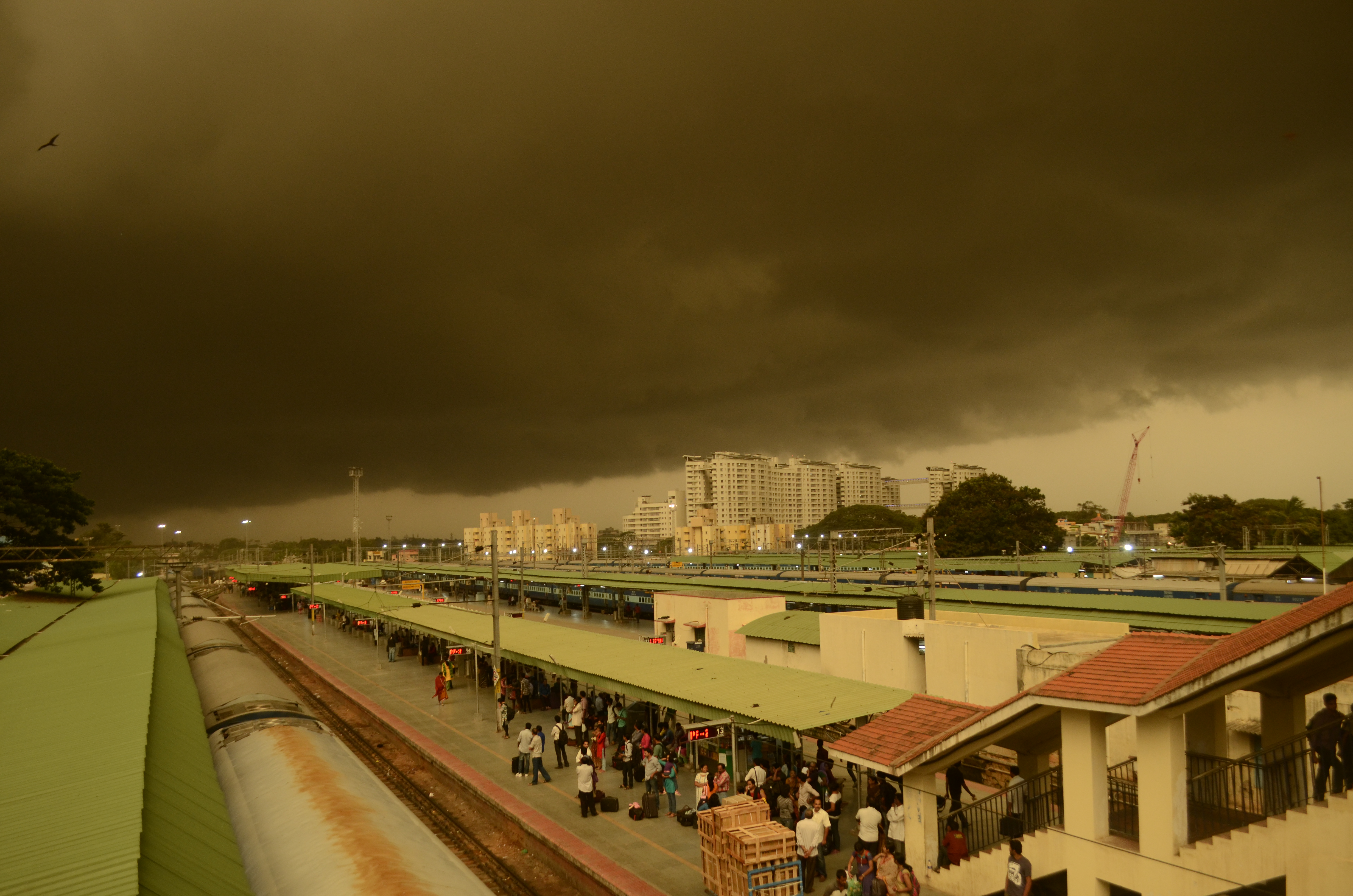

NEW DELHI — The instrument that measures wind at Palam sits beside the runways of Indira Gandhi International Airport, which is why the two facts of Tuesday night arrived as one. The gust meter touched 120 kilometers per hour as a wall of dust crossed the capital in the evening, a reading the station had not produced in roughly a quarter century, and the airport spent the rest of the night paying for it.
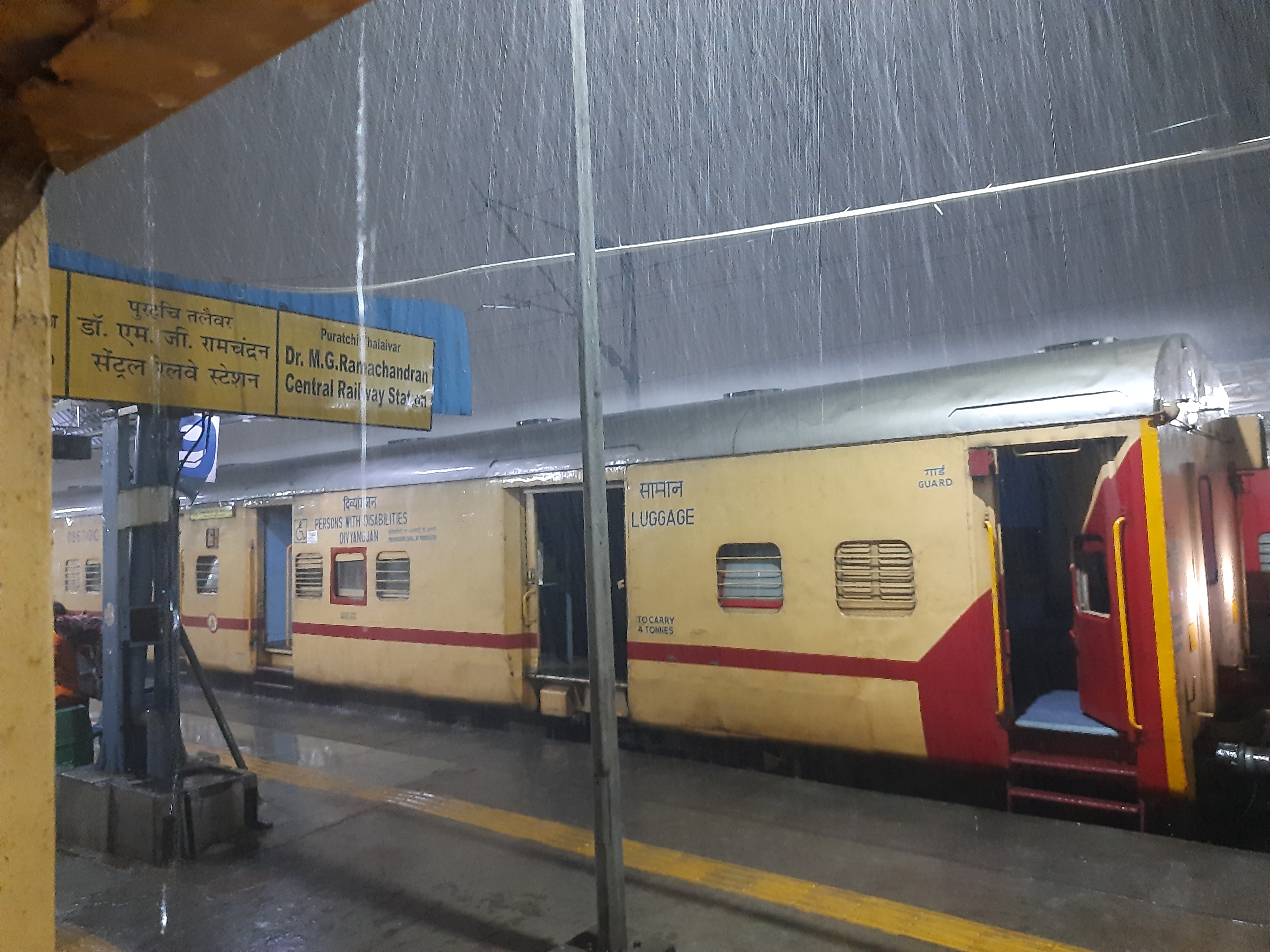
More than 400 flights were delayed at the airport as the storm and the rain behind it rolled through, the Times of India reported, and a red alert went up while the winds were still moving. What had been forecast as thunderstorm relief for a city four days into 44-degree heat arrived instead as the most violent weather Delhi has recorded this season.
The number is the story. India Today called Tuesday’s blow the strongest dust storm to sweep the city in 25 years, while CNBC TV18 framed the same reading as a match for Palam’s record after 24. The spread in those framings is the usual fog of a fresh record, and the IMD’s own station archives will settle it. Either way, the last time this airfield measured wind like that, the airport it serves handled a fraction of today’s traffic.
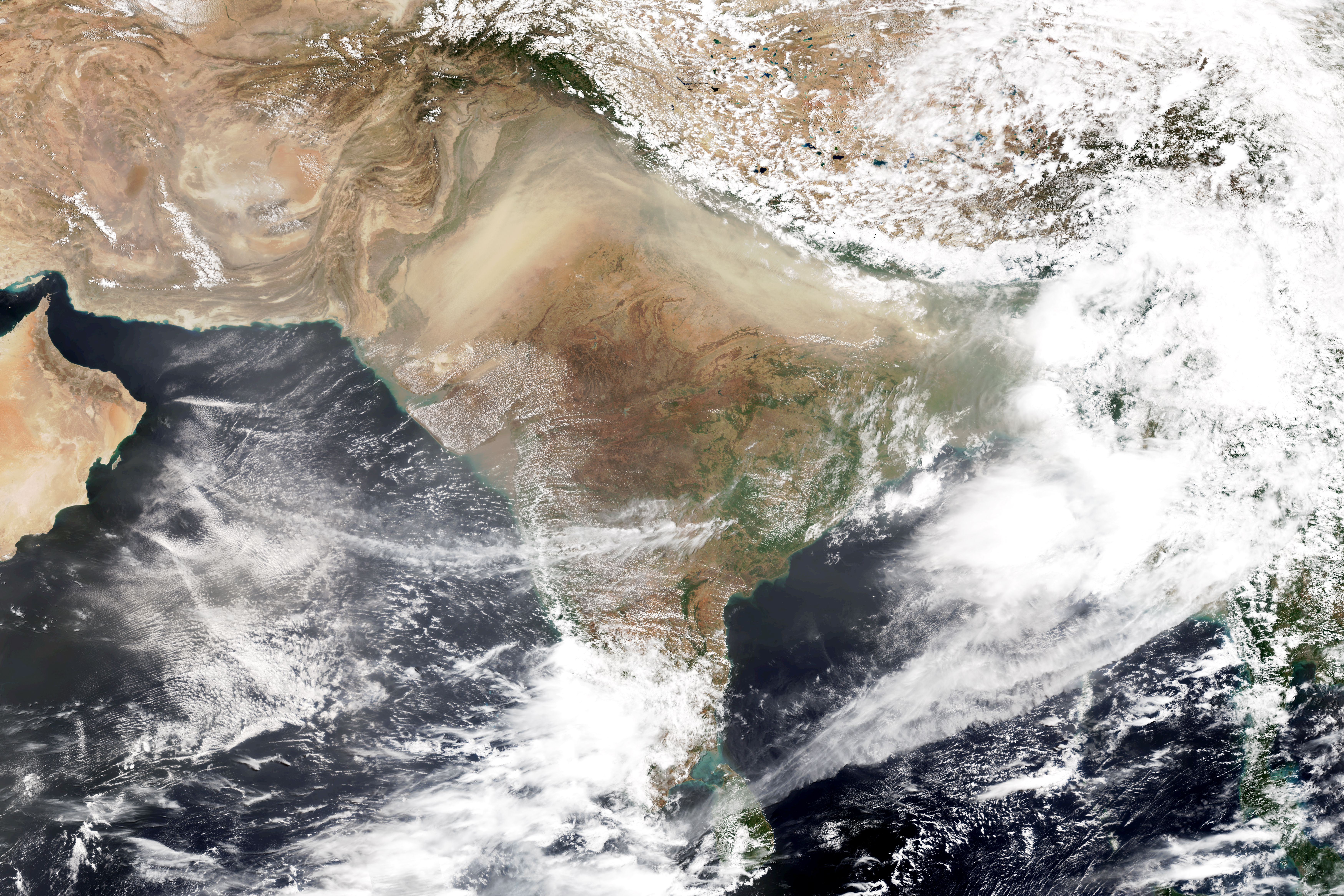
Heatwaves in north India tend to end violently, and Tuesday was the type specimen. The same overheated air that pushed the Ridge observatory to 44.7 degrees in the afternoon became the fuel for the evening’s convection, dust lifted off the dry plains to the west riding ahead of the rain. The sequence ran dust, wind, lightning, then water, and by morning the capital had been handed a different season.
The morning after read like an apology. The IMD’s Delhi centre logged 27 degrees at Safdarjung at daybreak with calm winds and 84 percent humidity, sixteen degrees below Tuesday’s peak. The cooling was uneven, with the station board stretching from 20.6 degrees at Loni to 37.8 at Ayanagar, but it was cooling, and the city took it.
The instability is not finished. The forecast holds partly cloudy skies and surface winds of 30 to 40 kilometers per hour for Wednesday, then thunderstorms with rain on Thursday under an orange alert, with daytime readings still capable of brushing 44 before settling below 40 as the week closes. The monsoon itself remains on its own schedule, expected in the capital between June 25 and June 30 per the IMD’s monsoon bulletin.
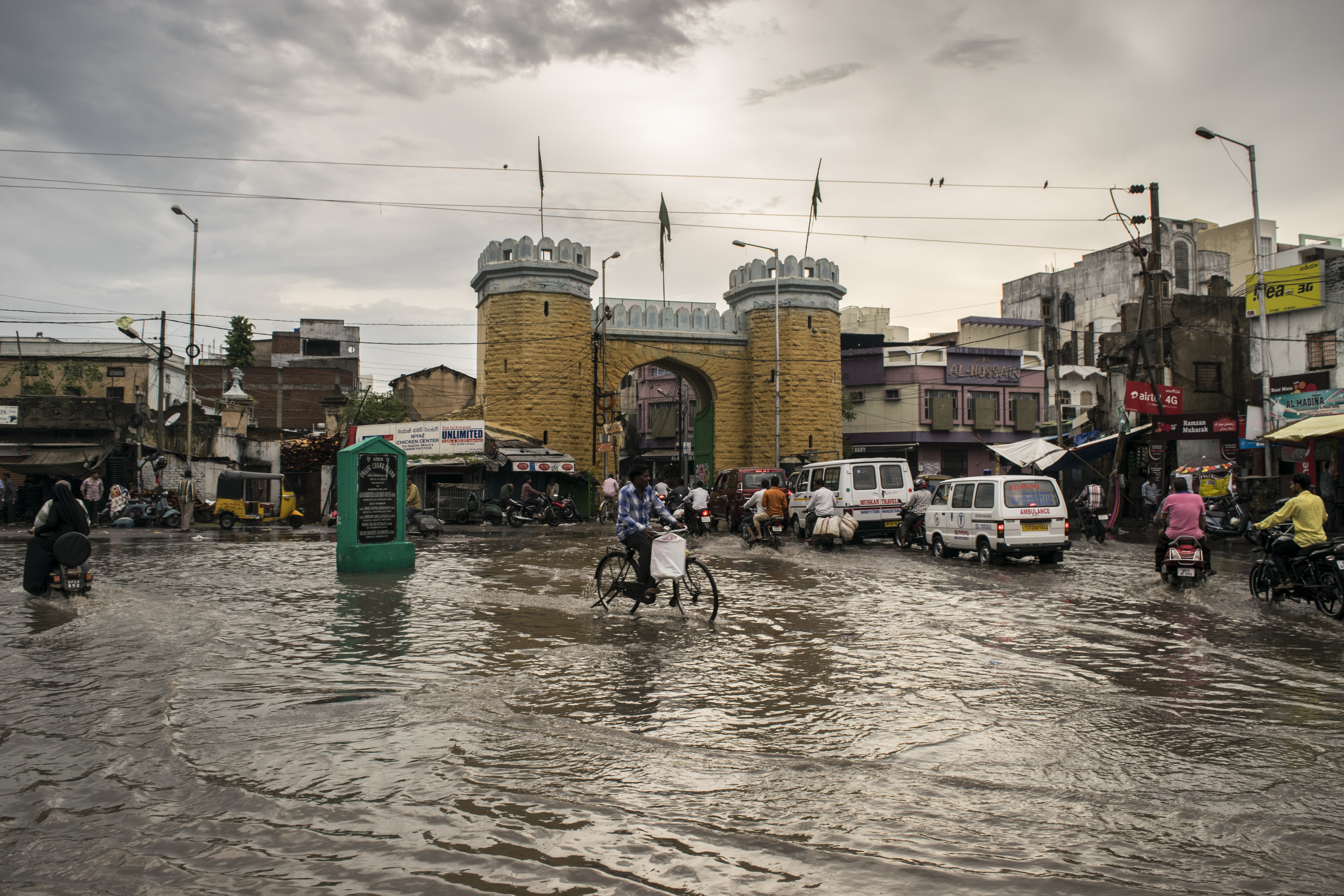
Delhi’s record gust slots into a week in which India’s weather has turned loud everywhere at once. The same pattern broke the capital’s heatwave while pushing the monsoon toward Mumbai, put Bengaluru under the IMD’s highest rain warning, and in Hyderabad turned a pre-monsoon downpour deadly, where two people were electrocuted under a snapped wire in Bandlaguda on Tuesday evening.
What the city does not yet have is the full bill. There is no official tally of fallen trees or power interruptions from Tuesday night, no formal IMD note yet certifying the Palam reading against its archive, and no way to know whether Thursday’s forecast thunderstorms arrive as ordinary pre-monsoon weather or as a second performance. The agency’s warning tier for Thursday says it is at least considering the second possibility.
At the airport, the boards worked through the backlog on Wednesday morning under a sky that had nothing left in it. The runways at Palam have seen six decades of June storms. Very few of them have left a number the instruments will remember.