
HONG KONG — The world’s largest PC maker lost roughly a tenth of its market value in a single session on Wednesday, and the reason fits in a slot the width of a finger: the chips that remember things have become too expensive to ignore.
Lenovo’s Hong Kong-listed shares slid nearly 10 percent after reports that the company is raising prices across its lineup to offset surging memory costs, Reuters reported. The selloff landed on a stock that had been one of the AI hardware trade’s quieter winners, and it landed fast, the kind of single-session repricing that happens when a known problem stops being deniable.
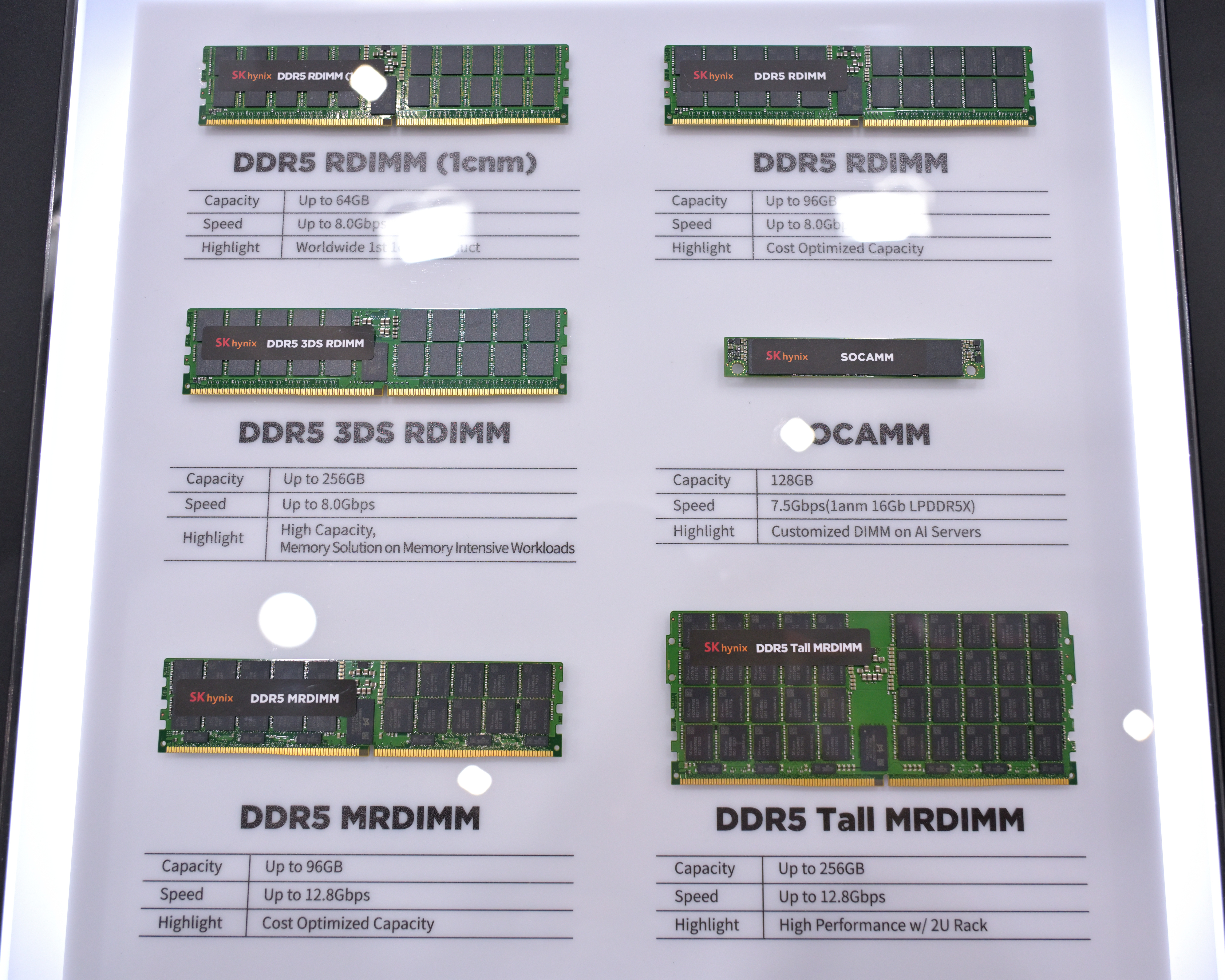
The problem has been building in plain sight. Memory prices have risen severalfold over the past year as AI data centers absorb the world’s supply of DRAM and storage, a squeeze Morgan Stanley analysts have taken to calling chipflation. TrendForce reported in December that Dell had already pushed through increases of 15 to 20 percent and that Lenovo’s would follow, and the research firm said in February that Lenovo had signaled March price rises on commercial devices. Wednesday’s reports extend that repricing across the lineup, and the market did the arithmetic on margins immediately.
What makes Lenovo’s case sting is that the company saw it coming. It spent last year stockpiling memory, by its own telling enough to cover a large share of 2026 production, and it is raising prices anyway. A buffer that size buys time, not immunity. When the replacement cost of every module keeps climbing, the inventory simply determines how politely the increase arrives.
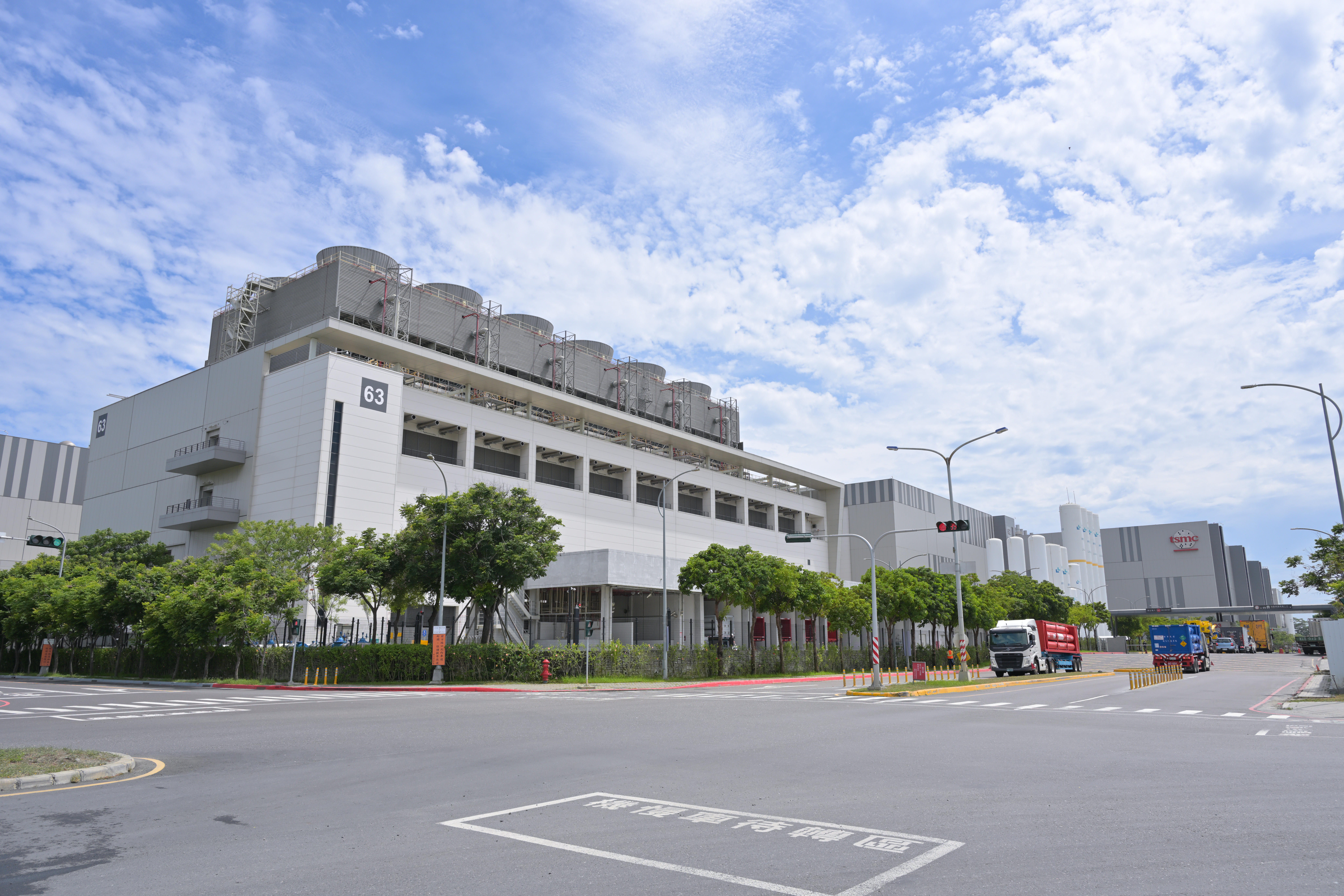
The squeeze is the same one running through every layer of the industry this week. TSMC’s finance chief said on Tuesday that inflation has raised costs and declined to rule out charging more for the world’s most advanced chips. Trade groups have already warned Washington that AI data centers are draining the memory supply chain hard enough to raise costs in cars and telecom gear. And Super Micro just asked shareholders for $7 billion to buy components at exactly these prices. Lenovo is simply where the chain reaches the consumer.
That is also why Wednesday’s move matters beyond one stock. A PC maker raising prices is the AI boom presenting its bill to people who never bought a GPU: students, offices, governments replacing laptop fleets. IDC has flagged the risk that the PC and smartphone markets contract toward the end of 2026 if component costs keep climbing, which would convert chipflation from a margin story into a volume story. Nobody knows where the demand destruction starts, which is precisely what a 10 percent single-day move prices.
The unknowns are the ones Lenovo declined to fill in. The company has not said publicly how large the new increases are, which models carry them, or how long its stockpile defers the full pass-through. Nor can anyone outside the memory makers say when supply catches up, since the same three companies that make the world’s DRAM are allocating it first to the AI buyers paying the most.
For two years the AI buildout’s costs were an abstraction that lived in hyperscaler capex lines. This week they showed up in the price of a laptop, and the market took a tenth off the company that said so out loud.