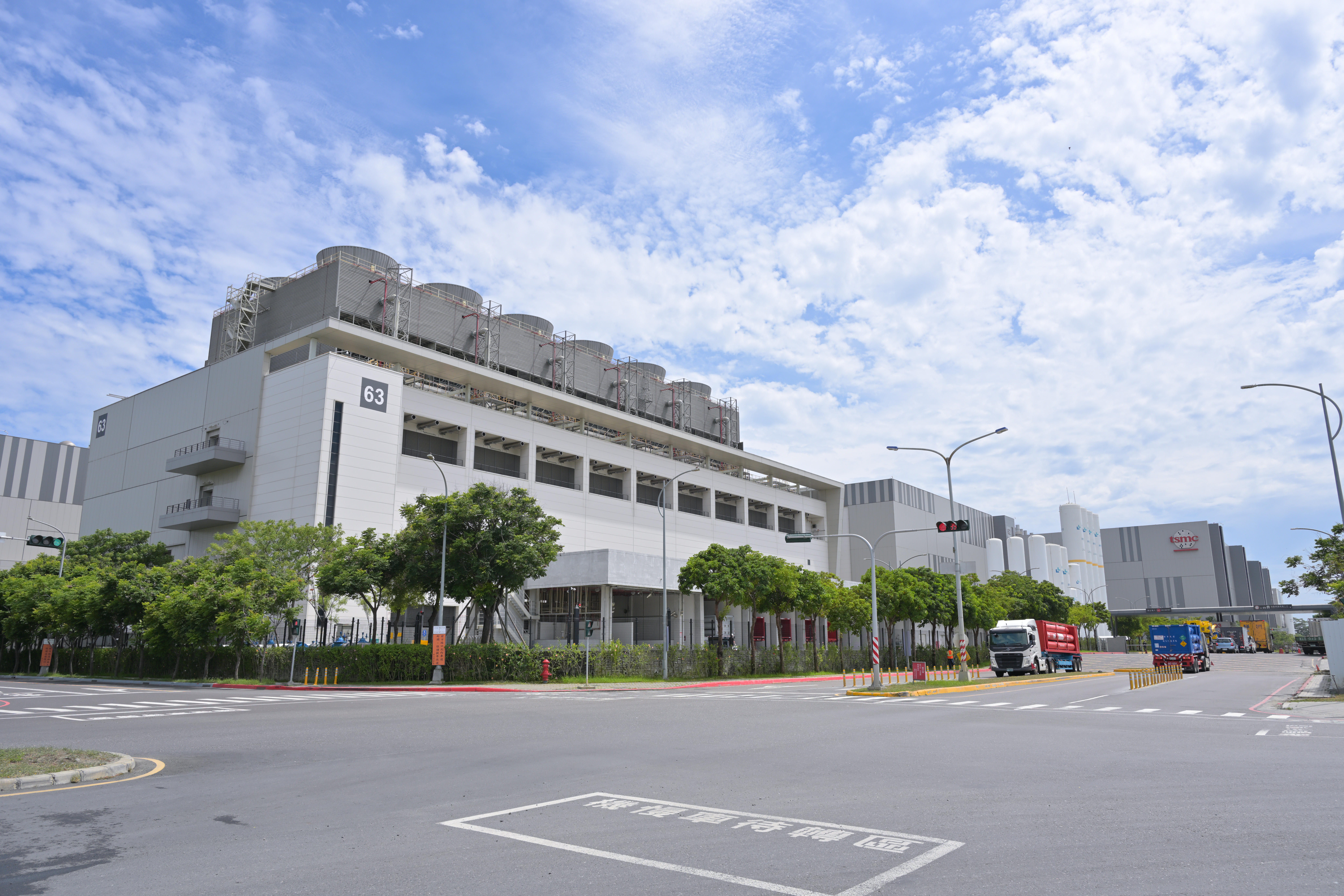

TAIPEI — The world’s most important chipmaker handed investors a near-perfect monthly report card on Wednesday, and the market that knows it best sold everything anyway. TSMC said revenue in May reached NT$416.98 billion, about $13.19 billion, up 30.1 percent from a year earlier, Reuters reported. Taiwan’s benchmark index closed the same session down 3.48 percent, one of its heaviest one-day falls of the year.
The number mattered because of the month that preceded it. April’s growth had slowed to 17.5 percent, the weakest pace in months, and Bloomberg noted at the time that even an extended AI buildout boom could not keep the curve from flattening. May answered the doubt: revenue rose 1.5 percent from April, the year-on-year pace snapped back to 30 percent, and sales for the first five months now stand at NT$1.96 trillion, also 30 percent ahead of last year.
That is the company the bulls describe: first-quarter profit up 58 percent to a record, as CNBC reported in April, order books filled by every company racing to build artificial intelligence infrastructure, and factories running at a pace its rivals cannot price against. Almost every advanced AI processor on earth, Nvidia’s included, passes through its fabs.
The selling describes something else. Asian markets fell across the board on Wednesday after Washington launched what it called self-defense strikes against Iran, a flare-up that reached equity screens from Seoul to Taipei within hours. Layered under the geopolitics is a fear running through the chip complex itself: memory prices are climbing, and the cost inflation is starting to land on the companies that buy chips rather than make them. Lenovo, as Eastern Herald reported, lost nearly a tenth of its value over memory costs it now concedes will reach PC prices.
TSMC sits on the comfortable side of that squeeze, for now. It is the company doing the squeezing: its chief financial officer said this week that inflation has raised costs and that price rises are not ruled out, comments that landed on customers already absorbing higher memory bills. A 30 percent growth rate gives a supplier that kind of leverage. The question the Taiwanese market voted on this week is how long the customers can keep paying it.
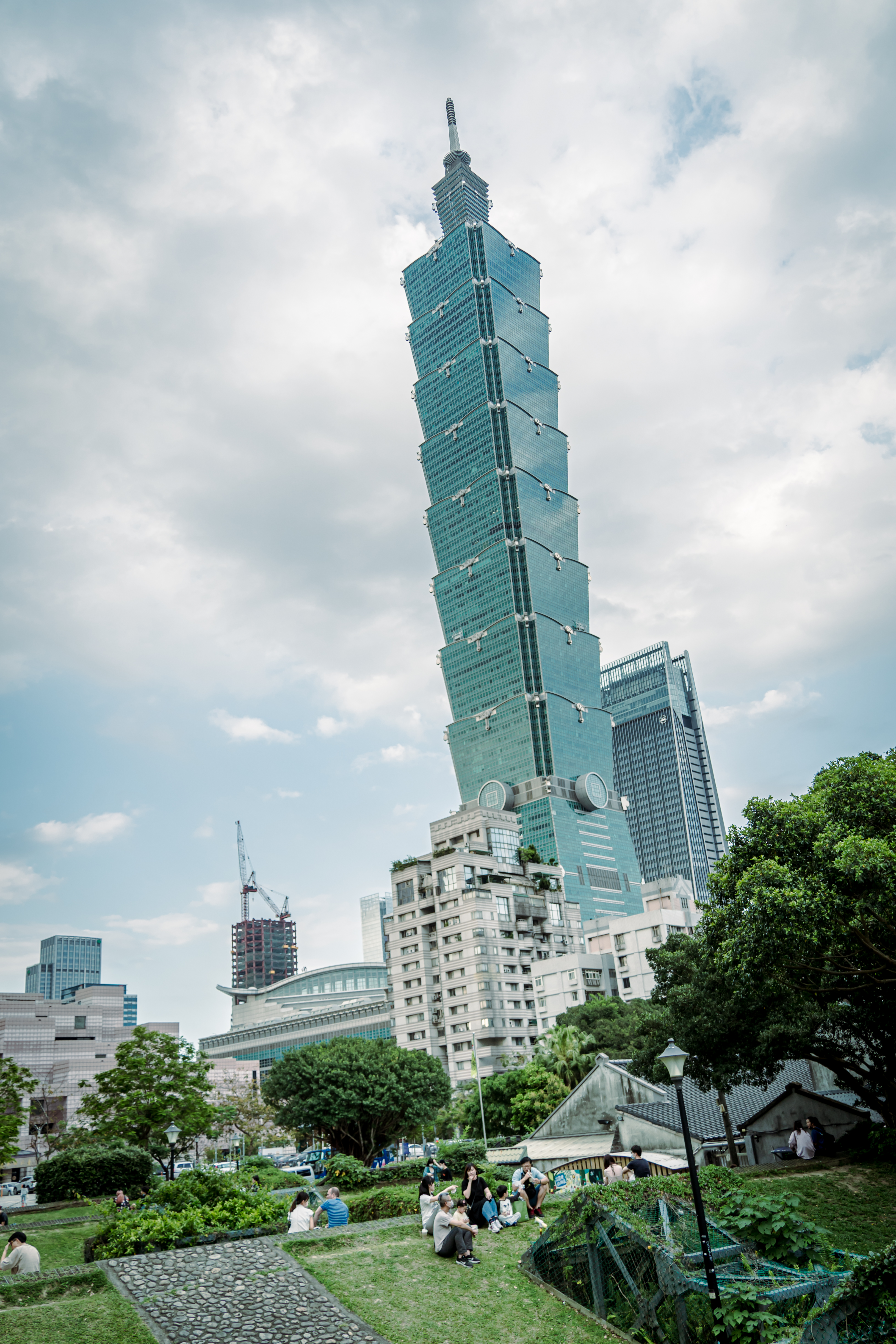
There is also the matter of what a single index day means in a market this concentrated. TSMC is the heaviest weight in the Taiwan index by a wide margin, so a 3.48 percent fall is, in large part, a verdict on TSMC itself, delivered hours before and after the company published its best monthly growth figure since the spring. Investors were not disputing the revenue; they were disputing what it is worth in a world where the United States and Iran are trading strikes, inflation is leaking into electronics, and the AI trade has already repriced once this month, in the rout that tripped Seoul’s circuit breaker.
The pattern is familiar from every late stage of a great trade: the fundamentals keep delivering while the price action turns nervous, and each data point becomes a referendum on whether the gap is conviction or complacency. TSMC’s May report says the AI buildout did not slow in the spring; it accelerated again. The Taiwan tape says the people closest to the supply chain are taking profits anyway.
Both can be right for a while. A company can compound at 30 percent while its shareholders brace for the quarter that breaks the streak, and a market can fall 3 percent on a Wednesday and recover by Friday. What Wednesday established is narrower and worth keeping: the strongest sales engine in the semiconductor industry no longer settles the argument on its own.