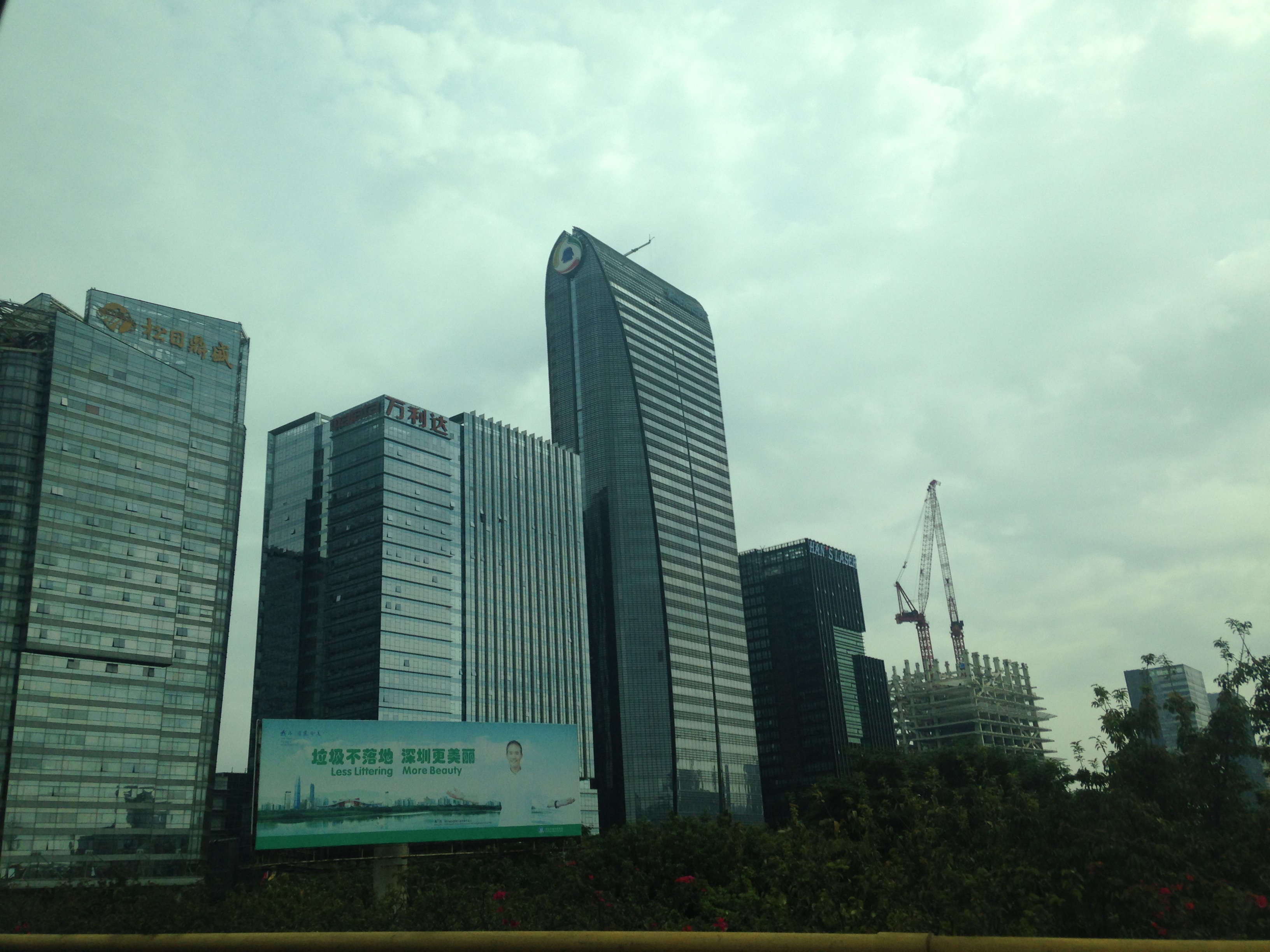

HONG KONG — China’s most valuable company went back to the international bond market this week for the first time in more than four years, and the market behaved as if it had been waiting by the phone. Tencent raised $4.66 billion across US dollar and offshore yuan notes, Reuters reported, after drawing more than $6 billion in investor orders, and its Hong Kong-listed shares rose 3.3 percent on Wednesday once the deal was done.
The structure tells its own story about where Chinese tech finance is heading. The offering paired 10- and 20-year US dollar notes with 10- and 30-year offshore yuan bonds, and demand split almost evenly: more than $3 billion of orders for the dollar paper and over 20.5 billion yuan, about $3 billion, for the yuan tranches, according to Bloomberg, which had tracked the deal as it grew from a $4 billion target to its final size. A 30-year yuan bond is a statement instrument: it asks investors to underwrite China’s currency, and a Shenzhen company’s creditworthiness, into the 2050s. They oversubscribed it.
The timing makes the appetite pointed. Tencent sits on the Pentagon’s newly expanded list of Chinese military companies, alongside Alibaba, BYD and Baidu, a designation Washington published barely two days before the order books opened. The list carries no sanctions, and this week it carried no price either: global asset managers looked at the label and lent Tencent multi-decade money anyway. Whatever the designation is meant to signal, fixed-income markets have decided it is not credit risk.
Why borrow now, after four quiet years? Tencent generates enormous free cash flow, which is precisely why its bankers found the deal easy to sell, but the AI buildout has changed the spending arithmetic for every large technology company, in China as in the United States. Tencent has been expanding data centers and computing capacity for its Hunyuan models and its cloud business while buying back its own shares, and cheap long-dated debt funds both without touching the cash machine. The borrowing is not distress; it is the balance-sheet version of ambition.
The same week supplied the comparison set. Super Micro announced $7 billion of equity and convertible financing because AI orders are outrunning its balance sheet, and SoftBank’s shares fell on reports that a $6 billion OpenAI-backed margin loan has hit hurdles. Everyone in the AI supply chain is reaching for capital at once; the difference is the terms. Tencent borrowed at investment-grade pricing with books oversubscribed inside a day, which is what it looks like when the market believes the spending will pay for itself.
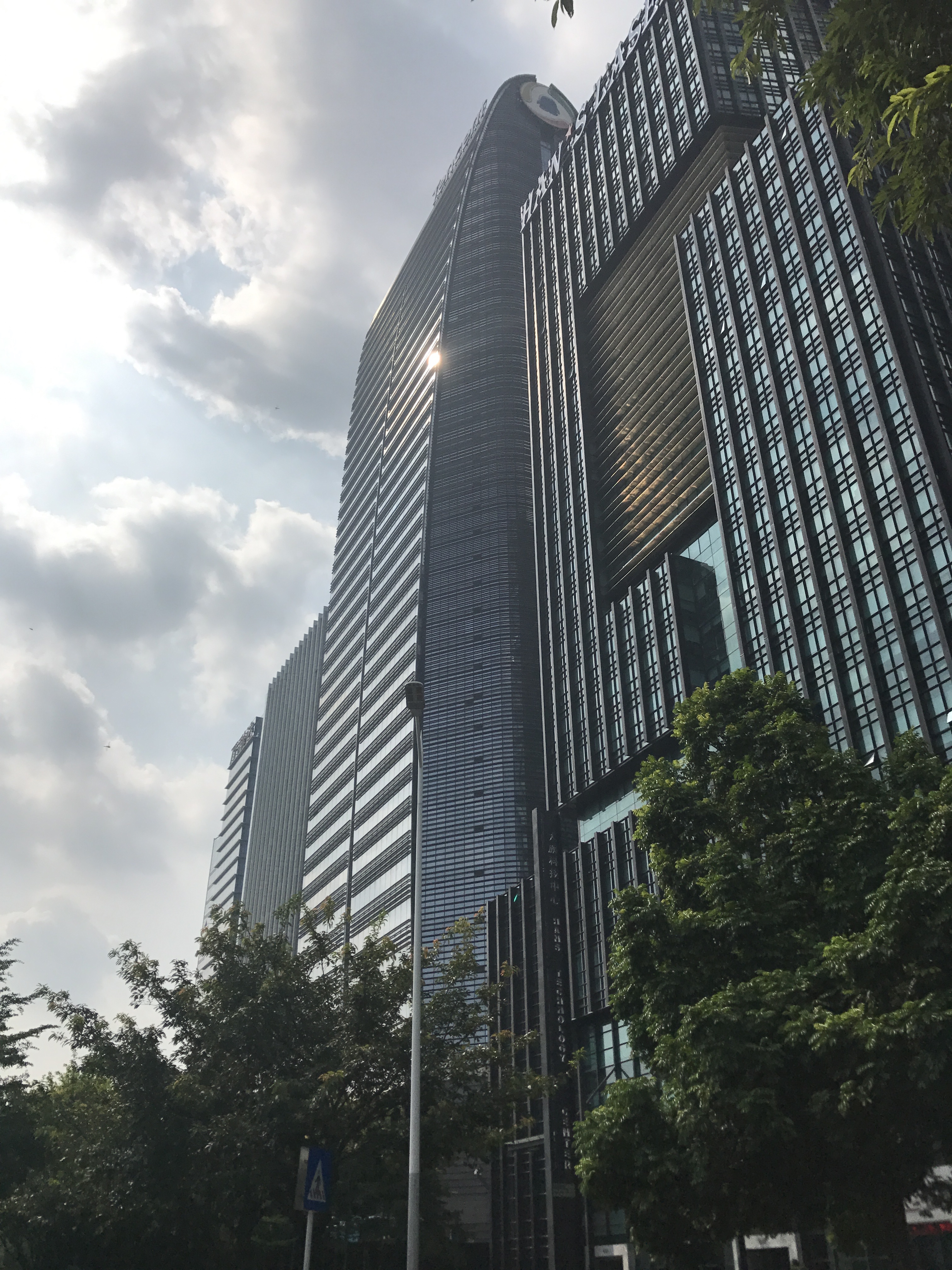
The four-year absence was never about access. Chinese tech issuers retreated from offshore markets after 2021 under the weight of Beijing’s platform crackdown, rising US rates and a property crisis that poisoned sentiment toward Chinese credit generally. The retreat ending at Tencent is symbolically tidy: the company whose fine over WeChat payments once marked the crackdown’s reach is now the issuer chosen to test whether global investors want Chinese tech duration again. The answer came back oversubscribed in two currencies.
None of this settles the larger argument between Washington and the capital markets. The United States can keep adding Chinese champions to designation lists, and asset managers in London, Singapore and, quietly, New York can keep buying their bonds, and both can continue indefinitely until policy forces a choice. What Wednesday demonstrated is which way the money leans when no one forces it. A 3.3 percent share rise on a borrowing announcement is rare; it happens when investors read the debt not as need but as confidence.
Tencent leaves the week with $4.66 billion of long money, a reopened market other Chinese issuers will now test, and proof that four years of geopolitics changed the paperwork more than the appetite. The next Chinese tech bond will not wait four years.